
Europe Eyes Flexible Storage Goals After Cold Snap Squeeze

Europe’s natural gas prices have declined in recent weeks after hitting a two-year high in February, easing concerns about the price Europe will have to pay this summer to prepare for the next winter.

Dutch TTF Natural Gas Futures, the benchmark for Europe’s gas trading, hit a two-year high in the middle of February amid the first proper winter with prolonged periods of cold snaps since the 2022 energy crisis.

Prices have retreated since mid-February as the heating season and winter are coming to an end, and solar and wind power generation is picking up to regain some share of the European power generation mix, following prolonged periods of wind speed lulls and little sunshine in Europe during the winter.

The recent decline in natural gas prices in Europe could also offer some relief to power prices, which have remained high this winter on the back of the high natural gas price.

Europe’s energy-intensive industry, however, continues to suffer from the high energy prices and calls for additional measures to address the high energy costs, which put the European industry at a disadvantage.

The first proper winter in Europe, with prolonged periods of cold snaps since the 2022 energy crisis, depleted the EU stockpiles of natural gas.

As a result, European prices rallied by mid-February, and concerns emerged about the need for much more additional LNG supply to make its way to Europe to help with the storage refill before the next winter begins.

But prices have eased over the past few weeks, as talks began on a potential Russia-Ukraine ceasefire and as the winter in the northern hemisphere is coming to an end. The EU leaders are also discussing making the EU targets for gas storage refill by November 1 more flexible, which could ease some of the concerns about the pace of refills from April onwards.

A group of EU member states, including the biggest economies Germany and France, are reportedly arguing that to avoid price spikes and market speculation, the bloc should allow more flexibility in its currently binding 90% full-storage target by November 1 each year.  

In the wake of the 2022 Russian invasion of Ukraine and the halt to Russian pipeline gas supply to most EU countries, the European Commission adopted a target for EU natural gas storage levels to be 90% full by November 1 of each year.

However, this rigid November 1 target has created problems for many market players. Policymakers in countries including Germany, Italy, and the Netherlands are concerned that the current high forward gas prices for the summer months would make it unprofitable for gas companies and marketers to store gas.

With EU storage depleted at the fastest pace in seven years after a cold winter, the summer refill season presents several challenges in availability, prices, and the money that Europe will have to spend on additional LNG.

At a meeting last week, some EU energy ministers “mentioned the need for flexibility as regards the proposed gas storage regulation, which is currently being discussed, as well as for a rigorous impact assessment of the rules,” the EU said.

Despite the possible easing of the refill targets, the gas market will remain tight in the coming months, Moutaz Altaghlibi, senior energy economist at ABN AMRO Bank, said last week.

Geopolitics, including U.S. tariff and trade policy and the Russia-Ukraine peace talks, will continue to be the main driver of volatility, ABN AMRO reckons.

“At the same time, the market will be watchful of the speed of storage refill, while it remains responsive to factors affecting demand in Europe or key LNG competitors in Asia, such as adverse weather conditions, along with any supply disruptions from key suppliers such Norway or the US,” Altaghlibi noted.

The first proper winter in Europe, with prolonged periods of cold snaps since the 2022 energy crisis, depleted the EU stockpiles of natural gas.

As a result, European prices rallied by mid-February, and concerns emerged about the need for much more additional LNG supply to make its way to Europe to help with the storage refill before the next winter begins.

But prices have eased over the past few weeks, as talks began on a potential Russia-Ukraine ceasefire and as the winter in the northern hemisphere is coming to an end. The EU leaders are also discussing making the EU targets for gas storage refill by November 1 more flexible, which could ease some of the concerns about the pace of refills from April onwards.

A group of EU member states, including the biggest economies Germany and France, are reportedly arguing that to avoid price spikes and market speculation, the bloc should allow more flexibility in its currently binding 90% full-storage target by November 1 each year.  }

In the wake of the 2022 Russian invasion of Ukraine and the halt to Russian pipeline gas supply to most EU countries, the European Commission adopted a target for EU natural gas storage levels to be 90% full by November 1 of each year.

However, this rigid November 1 target has created problems for many market players. Policymakers in countries including Germany, Italy, and the Netherlands are concerned that the current high forward gas prices for the summer months would make it unprofitable for gas companies and marketers to store gas.

With EU storage depleted at the fastest pace in seven years after a cold winter, the summer refill season presents several challenges in availability, prices, and the money that Europe will have to spend on additional LNG.

At a meeting last week, some EU energy ministers “mentioned the need for flexibility as regards the proposed gas storage regulation, which is currently being discussed, as well as for a rigorous impact assessment of the rules,” the EU said.

Despite the possible easing of the refill targets, the gas market will remain tight in the coming months, Moutaz Altaghlibi, senior energy economist at ABN AMRO Bank, said last week.

By Tsvetana Paraskova – Mar 24, 2025.

Terminal operator demands lease extension

ISLAMABAD: Engro Vopak Terminal Limited (EVTL) has pressed the government to extend the lease of land for a liquefied petroleum gas (LPG) and liquid chemical terminal at Port Qasim to enable it to continue operations.

The government had allocated a piece of land to EVTL at Port Qasim in 1995 and its lease is going to expire in 2026. Now, EVTL is urging the government to extend the lease. However, the Ministry of Maritime Affairs has refused to extend the lease and plans to float a tender for a fresh lease.

EVTL claims it has spent $100 million and intends to continue investing in the project if the government extends the lease agreement.

Interestingly, the extension in lease is not part of the agreement; therefore the maritime affairs ministry is reluctant to endorse it.

Sources said that the Port Qasim Authority (PQA) could not extend the lease of land and it would have to float a tender under the Public Procurement Regulatory Authority (PPRA) rules.

Besides the LPG and liquid chemical terminal, a liquefied natural gas (LNG) pipeline also passes through this land that connects an LNG terminal owned by Engro with Sui Southern Gas Company’s network.

Sources said that the matter was taken up in a recent meeting of the Special Investment Facilitation Council (SIFC). The SIFC had set a deadline for the Petroleum Division to complete negotiations with EVTL.

The PQA informed the government about the initiation of another round of negotiations with EVTL by signing the second Supplemental Implementation Agreement on January 15, 2025.

It emphasised that a third-party business valuation of the terminal was necessary, which required additional time. The PQA was of the view that the deadline of January 31, 2025 could not be met due to the extensive due diligence required in the process.

It requested an extension in the deadline to assist in the independent valuation of assets. The government granted extension of another 30 days (until March 2) for finalising ongoing negotiations with EVTL through signing the third Supplemental Agreement. It decided that the Finance Division would facilitate the PQA by providing services for the independent evaluation of assets.

The EVTL terminal for bulk liquid chemicals and LPG is part of Vopak’s global network of 78 terminals across 23 countries with total capacity of 36.2 million cubic metres. A joint venture between Royal Vopak (the Netherlands) and Engro Corporation, it has provided storage and terminal services since 1997. Engro Vopak handles over 50% of Pakistan’s LPG marine imports and supports major chemical industries by delivering key products like phosphoric acid, paraxylene and ethylene. Its LPG storage capacity had been expanded to 6,700 MT in 2012, with total storage now at 82,400 cubic metres.


By: Zafar Bhutta / March 02, 2025

Joep

Joep has been working at Insights Global as a Product & Program Manager since November 2024.

In his role, he oversees digital product development by gathering customer and market insights and collaboration with the development team to deliver digital solutions that create value for our customers. Additionally, he manages the project initiatives to ensure they align with Insights Global’s strategic goals.

The maritime industry has always fascinated him, especially in combination with leveraging digitalization to challenge the status quo and ultimately create value.

Prior to joining Insights Global, he worked as a Product Owner within the maritime industry, driving software projects from concept to implementation.

He holds a Master’s degree in Strategic Management and a Bachelor’s degree in Industrial Engineering.

In his free time, Joep loves to travel, go for a run, enjoy nature, and play a match of tennis.

S&P: Energy Cleantech Spending to Outpace Oil and Gas

A report from S&P Global Commodity Insights looks at clean energy technology trends for 2025.

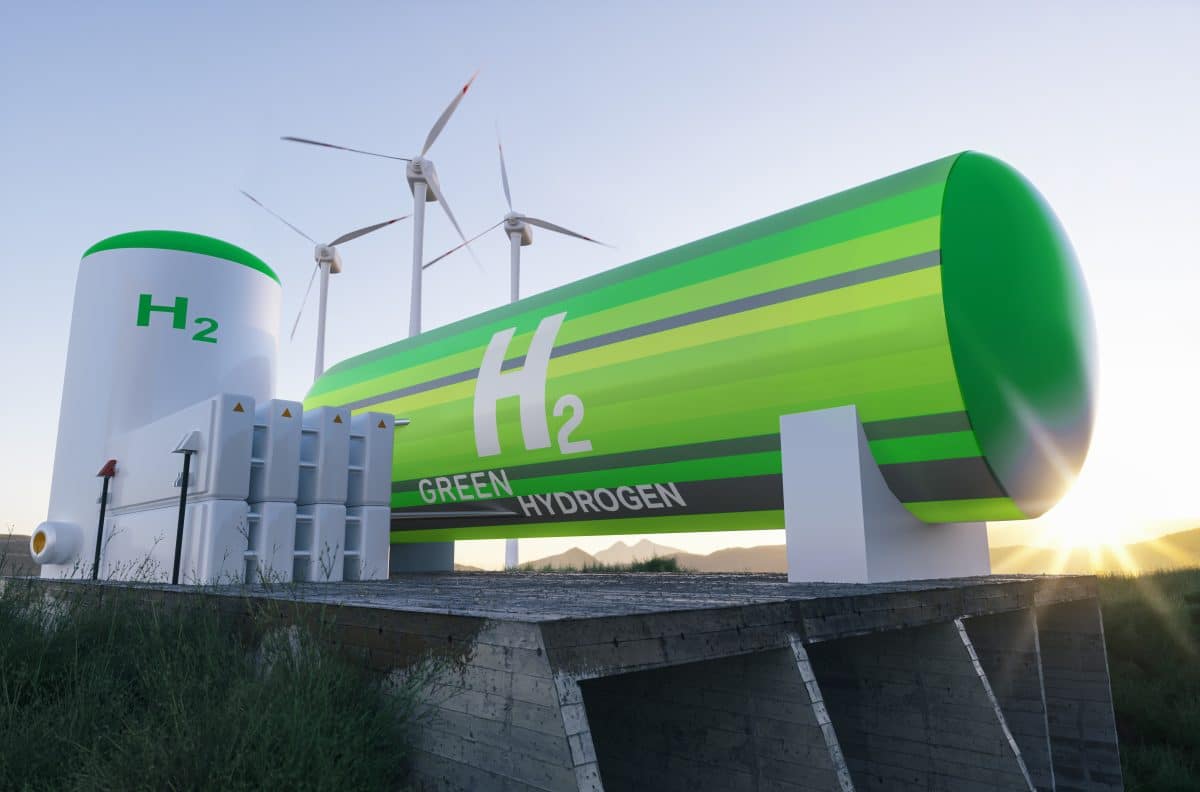
It predicts a transformative year for the cleantech sector with investments outpacing fossil fuels for the first time.

Edurne Zoco, Executive Director of Clean Energy Technology at S&P Global Commodity Insights, says: “S&P Global Commodity Insights forecasts that cleantech energy supply investments, including renewable power generation, green hydrogen production and carbon capture and storage (CCS), will reach US$670bn in 2025, marking the first time these investments will outpace projected upstream oil and gas spending.

“Solar PV is expected to represent half of all cleantech investments and two-thirds of installed megawatts.”

Supply chain tensions and rebalancing

The cleantech sector is experiencing a saturation of Chinese-manufactured equipment, affecting the global pricing structure within the solar, wind and battery domains.

Despite potential price stabilisation by 2025, Chinese competition is slated to maintain low market prices.

Nonetheless, a rebalancing act is anticipated, with projections suggesting a decline in China’s market share in PV module production to 65% and battery cell manufacturing to 61% by 2030.

This evolution presents both challenges and opportunities, demanding strategic foresight from supply chain professionals.

The importance of battery energy storage is becoming increasingly significant in enhancing the economics of projects within regions with substantial penetration of renewable energy.

Effective integration of battery storage solutions is essential for managing both viability and price volatility in renewable projects.

AI’s impact on clean energy supply chains

Clearly, AI is transforming the cleantech sector, particularly in forecasting and grid planning. 

Eduard Sala de Vedruna, Head of Research, Energy Transition, Sustainability & Services at S&P Global Commodity Insights, explains: “The new year is not only bringing to the clean energy sector significant transformations that are reshaping energy production and consumption, but it promises to be pivotal for the clean energy sector, with significant advancements in corporate clean energy procurement and the integration of AI in energy management.”

AI-powered applications are emerging as critical tools for risk mitigation in energy supply chains, addressing discrepancies between forecast and actual energy generation.

Data centres are also expected to play a more significant role.

Expected to source approximately 300 TWh of clean power annually by 2030, they are becoming pivotal in driving demand for renewable energy, especially in North America.

Decarbonisation and supply chain innovation

The pursuit of deep decarbonisation is requiring innovation across the supply chains.

With ammonia increasingly becoming fundamental to low-carbon hydrogen production and the CCS sector on track to secure significant CO₂ capture capacity by 2025, the cleantech sector is poised for considerable advancements.

For supply chain managers, staying abreast of these developments is crucial for navigating the complexities of the ongoing energy transition effectively.

By Jasmin Jessen, Energy Digital / February 17, 2025

LNG market faces supply strains

The IEA’s Q3 2024 report highlights supply constraints, Asian demand growth and rising freight rates reshaping global LNG trade and shipping dynamics

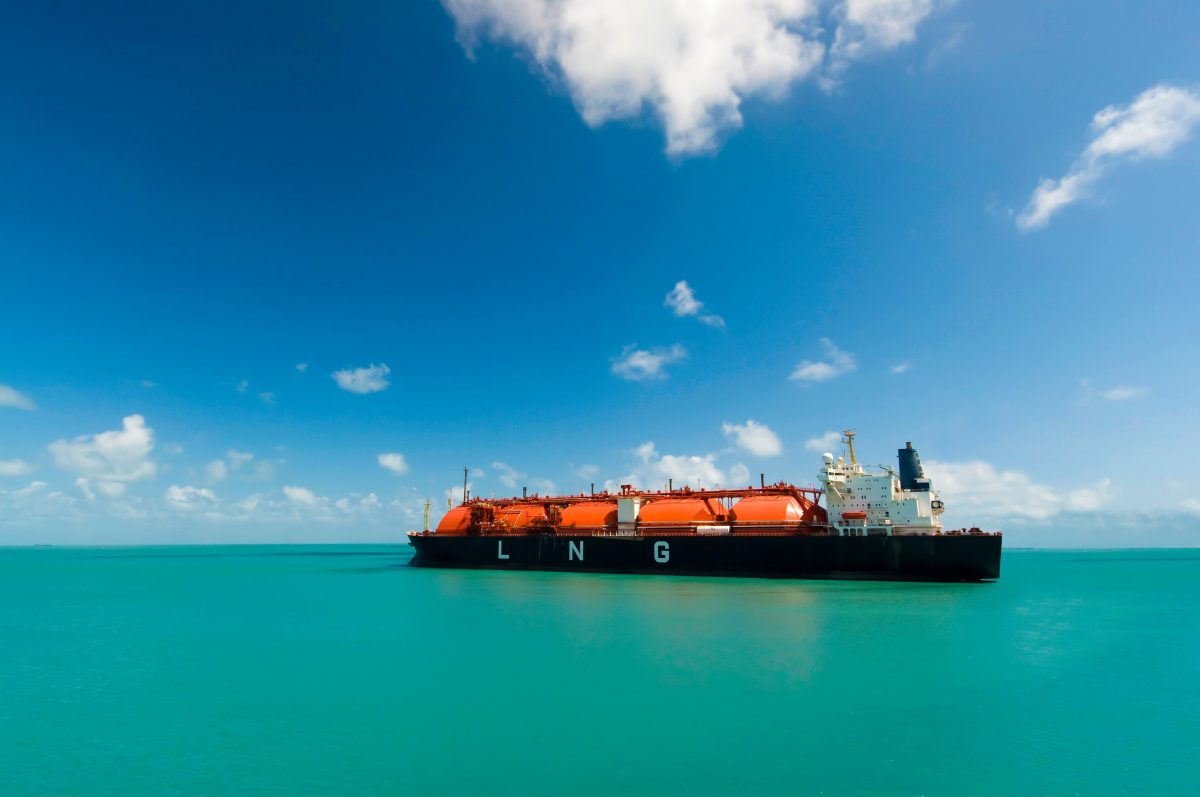
The latest IEA Gas Market Report for Q3 2024 presents a mixed picture of the global LNG market, characterised by supply constraints, volatile prices and growing demand centred around Asia.

The report outlines that LNG production underperformed in Q2 2024, while Asian demand surged, reshaping global LNG trade flows. These shifts, in turn, are having a profound impact on LNG shipping and freight rates.

In the first half of 2024, LNG supply growth slowed considerably, increasing by a mere 2% year-on-year. This marked the first contraction in LNG production since the global Covid-19 lockdowns in 2020.

According to the IEA, “LNG output fell by 0.5% in Q2 2024, driven by a combination of feed gas supply issues and unexpected outages.”

This shortfall was particularly evident in the United States, where production challenges at key liquefaction plants such as Freeport LNG hampered growth.

Similarly, African LNG supply contracted due to declining production in Egypt, where exports plummeted by 75% during the first half of the year.

Despite these supply challenges, the LNG market saw a surge in demand from Asia.

The IEA notes, “Asia accounted for around 60% of the increase in global gas demand in the first half of 2024,” with China and India leading the growth.

China’s LNG imports increased by 18%, setting the country on a trajectory to surpass its previous record for annual LNG imports. India followed closely, with a 31% rise in LNG imports, driven by lower spot prices.

These increases in demand have resulted in a reallocation of global LNG cargoes, redirecting flows away from Europe and towards Asian markets, leading to longer shipping routes and increased pressure on LNG freight rates.

The sharp rise in Asian demand comes at a time when European LNG imports have notably declined. Europe’s LNG intake fell by nearly 20% in the first half of 2024, a trend driven by lower demand, high storage levels, and an increase in piped gas deliveries.

As the report highlights, “The share of LNG in Europe’s total primary gas supply fell from 39% in H1 2023 to 33% in H1 2024.”

This reduction has been further exacerbated by geopolitical uncertainties surrounding Russian piped gas supplies, which continue to add volatility to the market. The redirection of LNG cargoes from Europe to Asia is shifting trade patterns and impacting shipping logistics, with carriers needing to optimise for longer voyages to meet the surging Asian demand.

Price volatility has also become a hallmark of the LNG market in 2024. While gas prices fell to precrisis levels during the first quarter of the year, they rebounded sharply in the second quarter due to tighter supply-demand fundamentals.

“Natural gas prices increased across all key markets in Q2 2024,” according to the IEA report.

This resurgence in prices has impacted LNG freight rates, with the demand for shipping services rising in tandem with increased Asian demand and extended shipping routes.

The need for more LNG carriers to meet these shifting market dynamics is likely to push up spot charter rates, adding further complexity to the global LNG shipping sector.

Looking ahead, LNG supply is expected to improve in the second half of 2024, with new liquefaction projects coming online in the United States and West Africa.

The IEA forecasts “Year-on-year growth in LNG supply is expected to accelerate during the second half of 2024.”

Notable capacity expansions include the Freeport LNG expansion and the start-up of the Tortue FLNG facility off the coast of West Africa. According to the latest IEA report, the LNG facility developments are anticipated to ease some of the supply pressures that have constrained the market and the anticipated rise in exports from new projects will be welcome news for LNG shipping companies.

The interplay between supply constraints and demand growth in Asia presents both opportunities and challenges for LNG shipping. While new liquefaction capacity will help address some of the supply issues, the market remains tight, and freight rates are expected to remain elevated due to the longer voyages required to serve the booming Asian markets.

The IEA’s outlook underscores the need for flexibility within the LNG shipping sector, as carriers must adapt to evolving trade routes and fluctuating market conditions.

As the IEA notes, “The limited increase in global LNG supply will restrain growth in import markets,” particularly in Europe, which continues to see declining demand.

By Rivieramm , Craig Jallal / 07 Oct 2024.

Enbridge, Shell to build pipelines to service BP’s Kaskida oil hub

Canada’s Enbridge , opens new tab said on Thursday it would build and operate crude oil and natural gas pipelines in the U.S. Gulf of Mexico for the recently sanctioned Kaskida oil hub, operated by British oil major BP (BP.L), opens new tab.

Separately, Shell  announced the final investment decision for its Rome Pipeline, which would export the oil produced from the Kaskida project.

BP’s sixth operating hub, Kaskida, has oil production slated to start in 2029 and features a new floating production platform with a capacity to produce 80,000 barrels per day from six wells in the first phase.

The company’s U.S. Gulf of Mexico output averaged 300,000 barrels of oil and gas per day in 2023, with the company targeting 400,000 bpd by 2030.

Enbridge’s crude oil pipeline would be called the Canyon Oil Pipeline System, with a capacity of 200,000 bpd.

Its natural gas pipeline would be named Canyon Gathering System with a capacity of 125 million cubic feet per day and would connect subsea to Enbridge’s offshore existing Magnolia Gas Gathering Pipeline.

The pipelines are expected to be operational by 2029 and would cost $700 million, the Canadian firm said.

Shell’s Rome Pipeline, projected to begin operations in 2028, would increase access between the company’s Green Canyon Block 19 pipeline hub and the Fourchon Junction facility on the Louisiana Gulf Coast.

By Reuters / October 3, 2024

U.S. Refinery Activity Increases, Crude Oil Imports Decline in Latest EIA Report

The U.S. Energy Information Administration’s (EIA) latest Weekly Petroleum Status Report, released on February 28, 2024, shows positive signs for domestic refinery activity, but also highlights a decrease in crude oil imports.x

Key Findings:

Refinery Activity Up:

U.S. crude oil refinery inputs averaged 14.7 million barrels per day (mbpd) during the week ending February 23, 2024, an increase of 100,000 bpd from the previous week. Refineries operated at 81.5% of their capacity.

Crude Oil Imports Down:

Crude oil imports averaged 6.4 million bpd last week, a decrease of 269,000 bpd from the prior week. However, over the past four weeks, crude oil imports averaged 6.6 million bpd, slightly exceeding the same period last year.

Gasoline Production Up:

Production of both gasoline and distillate fuel increased last week, averaging 9.4 million bpd and 4.3 million bpd, respectively.

Inventories:

U.S. commercial crude oil inventories increased by 4.2 million barrels, but remain slightly below the five-year average for this time of year. Conversely, gasoline and distillate fuel inventories decreased and are currently below the five-year average.

Prices:

The price of West Texas Intermediate crude oil decreased by $2.05 per barrel compared to the previous week, while the national average retail price for gasoline and diesel fuel both declined slightly.

Overall, the EIA report indicates increased domestic refining activity alongside a decrease in crude oil imports. While gasoline and distillate fuel production rose, their inventories remain below the five-year average.

By: Barchart / Hedder , March 8, 2024

Konstantinos

Konstantinos (Dino) joined Insights Global in June 2025 as a Market Analyst. Fresh out of university, he started his career as a market analyst, covering the barge freight rate markets while also supporting various operational and consultancy activities within the company.

Dino holds a Master’s degree in Marketing Analytics and a Bachelor’s degree in International Business Administration from Tilburg University. Prior to joining Insights Global, he completed internships at Mars and Fluke, gaining experience in two very different industries.

Originally from Cyprus and fluent in three languages, Dino brings an international mindset, and a touch of island energy to the team. Outside of work, he enjoys playing football and working out to stay active and energized, while he also spending a lot of time in the kitchen cooking.