
ARA Freight Market: Mid-Week Surge Bookends a Week of Two Halves


The ARA barge freight market delivered a week of striking contrasts, opening softly before surging dramatically mid-week and then retreating just as sharply into the close. A powerful mid-week revival in middle distillates activity drove volumes to their highest level in months, pushing freight rates upward across that segment. Light ends, however, told a different story throughout, continuing the softening trend carried over from the previous week, with demand remaining subdued and rates drifting lower across most sessions. By Friday, the market had returned to near-silence as operators settled their books ahead of the weekend and the upcoming public holiday period.


1. Freight Rates: Diverging Paths Across the Week

The week’s rate movements were shaped by a clear divergence between product segments, with middle distillates recovering strongly mid-week while light ends continued to soften. The day-by-day picture was as follows:

  • 20 April: Both product categories moved lower to open the week, continuing the downward trend from the previous Friday.
  • 21 April: Middle distillates edged marginally lower again across most routes, with Ghent routes holding flat. Light ends were unchanged, with operators reporting their fleets covered for the coming days and no urgency to fix additional business.
  • 22 April: A notable reversal. Middle distillates moved upward across all routes as operators capitalised on strong demand to secure higher levels. Light ends presented a more mixed picture, cross-harbour rates rose sharply, while other main ARA routes moved lower, resulting in offsetting adjustments.
  • 23 April: Middle distillates recorded only minor adjustments following the previous day’s broad gains, with rates broadly consolidating. Light ends remained unchanged due to insufficient liquidity, as few deals in that segment were concluded.
  • 24 April: All rates held flat across both product categories, with insufficient deal flow to drive any directional move. Most deals were concluded on a PJK, which does not indicate any fluctuations.

Takeaway: Middle distillates drove the week’s rate narrative, recovering meaningfully mid-week before consolidating. Light ends remained on the back foot throughout, with the absence of sustained demand keeping any recovery firmly out of reach.


2. Spot Activity: Surge Then Retreat

Volumes followed a dramatic arc across the week, peaking sharply mid-week before collapsing into the close. The session-by-session pattern was as follows:

  • 20 April: Activity rebounded from the previous Friday’s low, with light ends driving the bulk of the recovery. Barges moved mostly friction-free to terminals, with no waiting time issues reported.
  • 21 April: Volume climbed further, with overall activity described as calm but improving. Some middle distillate operators reported difficulty keeping their entire fleet occupied, with a number turning to contract work to fill capacity.
  • 22 April: The standout session of the week, reaching the highest volume recorded this month and the highest in nearly a month. Middle distillates dominated, with operators securing deals to cover their barges through the remainder of the week. Fewer operational issues at terminals also supported the step-up in activity.
  • 23 April: Volume surged further still, reaching the highest daily total since December Freighters encountered few problems securing employment, and no empty barges were reported in the distillates segment. Light ends, by contrast, remained largely absent from the day’s activity.
  • 24 April: Activity collapsed to the lowest daily volume of the month. Most operators had, already covered their requirements for the weekend and early the following week, leaving little appetite for additional spot fixing.

Takeaway: The mid-week and Thursday surge reflected operators front-loading their requirements ahead of the upcoming public holidays. The sharp Friday drop-off confirmed that once coverage was secured, spot demand evaporated quickly.


3. Product Dynamics: Distillates Lead, Light Ends Lag

Middle distillates

  • Opened the week on the back foot, with some operators reporting empty vessels, a sign of demand weakness not yet seen on the light ends side at that point.
  • Recovered strongly from Wednesday onwards, as charterers moved to cover requirements ahead of the upcoming Dutch public holidays, generating a concentrated burst of ULSD, gasoil, FAME, and HVO activity.
  • By Thursday, demand was strong enough for operators to secure employment for their fleets without difficulty, and no empty barges were reported in the segment.
  • Rates followed the activity trend, softening early in the week before recovering Wednesday, consolidating Thursday, and holding flat on Friday.

Light ends

  • Continued the softening trend carried over from the previous week, with demand described as generally lacking throughout.
  • Monday saw further rate declines extending the prior week’s downward move. Tuesday offered a brief pause with rates unchanged, before a mixed picture on Wednesday, cross-harbor rates rising while other routes dipped.
  • Thursday and Friday saw rates hold flat due to insufficient liquidity, masking the continued absence of meaningful spot demand in the segment.
  • Unlike middle distillates, light ends showed no evidence of pre-holiday front-loading activity.

Takeaway: The contrasting trajectories of the two segments reflect different underlying demand dynamics. Middle distillates benefited from a concentrated pre-holiday fixing rush, while light ends remained structurally subdued with no comparable catalyst to drive recovery.


Conclusion

The ARA barge freight market during 20–24 April was defined by a powerful but short-lived mid-week revival, driven almost entirely by middle distillates as charterers rushed to cover requirements ahead of the upcoming public holidays. Light ends remained largely sidelined throughout the period, with rates continuing to drift lower or hold flat in the absence of sustained demand. Friday’s sharp retreat to the month’s lowest volume level confirmed that the pre-holiday surge had largely exhausted near-term spot appetite. With Kings Day, Labor Day, and Liberation Day all falling within the next two weeks, market participation is set to reduce materially, and any meaningful rate direction is unlikely to emerge until normal trading conditions resume.

What’s next?

Are you ready to face your challenges head-on?

We now offer a FREE customized trial to our BargeINSIGHTS tool, an all-in-one platform for liquid bulk barge transport optimization.

With BargeINSIGHTS, you get instant insights into barge freight rates, bunker gas oil prices, water levels, vessel tracking, and barge availability—all in one place. No more time-consuming data collection; everything you need is at your fingertips.

Click here to schedule your demo and get access to BargeINSIGHTS for free!
Rhine Freight Market: Falling Water Levels Jolt Rates Mid-Week Before Market Settles


The Rhine barge freight market experienced a week of two distinct halves, bookended by near total inactivity at the start and close, but interrupted by a meaningful mid-week rate adjustment driven by rapidly falling water levels. Spot demand remained structurally suppressed throughout, with backwardation and competitive inland refinery pricing continuing to deter charterers from committing to additional barge imports. The decisive shift came on Wednesday, when the prospect of significantly reduced vessel intakes on the Upper Rhine prompted freighters to negotiate, and successfully secure, higher rates for most destinations. By the end of the week, the market had settled at its new, higher levels, with rates holding firm ahead of the upcoming public holiday period.


1. Freight Rates: Stable, Then Up, Then Stable Again

Rates were broadly unchanged for the first half of the week before a sharp upward revision on Wednesday, which then held through to the close. The day-by-day picture was as follows:

  • 20 April: All rates unchanged across all destinations. No deals or offers were registered, providing no impetus for any price movement in either direction.
  • 21 April: Rates again held flat, with only a marginal currency-driven adjustment to the Basel euro equivalent. A small number of deals were registered but not enough to drive any directional change.
  • 22 April: A decisive session. Activity picked up meaningfully, with freighters using the prospect of falling water levels to negotiate higher rates, largely successfully. Rates rose across most destinations, with Upper Rhine routes seeing the most significant upward adjustments.
  • 23 April: Rates largely consolidated at their new, higher levels. Frankfurt edged up marginally further, while most other destinations held flat.
  • 24 April: All rates held stable into the weekend close. Prices did not deviate from the previous session’s levels, with too few deals registered to move the market in either direction.

Takeaway: The week’s rate movement was entirely driven by the water level outlook rather than any improvement in underlying demand. Once the new levels were established on Wednesday, the market held firm, a sign that freighters retained pricing discipline even as spot activity remained thin.


2. Spot Activity: Bookended by Silence

Spot volumes were extremely low throughout the week, with the mid-week uptick driven by necessity rather than genuine demand recovery. The session-by-session picture was as follows:

  • 20 April: The quietest possible start, no deals or offers recorded at all. Freighters used the day to address scheduling disruptions carried over from the previous weekend. Terminal delays were reported at ARA terminals and at Gelsenkirchen.
  • 21 April: Barely any improvement, with only a handful of deals registered. Charterers continued to report no urgent need to commit to additional spot barges, citing adequate inland stock levels.
  • 22 April: The busiest session of the week, with a meaningful increase in deals concluded. Activity was driven by freighters rushing to fix cargoes ahead of anticipated intake restrictions, rather than by an organic uptick in import demand.
  • 23 April: Activity cooled again, with only a small number of deals registered. Operators reported limited inquiries and continued to rely on contract work to keep their fleets occupied. Terminal delays at Evos Amsterdam East and Chane Terminal Botlek added further operational friction.
  • 24 April: Spot business decreased further as most charterers had already covered their requirements for the coming days. Freighters similarly reported their fleets largely booked, leaving few barges available for prompt loading.

Takeaway: The mid-week activity uptick reflected defensive fixing ahead of intake constraints rather than genuine demand. The broader picture across the week was one of a market where spot business remains the exception rather than the rule.


3. Structural Drivers: Backwardation and Competing Supply Sources

Two persistent structural factors continued to suppress spot demand throughout the week, independently of the water level developments:

  • Despite sharp falls in Brent and gasoil prices the previous Friday, the gasoil market remained in backwardation, making stockbuilding unprofitable. Charterers therefore continued to limit barge imports to operational necessities only, with no financial incentive to move additional volumes.
  • Deals from German inland refineries, such as Karlsruhe, to inland depots were again reported during the week, highlighting that ARA-origin imports face meaningful competition from domestically sourced product.
  • Despite weak spot demand, the overall fleet utilization picture improved compared to the previous week. Fewer empty barges were reported, partly because falling water levels mean more vessels are needed to transport equivalent volumes, providing a degree of natural demand support even in a low-activity environment.

Takeaway: Until backwardation eases or the pricing advantage of inland refineries narrows, the structural ceiling on ARA barge spot demand is unlikely to lift materially.


4. Water Levels: The Week’s Dominant Theme

Falling water levels were the defining operational story of the week, shifting from a background concern to the primary driver of rate negotiations by Wednesday. The key developments were:

  • Maxau: Began the week at elevated but declining levels, with forecasts pointing to a continued drop through the weekend and into the following week. The anticipated level would meaningfully constrain vessel intakes for Upper Rhine and Swiss destinations.
  • Kaub: Also declining throughout the week, with forecasts suggesting a further drop to levels that would restrict intake capacity for vessels heading to upstream destinations. At such levels, reduced loading volumes become a near-certainty.
  • Lower Rhine: Measuring points such as Ruhrort remained at relatively higher levels throughout the week, meaning destinations including Duisburg and Dortmund remained largely unaffected by intake restrictions, a key reason why rate increases on Wednesday were concentrated on Upper Rhine routes.

Takeaway: The declining water level environment is a double-edged sword. It is supporting fleet utilisation and giving freighters pricing leverage on Upper Rhine routes, but it also introduces operational complexity and uncertainty around intake planning that will carry into the weeks ahead.


Conclusion

The Rhine barge freight market during 20–24 April was shaped by the intersection of persistent structural demand weakness and a sudden, water level-driven rate correction mid-week. Spot activity remained negligible for most of the period, with backwardation and competitive inland supply sources continuing to deter charterers from committing to additional imports. The decisive development was Wednesday’s rate increase across most Upper Rhine destinations, driven by freighters successfully leveraging the prospect of significantly reduced vessel intakes. That adjustment held through the remainder of the week, leaving the market in a notably firmer position than where it started. With several Dutch public holidays approaching and water levels set to continue declining, the combination of reduced market participation and tightening intake capacity is likely to keep the tone cautiously firm, even in the absence of any meaningful recovery in underlying demand.

What’s next?

Are you ready to face your challenges head-on?

We now offer a FREE customized trial to our BargeINSIGHTS tool, an all-in-one platform for liquid bulk barge transport optimization.

With BargeINSIGHTS, you get instant insights into barge freight rates, bunker gas oil prices, water levels, vessel tracking, and barge availability—all in one place. No more time-consuming data collection; everything you need is at your fingertips.

Click here to schedule your demo and get access to BargeINSIGHTS for free!
ARA Freight Market: Light Ends Soften as Week Closes on Subdued Note


The ARA barge freight market started the week with mixed signals before settling into a clear downward trend by the close of the period. The main driver of softness was the light ends segment, where excess vessel availability steadily eroded freight rates over successive sessions. Middle distillates, by contrast, proved resilient throughout the week, supported by low liquidity conditions that kept published rates anchored. As the week progressed, both volumes and sentiment declined, with Friday emerging as the quietest session of the period amid a notably bearish macro backdrop.


1. Freight Rates: Mixed Start, Gradual Decline

  • 14 April: The week opened with a relatively active session. Renewables such as FAME and HVO dominated the day’s fixtures, with middle distillates featuring to a lesser extent. Pricing was mixed across the board, deals at both higher and lower levels were registered, resulting in only minor rate adjustments. The overall tone was cautiously balanced, with neither side of the market exerting clear dominance.
  • 15 April: Activity eased slightly in what proved to be a notable session for light ends: no fixtures were registered in that segment, the first such occurrence in two months. Some barges, particularly in the light ends category, were reported as becoming available or already lying empty. Middle distillate deals were concluded predominantly at lower levels compared to the previous day, leading to a broad downward adjustment in published rates across most routes. Light-end rates remained unchanged in the absence of any price-forming transactions.
  • 16 April: Volume declined for a second consecutive session. In a notable reversal from the previous day, light ends returned as the primary driver of activity, while middle distillates saw limited new business. Despite the recovery in light-end fixture counts, excess vessel availability persisted across the ARA, forcing some operators to offer lower freight levels to secure employment. Light-end rates recorded a notable decline, while middle distillate rates held fully stable.
  • 17 April: Friday was the quietest session of the week. Light ends again accounted for the majority of the activity, with empty barges still being reported in both product categories. Adding to the cautious mood, crude oil prices fell sharply during the session, declining to levels not seen since early March. As demand to move product within the ARA remained weak and vessels were available for prompt loading, deals continued to be concluded at lower levels for light ends. Middle distillate rates remained stable, reflecting insufficient liquidity to drive any directional move.

Takeaway: Middle distillate rates held broadly stable across all four sessions, anchored by low liquidity. Light-end rates, by contrast, softened progressively from Wednesday through Friday as vessel oversupply and weak demand compounded across consecutive sessions.


2. Spot Activity: Volumes Decline Throughout the Week

  • Daily traded volumes followed a clear downward trajectory across the week.
  • Activity was highest at the start of the period, driven by renewables and some middle distillate interest.
  • As the week progressed, the number of fixtures contracted with each passing session, reaching its lowest point on Friday ahead of the weekend.
  • The broad decline in volumes was consistent with weak charterer urgency and a market where barge supply clearly outpaced demand.

Takeaway: The progressive volume decline signals a market where cargo demand failed to keep pace with barge availability, creating sustained downward pressure on rates as the week advanced.


3. Product Dynamics: Light Ends Under Pressure, Distillates Resilient

Middle distillates

  • Led activity on Tuesday, with renewables such as FAME and HVO, as well as ULSD and gasoil, all featuring prominently in the day’s fixtures.
  • Remained present through mid-week but with declining activity levels, and fixtures were frequently concluded on a PJK or lump-sum basis.
  • Recorded stronger increases later in the week, narrowing the gap with light ends.
  • The low liquidity flag was applied across most Flushing and Ghent routes throughout the week, keeping published rates unchanged and limiting price discovery.
  • Rates ended the week at broadly the same levels at which they started, reflecting a market in which insufficient deal flow prevented any directional movement.

Light ends

  • Tuesday (14 April): Light ends held flat for the day, with all published rates unchanged.
  • Wednesday (15 April): A complete absence of light-end fixtures left rates static, masking the underlying weakness building from barges reporting as empty and seeking employment.
  • Thursday (16 April): Light ends returned to the market but at weaker levels. Operators were required to offer more competitive freight to secure business, resulting in a notable downward adjustment across most routes.
  • Friday (17 April): Further softening was recorded across light-end routes as the trend from Thursday continued, with deals again concluded at lower levels amid persistent overcapacity and weak demand.

Takeaway: Light ends accumulated excess barge capacity over successive sessions, while middle distillate liquidity remained too thin to facilitate meaningful price discovery in either direction.


4. Operational Context: Oversupply and Oil Price Headwinds

  • Barge availability remained elevated throughout the week in both product segments, with empty vessels reported across the ARA and on Flushing and Ghent routes from mid-week onwards.
  • Demand for prompt tonnage was described as weak by operators, with competition for limited cargoes intensifying as the week progressed.
  • By Friday, overcapacity had extended into the middle distillates segment, though too few fixtures were concluded to register a change in published rates.
  • Crude oil prices fell sharply on Friday, reaching their lowest level in several weeks, adding a significant bearish macro undertone to the session.
  • A sustained decline in crude benchmarks risks a corresponding softening in refined product prices, which could further dampen charterer urgency and weigh on any near-term recovery in ARA barge freight rates.

Takeaway: The combination of structural vessel oversupply and an increasingly bearish macro environment creates a challenging backdrop for freight rate recovery heading into the following week.


Conclusion

The ARA barge freight market during 14–17 April was defined by a clear divergence between product segments and a sustained decline in traded activity through the week. Middle distillates remained anchored by low liquidity, holding published rates stable in the absence of sufficient deal flow. Light ends, however, experienced meaningful rate erosion as vessel availability continued to outpace demand across consecutive sessions. The week’s quietest session on Friday, set against a backdrop of sharply falling crude oil prices, casts a cautious outlook over the coming period.

What’s next?

Are you ready to face your challenges head-on?

We now offer a FREE customized trial to our BargeINSIGHTS tool, an all-in-one platform for liquid bulk barge transport optimization.

With BargeINSIGHTS, you get instant insights into barge freight rates, bunker gas oil prices, water levels, vessel tracking, and barge availability—all in one place. No more time-consuming data collection; everything you need is at your fingertips.

Click here to schedule your demo and get access to BargeINSIGHTS for free!
Rhine Freight Market: Stable Rates Mask Soft Demand as Week Ends in Silence


The Rhine barge freight market during 16–20 March was characterized by a calm but gradually tightening environment, where limited spot demand contrasted with emerging upward pressure on freight rates, particularly on the Upper Rhine. While activity remained subdued for most of the week, a combination of declining water levels and rising bunker costs began to shift pricing dynamics toward the end of the period.


1. Freight Rates: Quiet Start, Late-Week Upward Momentum

  • 16 March: The week opened in a very quiet market, with no deals reported and freight rates unchanged. Spot demand remained minimal, as traders avoided unnecessary movements amid volatile oil prices and backwardation. Contractual flows continued to support fleet utilization, preventing any downward pressure on rates.
  • 17 March: Activity increased slightly, though still at low levels. Despite weak spot demand, freight rates began to edge higher on Upper Rhine routes, supported by rising bunker prices and early signs of tightening intakes due to falling water levels. The broader market remained calm, with limited urgency among charterers.
  • 18 March: The market returned to a quieter tone, with only minimal deal activity. Freight rates were largely unchanged, although isolated adjustments were observed on longer-haul routes. Operators reported that most vessels were either on contract or temporarily out of the spot market for maintenance, limiting visible supply.
  • 19 March: Conditions remained stable and uneventful, with freight rates unchanged across most destinations. Despite rising oil prices and expectations of further water level declines, the absence of spot demand prevented any immediate repricing. The market appeared balanced, with few empty barges reported.
  • 20 March: The week ended with a notable uptick in activity and firmer pricing, marking the busiest session of the period. Multiple fixtures were concluded at higher levels, particularly on Upper Rhine routes. Declining water levels began to constrain intakes more visibly, while elevated product prices and backwardation continued to limit charterer urgency. The result was a slight upward adjustment in overall freight levels.

Takeaway: Freight rates followed a stable to gradually firmer then an upward adjustment trajectory, driven by cost and hydrological factors rather than demand growth.


2. Water Levels: Gradual Decline Reintroduces Constraints

Hydrology became increasingly relevant as the week progressed:

  • Maxau showed a steady downward trend, with forecasts indicating further declines into the following week.
  • Kaub also decreased, approaching levels where intake limitations begin to impact loading capacity.
  • While not yet critical, these developments reintroduced early-stage constraints on Upper Rhine logistics, supporting firmer pricing toward the end of the week.

Takeaway: This marked a subtle but important shift from previous weeks of comfortable water conditions.


3. Market Activity: Structurally Quiet but Operationally Supported

  • Spot activity remained consistently low throughout the week, with only a limited number of deals concluded on most days.
  • Charterers showed little urgency due to backwardation and high product prices, which discouraged discretionary movements.
  • Contractual employment continued to anchor fleet utilization, preventing oversupply despite weak spot demand.

Takeaway: Even on the busiest day, activity levels were modest in structural terms.


4. Operational Context: Costs and Contracts Shape Behavior

Operational dynamics played a key role:

  • Rising bunker prices, linked to geopolitical developments, increased voyage costs and supported higher freight levels.
  • Operators relied heavily on contract work to maintain utilization, reducing pressure to accept lower spot rates.
  • Some vessels were temporarily unavailable due to maintenance, slightly tightening effective supply.

Takeaway: Together, these factors shifted pricing power marginally back toward operators.


Conclusion

The Rhine barge freight market during 16–20 March demonstrated a gradual transition from stability to early-stage firmness. While spot demand remained subdued and charterer urgency limited, rising bunker costs and declining water levels began to reshape pricing dynamics, particularly on the Upper Rhine. A late week increase in activity confirmed this shift, with higher fixtures pushing freight rates upward despite an otherwise calm market environment. As water levels continue to trend lower and cost pressures persist, the Rhine market appears poised to move into a more structurally supported phase, even in the absence of strong demand growth.

What’s next?

Are you ready to face your challenges head-on?

We now offer a FREE customized trial to our BargeINSIGHTS tool, an all-in-one platform for liquid bulk barge transport optimization.

With BargeINSIGHTS, you get instant insights into barge freight rates, bunker gas oil prices, water levels, vessel tracking, and barge availability—all in one place. No more time-consuming data collection; everything you need is at your fingertips.

Click here to schedule your demo and get access to BargeINSIGHTS for free!
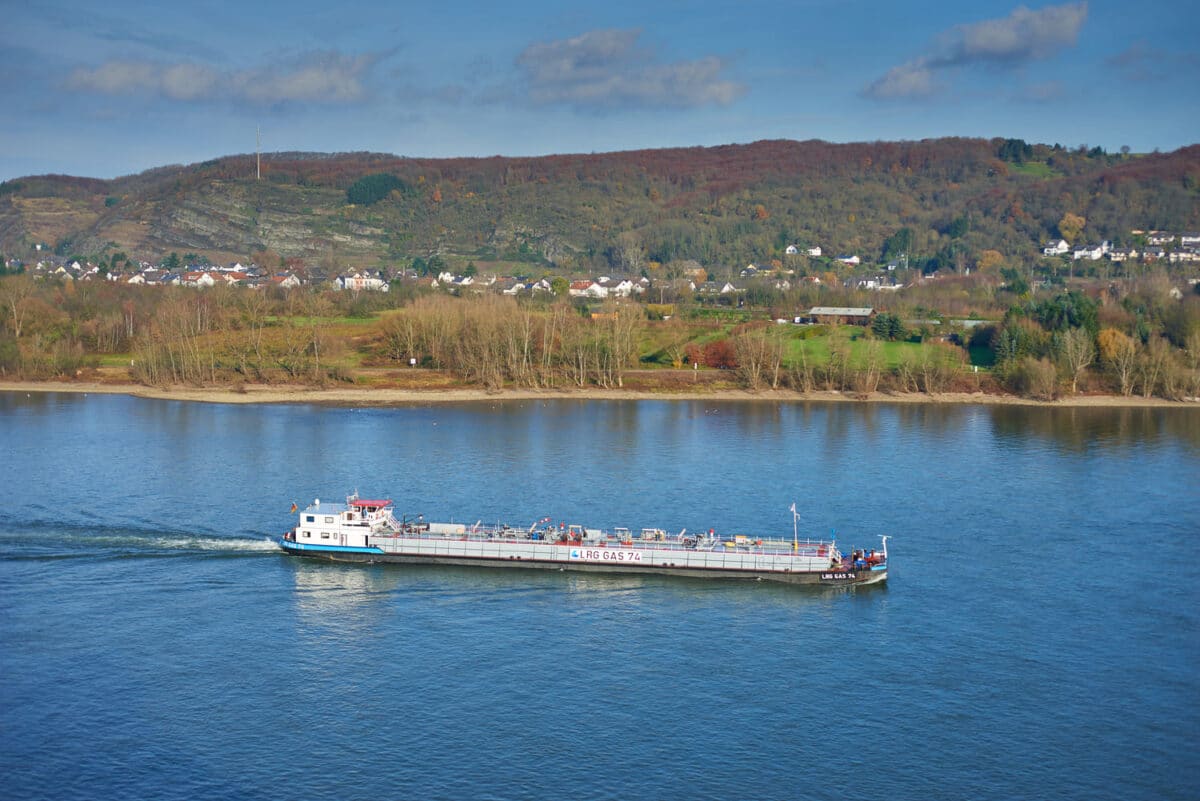
ARA Freight Market: Tightening Availability and Rising Costs Drive Broad-Based Rate Increases


The ARA barge freight market during 16–20 March evolved from an active and balanced start into a clear tightening phase, with freight rates rising steadily across the week. While overall spot demand remained moderate, a combination of operational delays, tightening barge availability, and rising bunker costs shifted pricing power toward operators.

By the end of the week, the market reflected a structurally firmer environment, with both middle distillates and light ends recording consistent upward movements.


1. Freight Rates: Gradual, Broad-Based Upward Trend

  • 16 March: The week opened with strong activity and firming sentiment, particularly for light ends, which recorded noticeable increases across all routes. Middle distillates showed more mixed movements, with minor adjustments depending on the route. Reduced barge availability, partly due to delays, allowed operators to push for higher levels.
  • 17 March: Activity remained steady, and freight rates showed further adjustments, though more selectively. Rising bunker costs began to play a more prominent role in negotiations, while continued terminal delays constrained effective supply. Rates diverged depending on route and product, but the overall tone remained firm.
  • 18 March: The market entered a more decisive upward phase. With tight barge availability and ongoing terminal congestion, freight rates increased across all ARA routes. Light ends continued to lead the upward trend, while middle distillates followed with more gradual gains.
  • 19 March: Despite a drop in total traded volume, freight rates rose further, this time with stronger gains in middle distillates. Limited scheduling flexibility, caused by previously fixed cargoes and ongoing delays, restricted the ability to absorb new demand, reinforcing upward pressure on pricing.

    Takeaway: Freight rates followed an increasing trajectory across all routes and product types, driven by tightening supply and rising operational costs.


    2. Spot Activity: Active Start, Constrained Midweek, Stable Finish

    • The week began with high activity levels, as charterers secured tonnage early and operators positioned fleets for the week ahead.
    • Midweek volumes declined, but not due to lack of demand, instead, capacity constraints and scheduling limitations restricted further fixing.
    • By the end of the week, activity stabilized at moderate levels, with most barges already committed.

    Takeaway: This pattern highlights a market where availability, not demand, is limiting activity.


    3. Product Dynamics: Light Ends Lead, Distillates Catch Up

    Middle distillates

    • Initially showed mixed movements.
    • Gained momentum mid-to-late week as availability tightened and demand shifted toward diesel, HVO, and FAME.
    • Recorded stronger increases later in the week, narrowing the gap with light ends.

    Light ends

    • Led the upward movement early in the week.
    • Maintained a premium throughout, supported by tighter availability and strong fixing interest.

    4. Operational Context: Delays and Costs Reshape Market Balance

    Operational factors were decisive throughout the week:

    • Terminal delays at key locations (including Antwerp, Ghent, and Rotterdam) extended turnaround times and reduced effective fleet capacity.
    • Renominations and scheduling disruptions limited operators’ flexibility to accept additional cargoes.
    • Rising bunker costs, linked to higher oil prices, provided additional justification for higher freight levels.

    Takeaway: Together, these factors created a structurally tighter market despite only moderate demand growth.


    Conclusion

    The ARA barge freight market during 16–20 March transitioned into a clear tightening phase, driven not by a surge in demand, but by constrained availability and rising operational costs. Early-week activity and improving utilization quickly translated into reduced barge supply, while persistent terminal delays and higher bunker prices reinforced upward pressure on freight rates. Both light ends and middle distillates moved higher, with the latter gaining momentum later in the week. As the market closes in a firmer position, the key question for the coming period will be whether these supply-side constraints persist, or whether improved logistics could ease the current upward pressure on rates.

    What’s next?

    Are you ready to face your challenges head-on?

    We now offer a FREE customized trial to our BargeINSIGHTS tool, an all-in-one platform for liquid bulk barge transport optimization.

    With BargeINSIGHTS, you get instant insights into barge freight rates, bunker gas oil prices, water levels, vessel tracking, and barge availability—all in one place. No more time-consuming data collection; everything you need is at your fingertips.

    Click here to schedule your demo and get access to BargeINSIGHTS for free!
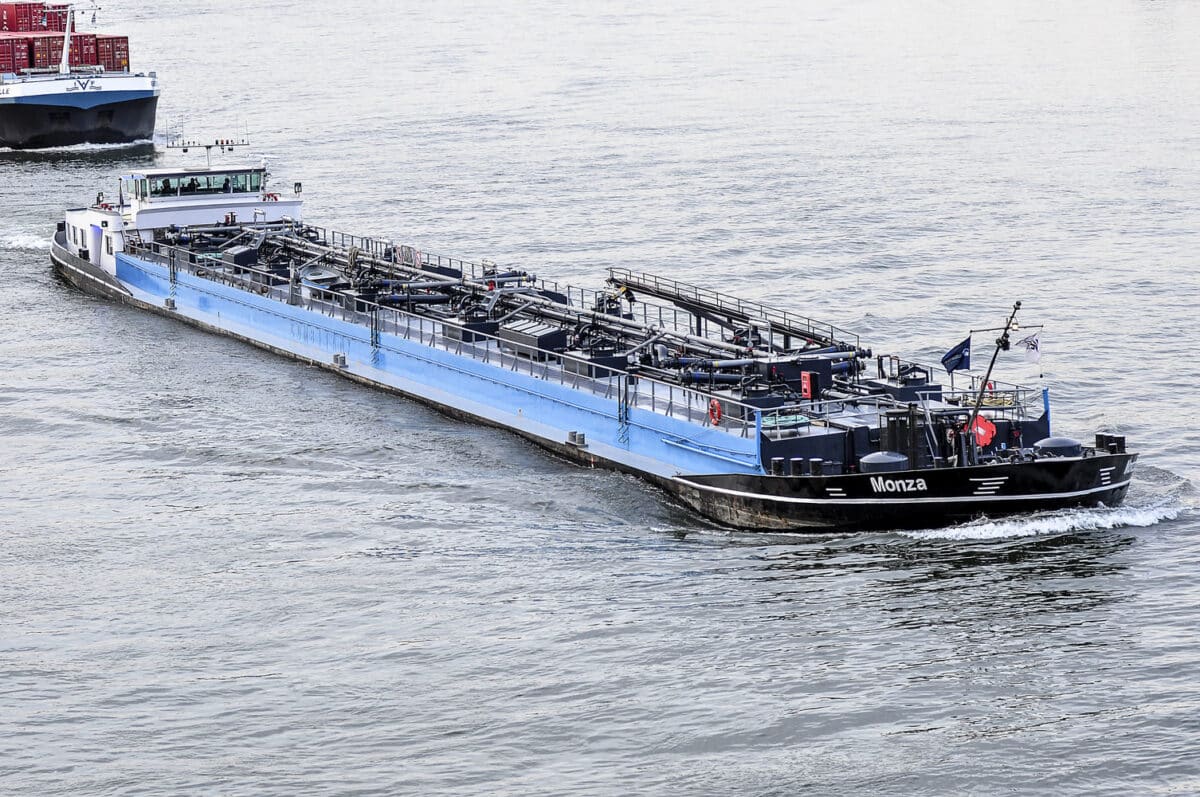
    Rhine Freight Market: Rising Bunker Costs and Falling Water Levels Lift Upper Rhine Rates


    The Rhine barge freight market during 16–20 March was characterized by a calm but gradually tightening environment, where limited spot demand contrasted with emerging upward pressure on freight rates, particularly on the Upper Rhine. While activity remained subdued for most of the week, a combination of declining water levels and rising bunker costs began to shift pricing dynamics toward the end of the period.


    1. Freight Rates: Quiet Start, Late-Week Upward Momentum

    • 16 March: The week opened in a very quiet market, with no deals reported and freight rates unchanged. Spot demand remained minimal, as traders avoided unnecessary movements amid volatile oil prices and backwardation. Contractual flows continued to support fleet utilization, preventing any downward pressure on rates.
    • 17 March: Activity increased slightly, though still at low levels. Despite weak spot demand, freight rates began to edge higher on Upper Rhine routes, supported by rising bunker prices and early signs of tightening intakes due to falling water levels. The broader market remained calm, with limited urgency among charterers.
    • 18 March: The market returned to a quieter tone, with only minimal deal activity. Freight rates were largely unchanged, although isolated adjustments were observed on longer-haul routes. Operators reported that most vessels were either on contract or temporarily out of the spot market for maintenance, limiting visible supply.
    • 19 March: Conditions remained stable and uneventful, with freight rates unchanged across most destinations. Despite rising oil prices and expectations of further water level declines, the absence of spot demand prevented any immediate repricing. The market appeared balanced, with few empty barges reported.
    • 20 March: The week ended with a notable uptick in activity and firmer pricing, marking the busiest session of the period. Multiple fixtures were concluded at higher levels, particularly on Upper Rhine routes. Declining water levels began to constrain intakes more visibly, while elevated product prices and backwardation continued to limit charterer urgency. The result was a slight upward adjustment in overall freight levels.

    Takeaway: Freight rates followed a stable to gradually firmer then an upward adjustment trajectory, driven by cost and hydrological factors rather than demand growth.


    2. Water Levels: Gradual Decline Reintroduces Constraints

    Hydrology became increasingly relevant as the week progressed:

    • Maxau showed a steady downward trend, with forecasts indicating further declines into the following week.
    • Kaub also decreased, approaching levels where intake limitations begin to impact loading capacity.
    • While not yet critical, these developments reintroduced early-stage constraints on Upper Rhine logistics, supporting firmer pricing toward the end of the week.

    Takeaway: This marked a subtle but important shift from previous weeks of comfortable water conditions.


    3. Market Activity: Structurally Quiet but Operationally Supported

    • Spot activity remained consistently low throughout the week, with only a limited number of deals concluded on most days.
    • Charterers showed little urgency due to backwardation and high product prices, which discouraged discretionary movements.
    • Contractual employment continued to anchor fleet utilization, preventing oversupply despite weak spot demand.

    Takeaway: Even on the busiest day, activity levels were modest in structural terms.


    4. Operational Context: Costs and Contracts Shape Behavior

    Operational dynamics played a key role:

    • Rising bunker prices, linked to geopolitical developments, increased voyage costs and supported higher freight levels.
    • Operators relied heavily on contract work to maintain utilization, reducing pressure to accept lower spot rates.
    • Some vessels were temporarily unavailable due to maintenance, slightly tightening effective supply.

    Takeaway: Together, these factors shifted pricing power marginally back toward operators.


    Conclusion

    The Rhine barge freight market during 16–20 March demonstrated a gradual transition from stability to early-stage firmness. While spot demand remained subdued and charterer urgency limited, rising bunker costs and declining water levels began to reshape pricing dynamics, particularly on the Upper Rhine. A late week increase in activity confirmed this shift, with higher fixtures pushing freight rates upward despite an otherwise calm market environment. As water levels continue to trend lower and cost pressures persist, the Rhine market appears poised to move into a more structurally supported phase, even in the absence of strong demand growth.

    What’s next?

    Are you ready to face your challenges head-on?

    We now offer a FREE customized trial to our BargeINSIGHTS tool, an all-in-one platform for liquid bulk barge transport optimization.

    With BargeINSIGHTS, you get instant insights into barge freight rates, bunker gas oil prices, water levels, vessel tracking, and barge availability—all in one place. No more time-consuming data collection; everything you need is at your fingertips.

    Click here to schedule your demo and get access to BargeINSIGHTS for free!
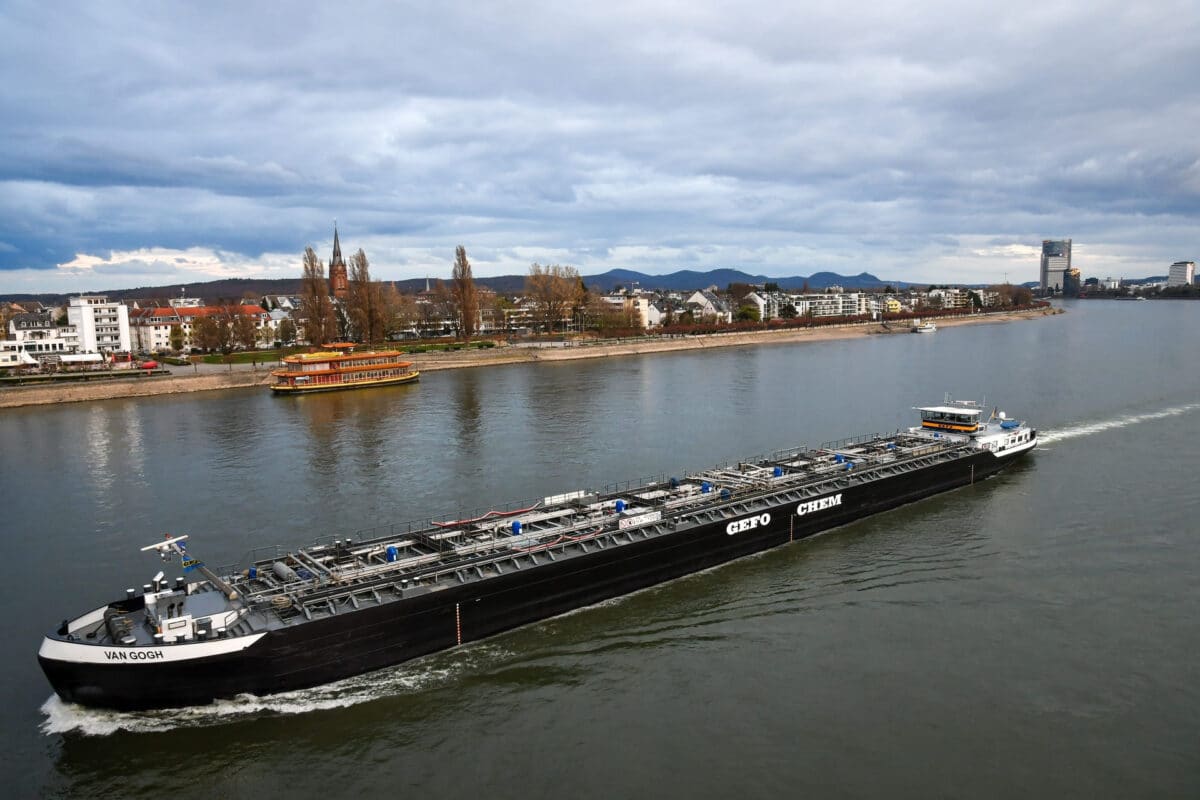
    ARA Freight Market: IE Week Dampens Demand as Rates Drift Lower


    The ARA barge freight market during 9–13 February was rather quiet in terms of traded volume, as market participants attended IE week in London. While activity recovered in the second half of the week, the overall tone remained soft, with freight rates trending lower across both middle distillates and light ends.

    Despite intermittent increases in traded volume, barge availability remained sufficient, and at times abundant, limiting operators’ pricing power.


    1. Freight Rates: Calm Start, Broad Downtick Midweek

    • 9 February: The week opened with extremely limited activity, with traded volume reaching its lowest level in quite some time. IE Week kept many traders away from the desks, resulting in only a handful of fixtures, mostly concluded on a PJK basis. Freight rates remained stable in both segments amid the very calm conditions.
    • 10 February: Activity picked up significantly compared to Monday, yet demand was still perceived as weak. Several prompt barges were reported empty in the ARA. Most fixtures were concluded below previous PJK basis levels, leading to a clear downtick in freight rates across both middle distillates and light ends.
    • 11 February: Market liquidity declined again, with volume falling back to subdued levels. Operators continued to report limited prompt requests and idle barges. No light-end deals were registered, and most distillate fixtures were concluded on a flat PJK or lump-sum basis. Freight rates remained unchanged during the session.
    • 12 February: As IE Week gradually concluded, activity increased sharply, with traded volume rising notably. However, the higher deal count did not translate into firmer pricing. Light-end fixtures were concluded below PJK levels due to the presence of empty larger barges, while middle distillate rates also recorded a slight downtick. Overall, PJK levels declined in both product categories.
    • 13 February: Total traded volume eased compared to Thursday but remained above early-week lows. Spot fixtures were primarily concentrated in distillates such as FAME, jet, and gasoil, with prices marginally lower than previously seen. Freight rates in middle distillates registered another slight downtick, while light ends remained broadly unchanged.

    Takeaway: Freight rates followed a stable, then lower, flat, lower, and slightly lower trajectory, driven primarily by weak prompt demand and ample barge availability.


    2. Spot Activity: Volume Recovery Without Pricing Support

    • Activity was almost absent at the start of the week due to IE Week.
    • Midweek saw fluctuating volumes, with a temporary decline on Wednesday.
    • Thursday recorded the highest traded volume of the week, but without restoring pricing momentum.
    • Friday closed with moderate activity, still below levels typically associated with upward rate pressure.

    Takeaway: The week highlighted that volume alone does not create firmness when effective supply remains abundant.


    3. Product Dynamics: Light Ends Under Pressure, Distillates Slightly More Resilient

    Light ends

    • No deals were registered early in the week.
    • Larger empty barges exerted clear pressure midweek.
    • Concluded the week broadly unchanged on Friday but at lower levels than Monday.

    Middle distillates

    • Attracted relatively stronger interest compared to light ends.
    • Experienced gradual and consistent softening throughout the week.
    • Increased engagement following the expiry of February gasoil contracts may create additional movement in the coming sessions.

    4. Operational Context: Availability Outweighs Demand

    Operationally, the market remained well supplied:

    • Several prompt barges were reported empty across ARA and Flushing/Ghent routes.
    • Larger parcels in the light-end segment amplified rate competition.
    • Despite increased fixing later in the week, operators continued to compete aggressively to secure employment.

    Takeaway: This combination reinforced a structurally softer environment.


    Conclusion

    The ARA barge freight market during 9–13 February was characterized by suppressed demand early in the week due to IE Week, followed by a recovery in activity that failed to restore pricing strength. Freight rates drifted lower across both middle distillates and light ends as prompt barge availability outweighed demand. Even as traders gradually returned to the market and deal counts increased, operators continued to accept lower levels to secure employment. With water levels on the Rhine improving simultaneously and no clear surge in cargo demand, the ARA market closed the week balanced but under mild downward pressure, awaiting stronger directional drivers.

    What’s next?

    Are you ready to face your challenges head-on?

    We now offer a FREE customized trial to our BargeINSIGHTS tool, an all-in-one platform for liquid bulk barge transport optimization.

    With BargeINSIGHTS, you get instant insights into barge freight rates, bunker gas oil prices, water levels, vessel tracking, and barge availability—all in one place. No more time-consuming data collection; everything you need is at your fingertips.

    Click here to schedule your demo and get access to BargeINSIGHTS for free!
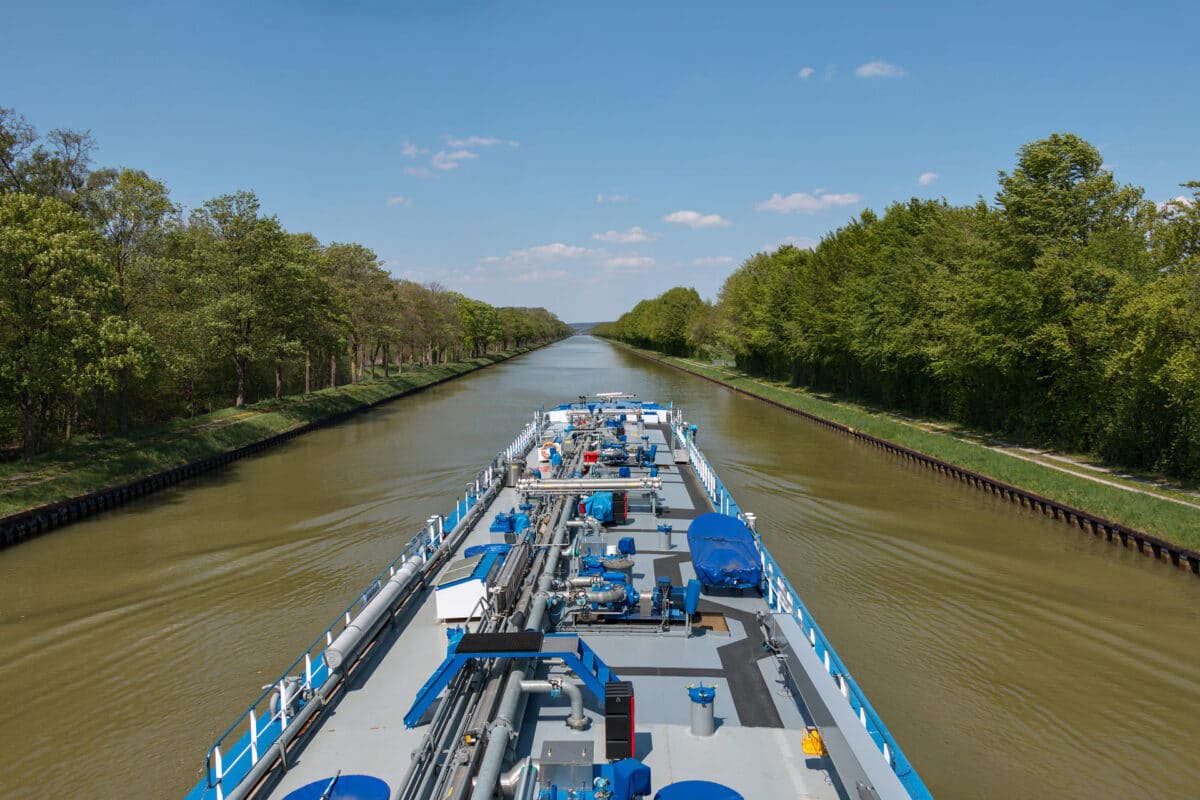
    Rhine Freight Market: Rising Water Levels Remove Pressure, Market Turns Defensive


    The Rhine barge freight market during 9–13 February moved decisively away from the hydrology-driven tightness seen earlier in the year. Rapidly improving water levels, particularly at Kaub and Maxau, shifted the balance of power back toward charterers, even as spot activity remained limited throughout the week.

    Despite a modest increase in deal flow midweek, freight rates largely stabilized at lower effective levels, with only minor adjustments on select Upper Rhine routes. The dominant theme was not demand growth, but the restoration of full intakes, which fundamentally changed market psychology.


    1. Freight Rates: Stable Start, Gradual Repricing Upstream

    • 9 February: The week opened quietly, with hardly any new deals concluded. Market participants waited for confirmation of rising water levels at Maxau, which were forecast to increase significantly. Freight rates remained unchanged, but the expectation of higher intakes introduced clear downside risk for Upper Rhine routes.
    • 10 February: Deal count increased modestly, yet demand remained subdued. Charterers postponed decisions pending further clarity on water levels. Forecasts indicated Maxau would exceed key thresholds, allowing materially higher intakes in the coming days. Despite this, deals were concluded at stable prices, keeping freight rates unchanged.
    • 11 February: A sharp rise in water levels, particularly at Kaub, triggered significantly lower freight levels for Upper Rhine destinations. With nominations rising to approximately 2,000–2,200 tons, charterers were able to leverage abundant barge availability. Lower Rhine routes remained largely unaffected, highlighting the regional divergence.
    • 12 February: Activity slowed again, with only one deal reported. Although water levels continued to rise across pegels, freight rates remained unchanged, reflecting a pause after the previous day’s repricing.
    • 13 February: The week closed calmly, with full intakes now achievable across all Rhine destinations. Only a minor correction was observed on Frankfurt, while overall freight levels remained stable. Operators focused on weekend scheduling rather than chasing new spot business.

    Takeaway: Freight rates followed a trajectory of stability, then a sharp upstream decline, before stabilizing again, driven almost entirely by hydrological recovery.


    2. Water Levels: Structural Shift in Market Conditions

    Hydrology was the decisive factor:

    • Maxau rose above 600 cm during the week, with further volatility expected but generally supportive for higher intakes.
    • Kaub increased sharply from very low levels to well above the thresholds required for full loading.
    • Pegels such as Ruhrort and Cologne also showed consistent improvement.

    Takeaway: The restoration of full loading capacity removed the logistical constraints that had supported elevated freight rates earlier in the month.


    3. Market Activity: Calm and Selective

    • Spot business was slow at the start of the week.
    • Midweek deal counts improved slightly, but did not reflect strong demand.
    • By Friday, activity returned to a typical pre-weekend lull, with most operators focused on fleet positioning.

    Takeaway: Importantly, demand was described as sufficient to keep most barges employed, but not strong enough to restore pricing power.


    4. Operational Context: Availability Expands as Intakes Recover

    Operational dynamics shifted noticeably:

    • Higher intakes increased effective supply, even without a rise in vessel count.
    • Some barge owners struggled to secure employment as charterers became more selective.
    • The anticipation of continued high-water levels reduced urgency across the market.

    Takeaway: This structural expansion of effective capacity capped any attempt at rate recovery.


    Conclusion

    The Rhine barge freight market during 9–13 February marked a clear turning point from constraint-driven firmness to hydrology-enabled normalization. Rapidly rising water levels at Kaub and Maxau restored full intakes and shifted bargaining power back toward charterers, leading to a sharp midweek repricing on Upper Rhine routes. While overall deal flow remained limited and most freight rates stabilized toward the end of the week, the underlying structural change, higher intakes, and increased effective supply signal a softer tone moving into the second half of February. From here, freight direction will depend less on water levels and more on the strength of underlying cargo demand.

    What’s next?

    Are you ready to face your challenges head-on?

    We now offer a FREE customized trial to our BargeINSIGHTS tool, an all-in-one platform for liquid bulk barge transport optimization.

    With BargeINSIGHTS, you get instant insights into barge freight rates, bunker gas oil prices, water levels, vessel tracking, and barge availability—all in one place. No more time-consuming data collection; everything you need is at your fingertips.

    Click here to schedule your demo and get access to BargeINSIGHTS for free!
    ARA Freight Market: Higher Deal Count Fails to Halt Gradual Rate Softening


    The ARA barge freight market during 26–30 January moved into a clear end-of-month consolidation phase. After the volatility and mid-January tightness seen earlier in the month, this week was characterized by moderating activity, easing freight sentiment, and a gradual unwinding of earlier rate support, particularly for middle distillates.

    While operational delays continued to occupy operators, fresh demand thinned out, leaving the market increasingly driven by scheduling clean-up rather than new fixing interest.


    1. Freight Rates: Stability Early, Followed by Late-Week Softening

    • 26 January: The week opened with largely stable freight rates. Activity was similar to the previous Friday, but charterer demand was described as limited, with most business focused on reorganizing delayed barges rather than booking new voyages. Minor technical adjustments were observed, but no clear directional move emerged.
    • 28 January: Midweek saw a pickup in trading volume, primarily driven by middle distillates. This supported continued firmness for distillate routes, while light-end freight remained broadly unchanged. Operators reported that schedules were tight into early the following week, limiting prompt availability despite relatively calm market conditions.
    • 29 January: Activity dropped sharply, falling to roughly half of the previous day’s volume. With barges already booked into mid-next week and little urgency from charterers, freight rates remained unchanged, reinforcing a sideways market tone.
    • 30 January: On the final trading day of the month, spot activity rebounded modestly as operators finalized schedules ahead of the weekend. However, middle distillate freight rates edged lower, reflecting improved barge availability and reduced competition for prompt cargoes. Light ends remained stable, with limited deal flow.

    Takeaway: Freight rates followed a stable to firm and flat then to softer trajectory, with end-month dynamics weighing most heavily on middle distillates.


    2. Spot Activity: Midweek Peak, Thin Finish

    • Activity started the week at moderate levels, largely driven by operational rearrangements.
    • 28 January marked the busiest session, with volumes supported by distillate demand and barges freeing up from discharge locations.
    • By 29 January, volumes fell sharply as fixing programs were largely complete.
    • 30 January saw a mild rebound, but overall activity remained subdued compared with mid-month levels.

    Takeaway: This pattern highlighted the calendar-driven nature of the week, rather than a change in underlying demand.


    3. Product Dynamics: Distillates Fade, Light Ends Hold Steady

    Light ends

    • Activity remained low throughout the period.
    • Freight rates stayed broadly unchanged, with most deals concluded on a PJK or lump-sum basis, limiting price volatility.

    Middle distillates

    • Supported midweek by increased volumes and tight operator schedules.
    • Lost momentum by Friday as availability improved and operators accepted lower levels to secure final end-month employment.

    4. Operational Context: Delays Persist, But Pressure Eases

    Operational challenges remained a consistent backdrop:

    • Ongoing terminal delays across ARA continued to complicate scheduling, with some operators reporting extended waiting times for delayed barges.
    • Despite this, overall barge availability improved toward the end of the week, particularly for middle distillates.
    • Heated barges for FAME were again noted as scarce, but this had limited impact on overall market pricing.


    Conclusion

    The ARA barge freight market during 26–30 January settled into a late-month holding pattern. After a brief midweek uplift in activity, demand faded quickly as January programs were finalized and charterers deferred new fixing into February. Freight rates reflected this transition, holding steady early in the week before softening slightly for middle distillates by Friday, while light ends remained largely unchanged. With operational pressures easing and barge availability improving, the market closed January balanced but cautious, awaiting clearer demand signals as February approaches.

    What’s next?

    Are you ready to face your challenges head-on?

    We now offer a FREE customized trial to our BargeINSIGHTS tool, an all-in-one platform for liquid bulk barge transport optimization.

    With BargeINSIGHTS, you get instant insights into barge freight rates, bunker gas oil prices, water levels, vessel tracking, and barge availability—all in one place. No more time-consuming data collection; everything you need is at your fingertips.

    Click here to schedule your demo and get access to BargeINSIGHTS for free!

    Rhine Freight Market: Improving Water Levels Shift the Balance Toward Softer Rates


    The Rhine barge freight market during 2–6 February entered a clear transition phase, as improving water levels gradually eased the logistical pressure that had dominated much of January. While activity levels fluctuated throughout the week, the overall tone shifted from hydrology-driven firmness toward softer freight sentiment, particularly on Middle and Upper Rhine routes.

    Charterers increasingly adopted a wait-and-see approach, anticipating higher intakes in the weeks ahead, while operators focused on contractual employment amid subdued spot demand.


    1. Freight Rates: Early Stability Followed by Broad Softening

    • Early week (2 February): The market opened quietly, with freight rates largely unchanged across all destinations. Spot activity was minimal as charterers prioritized administrative month-start tasks and barge operators focused on rescheduling vessels delayed over the weekend. Limited deals were concluded mainly on a PJK basis, resulting in a sideways market.
    • Midweek (3–4 February): Activity picked up modestly, but pricing became more mixed. While some minor upward adjustments were seen on selected Lower Rhine routes, Middle and Upper Rhine destinations began to edge lower, reflecting improving water level expectations and limited prompt demand. Midweek sessions recorded several downward adjustments, confirming a softening trend.
    • Late week (5–6 February): Despite a higher number of concluded deals, freight rates declined further across most routes, particularly upstream. The increased deal count did not translate into stronger pricing, as charterers continued to show caution and operators accepted lower levels to secure employment. Only isolated routes registered marginal upward moves, insufficient to alter the broader downward direction.

    Takeaway: Freight rates moved from stable to mixed and then softened, as improving hydrology eased earlier capacity constraints.


    2. Water Levels: Gradual Improvement Changes Market Psychology

    Hydrological developments were central to the shift in sentiment:

    • Maxau remained comfortably above critical thresholds and was forecast to stay relatively stable, supporting expectations of higher intakes on Upper Rhine voyages.
    • Kaub showed short-term volatility but with forecasts indicating potential recovery in the near term.
    • The prospect of a larger incoming wave later in February encouraged charterers to delay fixing, reducing urgency in the spot market.

    Takeaway: As intake restrictions eased, operators lost some of the pricing power seen in January.


    3. Market Activity: More Deals, Less Urgency

    • Activity was very limited at the start of the week, with only sporadic spot enquiries.
    • Midweek saw a modest recovery in deal count, driven by routine logistical movements rather than fresh demand.
    • By Friday, deal numbers increased further, but this reflected pricing acceptance rather than demand strength, underscoring a softer market environment.

    Takeaway: Overall, activity improved in quantity but weakened in pricing influence.


    4. Operational Context: Weather and Delays Remain a Factor

    Operational conditions continued to shape trading behavior:

    • Ice and cold weather in northern and eastern Germany disrupted traffic in certain regions, limiting flexibility on some inland routes.
    • Terminal waiting times remained elevated, keeping barges occupied despite low spot demand.
    • Some operators increasingly preferred contractual work over spot exposure, reinforcing the subdued spot market tone.

    Conclusion

    The Rhine barge freight market during 2–6 February marked a turning point from January’s hydrology-driven tightness toward a more balanced, and increasingly softer, environment. Improving water levels reduced intake constraints and weakened freight sentiment, even as deal counts recovered later in the week. Charterers remained cautious, anticipating further hydrological improvement, while operators adjusted pricing to secure employment amid limited, prompt demand. As February progresses, the Rhine market appears poised to shift from logistics-led pricing toward a phase where demand visibility will play a more decisive role.

    What’s next?

    Are you ready to face your challenges head-on?

    We now offer a FREE customized trial to our BargeINSIGHTS tool, an all-in-one platform for liquid bulk barge transport optimization.

    With BargeINSIGHTS, you get instant insights into barge freight rates, bunker gas oil prices, water levels, vessel tracking, and barge availability—all in one place. No more time-consuming data collection; everything you need is at your fingertips.

    Click here to schedule your demo and get access to BargeINSIGHTS for free!