
ARA Freight Market: ICE Expiry Ignites a Record-Breaking Week for Middle Distillates


The ARA barge freight market had an exceptional week. A wave of post-ICE-expiry gasoil and diesel fixtures drove volumes to their highest level since late December. Middle distillates led the charge, with rates climbing across all three active trading sessions. Light ends, by contrast, stayed on the sidelines. Demand in that segment remained weak, and rates held flat throughout. Ascension Day on Thursday and a bridging day on Friday compressed the trading window, adding urgency to the early sessions.


1. Freight Rates: Distillates Climb, Light Ends Hold Flat

Middle distillate rates moved higher across each active session. The gains built on one another, creating a sustained upward trend. Light ends held stable throughout. Here is how each day unfolded:

  • 11 May: Middle distillate rates fell across most routes. Distillates and renewables were fixed at lower average prices than the prior period. Light ends held flat, with prices either matching the previous week or concluded on a PJK basis.
  • 12 May: Middle distillate rates reversed and moved higher, despite fewer deals being done. Better-priced transactions drove the uptick. Positioning ahead of the ICE gasoil expiry also played a role. Light ends remained unchanged.
  • 13 May: The standout session of the week. Middle distillate rates surged across all routes. A wave of post-ICE-expiry gasoil and diesel fixtures flooded the market. Operators secured materially higher freight levels as demand far outpaced available vessels. Light ends held flat and played little role in the day’s activity.
  • 15 May: Middle distillate rates climbed further across all routes. FAME fixtures dominated the volume mix. Operators still reported strong demand, with fleets booked well into the following week. Light ends remained unchanged, concluded mostly on a PJK basis.

Takeaway: Middle distillates delivered a multi-session rate rally driven by real demand. Light ends were effectively a bystander throughout, unable to benefit from the broader market strength.


2. Spot Activity: A Week of Dramatic Contrasts

Activity was highly uneven across the period. The ICE expiry created a concentrated demand surge that shaped the entire week. Here is how each session played out:

  • 11 May: A reasonably active start. Operator feedback was mixed, some described a quieter day, while others reported a busy flow of requests. Distillates and renewables drove most of the activity. Light ends volumes were lower. Because of Ascension Day on Thursday, the week’s peak was expected to arrive earlier than usual.
  • 12 May: Activity slowed sharply from Monday’s level. Most immediate spot needs had already been covered the day before. Charterers also waited on the ICE gasoil expiry outcome before committing to new fixtures. Despite lighter deal flow, middle distillate prices moved higher.
  • 13 May: Volume surged to its highest level since late December. The post-ICE-expiry wave of gasoil and diesel fixtures flooded the market. Operators were fully occupied, no idle barges were reported, and some renomination issues emerged as barges missed loading or discharge timeslots.
  • 15 May: Volume remained elevated. Many fixtures had roots in the prior two sessions, but operators continued to report strong prompt barge demand. Some fleets were booked well into the second half of the following week. Renomination issues were more contained than Wednesday, as operators generally found replacement trips quickly.

Takeaway: The week’s volume story had two acts, a quiet build on Monday and Tuesday, followed by an extraordinary surge on Wednesday and Friday. The sustained strength into Friday confirmed this was more than a one-day event.


3. Product Dynamics: Distillates Dominate, Light Ends Lag

The week widened the gap between product segments. This divergence has been a recurring theme in recent periods.

Middle Distillates and Renewables

  • Gasoil and diesel were the clear drivers of the week’s exceptional volumes and rate gains. Activity built sharply from Wednesday after the ICE contract expiry.
  • FAME barges featured across all sessions. They were especially prominent on Friday, where they made up most of the traded tonnage.
  • No idle barges were reported during the peak sessions. This reflected a genuine tightening of vessel supply relative to demand.
  • Rates climbed progressively, with each active session delivering further gains across all routes.

Light Ends

  • Light ends stayed sidelined throughout. Demand did not materialize in any meaningful way across the four sessions.
  • Volumes were low on Monday and Tuesday. The segment played virtually no role in the mid-week and Friday surges.
  • Most light ends fixtures were done on a PJK basis. As a result, no directional rate signal emerged.
  • Rates held flat across all sessions and all routes, ending the week exactly where they started.

Takeaway: The week’s exceptional performance was almost entirely a middle distillates story. Light ends remain structurally weak. The fact that rates did not move, even during a week of extraordinary market activity, shows that the segments do not always correlate.


4. Operational Context: ICE Expiry Drives Demand, Delays Return

The ICE expiry was the dominant catalyst. However, terminal delays also returned as volumes surged:

  • The monthly ICE gasoil contract expired on Tuesday. The total expiry volume was materially higher than the previous month. This created a large wave of physical delivery fixtures. The full effect was felt on Wednesday and carried into Friday.
  • Terminal delays resurfaced mid-week. The surge in activity stretched operational capacity. Several operators had to renominate barges that missed loading or discharge timeslots.
  • By Friday, renomination issues were more contained. Operators generally found replacement trips quickly, showing the situation was being managed despite the elevated volumes.
  • Operator sentiment shifted across the week. It moved from mixed on Monday to strongly positive by Wednesday and Friday. Fleets were fully occupied, and demand was described as robust heading into the following week.

Takeaway: The ICE expiry was a real demand catalyst that translated directly into fixtures, rates, and fleet utilization. The return of terminal delays during peak activity shows that the ARA can face operational strain when demand surges quickly.


Conclusion

The ARA barge freight market had one of its strongest weeks in months during 11–15 May. An ICE contract expiry-driven surge pushed middle distillate volumes to their highest level since late December. Rates climbed across all routes over multiple sessions. The week showed that significant demand exists in the distillates segment when the right catalyst is present. However, light ends remained entirely absent from the rally, holding flat throughout and underscoring the continued gap between the two segments. Some of this week’s demand may have pulled forward fixtures from the following period, so a degree of consolidation is likely.

What’s next?

Are you ready to face your challenges head-on?

We now offer a FREE customized trial to our BargeINSIGHTS tool, an all-in-one platform for liquid bulk barge transport optimization.

With BargeINSIGHTS, you get instant insights into barge freight rates, bunker gas oil prices, water levels, vessel tracking, and barge availability—all in one place. No more time-consuming data collection; everything you need is at your fingertips.

Click here to schedule your demo and get access to BargeINSIGHTS for free!

Rhine Freight Market: Holiday-Shortened Week Sees Steady Activity and Rising Water Levels


The Rhine barge freight market had a productive week. Ascension Day on Thursday and a widely observed bridging day on Friday limited trading to just three active sessions. Despite the shortened calendar, the week was broadly successful. Steady volumes of gasoline and gasoil moved both up and down the river. Few empty barges were reported. Water levels rose across key measuring points, offering a modest improvement in vessel intakes. Freight rates held broadly stable, with only a minor upward adjustment for Basel on the final active trading day.


1. Freight Rates: Broadly Stable with a Late Basel Uptick

Rate movements were minimal throughout the period. Only one destination saw a directional change. Here is how each day unfolded:

  • 11 May: All rates held flat across all destinations. Deal activity was reasonably healthy, but all transactions were concluded at levels in line with the prior week. There was no impetus for any rate adjustment.
  • 12 May: Rates were again broadly unchanged. Karlsruhe was the one exception, deals for that destination came in at a lower price, resulting in a modest downward adjustment. All other destinations held flat. Limited deal flow and uncertainty around the ICE expiry kept participants cautious.
  • 13 May: The last fully active session of the week. Charterers rushed to finalize requirements ahead of Ascension Day. Most deals were priced in line with prior sessions. Basel was the exception, where prices came in marginally higher. A small upward adjustment was registered for that destination.
  • 15 May: Almost no spot business was conducted. The one deal registered provided no meaningful price signal. All rates remained unchanged into the weekend.

Takeaway: The week was defined by near-total rate stability. Karlsruhe softened slightly mid-week before Basel edged higher on Wednesday. The compressed trading window left little room for broader rate movement.


2. Spot Activity: Front-Loaded into Three Active Days

Ascension Day eliminated Thursday, and most participants took Friday as a bridging day. As a result, all meaningful business was done in the first three sessions. Here is how each played out:

  • 11 May: The most active session of the week. A meaningful number of deals and offers were registered. Interest in moving products picked up compared to the prior week. The holiday deadline added urgency. However, enough vessels were available to absorb the uptick without pushing rates higher.
  • 12 May: Activity fell sharply. Many transactions had already been done on Monday, reducing remaining spot needs. Participants also waited for clarity on the day’s ICE futures expiry before committing to new fixtures.
  • 13 May: A modest recovery in deal count. Charterers made their final fixtures ahead of the holiday. The pace was slower than Monday, but sufficient to keep most freighters covered through the holiday period.
  • 15 May: Near-total inactivity. The bridging day effect left the market essentially dormant. Only one deal was discussed, and no price-forming information came from the session.

Takeaway: The front-loading of activity into Monday and Wednesday reflected deliberate scheduling ahead of the holiday. Once coverage was secured, the market went quiet quickly, a pattern that has repeated itself throughout the recent holiday-heavy period.


3. Structural Drivers: Steady Volumes, Few Empty Barges

The week’s operational picture was more positive than in recent periods. Several encouraging signs emerged alongside the familiar structural headwinds:

  • Fleet utilization improved. Few empty barges were reported during the week. This is a notable contrast to recent sessions, where vessel availability had been a persistent concern. Lower water levels mean more vessels are needed to move the same volume, which naturally tightens fleet availability.
  • Balanced product mix. Steady volumes of both gasoline and gasoil moved up and down the Rhine. This was more balanced than previous weeks, where the product mix had been skewed.
  • Backwardation persists. Despite the improved operational tone, gasoil backwardation continued to cap demand. Charterers focused on covering near-term operational needs rather than building inventory.
  • Holiday pressure pulled forward business. Ascension Day created urgency on Monday and Wednesday. Some business was brought forward that might otherwise have been spread across a full week.

Takeaway: The improved fleet utilization and balanced product mix are encouraging signals. However, much of the positive tone was driven by holiday-related scheduling pressure rather than a fundamental shift in demand.


4. Water Levels: A Welcome Recovery

Water levels rose meaningfully during the week. This provided a more supportive operational backdrop than had been the case for much of the prior month.

  • Kaub began the week at constrained levels but rose steadily throughout the period. By week-end, it was materially higher than the prior week’s lows. Forecasts pointed to continued improvement into the weekend, which would further ease intake constraints for Upper Rhine destinations.
  • Maxau also moved higher during the week, surpassing levels that had previously been capping Upper Rhine intakes. The rise was expected to stabilize around current levels before a possible modest pullback the following week.
  • Improving intakes. Rising levels at both Kaub and Maxau translated into modestly better intake conditions for Upper Rhine and Swiss routes. Operators were able to load slightly more product per voyage than in the preceding weeks.
  • Outlook caution. Forecasts suggested that levels at both Kaub and Maxau could reverse course the following week. The current improvement may therefore prove temporary. Operators were advised to plan accordingly.

Takeaway: The week’s water level recovery was a genuine positive after a prolonged period of constraint. However, a forecast reversal in the coming week means this improvement may not last. The risk of a return to tighter intake conditions remains real.


Conclusion

The Rhine barge freight market had a solid, if compressed, week during 11–15 May. Steady freight activity, improving fleet utilization, and rising water levels all contributed to a more positive tone than recent periods. The three-day effective trading window limited the scope for rate movement, and published rates ended the period essentially where they started, with only minor adjustments for Karlsruhe and Basel. Looking ahead, water levels may reverse in the coming week, and gasoil backwardation continues to cap speculative demand. The market will need to navigate another compressed schedule before more normalized conditions can be expected in June.

What’s next?

Are you ready to face your challenges head-on?

We now offer a FREE customized trial to our BargeINSIGHTS tool, an all-in-one platform for liquid bulk barge transport optimization.

With BargeINSIGHTS, you get instant insights into barge freight rates, bunker gas oil prices, water levels, vessel tracking, and barge availability—all in one place. No more time-consuming data collection; everything you need is at your fingertips.

Click here to schedule your demo and get access to BargeINSIGHTS for free!
ARA Freight Market: Mid-Week Surge Bookends a Week of Dramatic Contrasts


The ARA barge freight market delivered one of its most volatile weekly patterns in recent memory, swinging from near-silence on the opening day to a high-energy surge mid-week before collapsing back to the lowest daily volume recorded since March on the final session. The week was shaped by a confluence of factors, a UK bank holiday dampening Monday’s activity, a strong light ends revival on Wednesday, and a gradual return of caution as the week progressed and pre-weekend coverage was secured. Freight rates reflected this volatility with selective upward moves mid-week followed by a return to stability, ending the period with both product segments broadly unchanged from where they started.


1. Freight Rates: Selective Gains Mid-Week, Flat at Close

Rates moved selectively across the period, with the clearest directional signal coming on Wednesday before giving way to marginal adjustments and ultimately stability. The day-by-day picture was as follows:

  • 4 May: All rates held fully flat across both product categories. The extremely thin deal flow, largely FAME fixtures, provided no price-forming information, and no changes were applied to published rates.
  • 6 May: Middle distillates edged modestly higher across all routes, reflecting deals concluded at slightly improved levels compared to the prior publication. Light ends held unchanged, with rates moving sideways despite strong demand in that segment, a reflection of deals being fixed at broadly similar levels to before.
  • 7 May: A more mixed picture emerged. Cross Harbor middle distillates moved higher, while Rotterdam-related routes dipped back. Light ends saw a modest decline on the Cross Harbor route while holding flat elsewhere. Flushing routes remained stable across both product categories.
  • 8 May: All rates held fully flat across both product segments. The handful of deals concluded showed no clear directional bias, some higher, some lower than the prior session, leaving published rates unchanged into the weekend.

Takeaway: Middle distillates found modest upward momentum on Wednesday before partially retracing on Thursday. Light ends, despite strong demand mid week, did not translate that activity into rate increases, reflecting deals being fixed at prevailing levels rather than at a premium. By Friday, the market had no directional signal to act on.


2. Spot Activity: Dramatic Swings Across the Week

Volumes followed an extreme arc across the period, creating one of the sharpest week-on-week volume contrasts seen in recent months. The session-by-session picture was as follows:

  • 4 May: A remarkably quiet opening, with volume falling to the lowest level since late March. The UK bank holiday was cited as a contributing factor, with traders based there largely absent from the market. The activity that did occur was dominated by renewables, particularly FAME barges. Terminal operations over the long weekend were described as relatively smooth, with no significant waiting times reported.
  • 6 May: A dramatic reversal, with volumes surging to well above the prior week’s average and representing a significant rebound. Light ends were the primary driver, with strong demand reported and no idle barges in that segment. Middle distillates also featured but were described as having further room for improvement. The session was the most active of the week by a considerable margin.
  • 7 May: Volumes fell back materially from Wednesday’s elevated levels, as most charterers had already covered their requirements. Freighters reported their fleets nearly fully booked for the weekend, limiting the pool of barges available for prompt loading. The product mix was more evenly distributed than the previous day, with renewables playing a smaller relative role and distillates and light ends each contributing more proportionally.
  • 8 May: Volume collapsed to the lowest level since March, with only a handful of deals registered. The brief positivity of earlier in the week had largely dissipated, with operators noting that some of their vessels may face a cargo-free weekend a reversal from the buoyant tone of just two days prior. Most of the limited deals concluded were done on a PJK basis, with price-per-ton deals showing no clear directional bias.

Takeaway: Wednesday’s surge was striking but ultimately proved to be a one-day event rather than the start of a sustained recovery. The speed with which demand was exhausted, and sentiment turned cautious again by Friday, underlines the fragile and intermittent nature of ARA spot demand at this stage.


3. Product Dynamics: A Momentary Light Ends Revival

The week brought a notable, if short-lived, shift in the product mix narrative that has defined recent periods, with light ends briefly reasserting themselves before fading again.

Middle Distillates

  • Opened the week in near-absence, with Monday dominated by renewables and distillates playing a minimal role.
  • Recovered on Wednesday alongside the broader volume surge, featuring more prominently in the day’s fixtures.
  • Remained active on Thursday, though at lower overall volumes, and was again the most actively traded product category by the end of the week.
  • Rates edged modestly higher mid-week before partially retracing, ending the period broadly flat relative to the start.

Light Ends

  • Monday saw virtually no light ends activity, consistent with the broader market quietude.
  • Wednesday brought a clear light ends revival, demand was described as strong, no idle barges were reported in the segment, and the category drove a significant share of the day’s elevated volume.
  • The recovery proved short-lived. By Thursday, volumes had returned to more modest levels, and by Friday, light ends were again subdued, with operators flagging potential cargo gaps over the weekend.
  • Rates did not capitalize on the mid-week demand strength, holding flat on Wednesday and seeing only minor movements thereafter.

Takeaway: The light ends revival on Wednesday was encouraging but ultimately insufficient to alter the segment’s broader trajectory. The speed of the reversal by Friday suggests that the demand uplift was driven by a specific window of cargo need rather than a structural improvement in light ends spot activity.


Conclusion

The ARA barge freight market during 4–8 May was defined by extreme intra-week volatility in terms of volume, a near-silent Monday, a strong Wednesday, and an equally quiet Friday, rather than any clear directional trend. The week’s most significant development was the brief but genuine revival in light ends demand mid-week, which provided a positive signal after a prolonged period of weakness in that segment. However, the speed with which that momentum dissipated by week-end confirmed that the market remains in a fragile state, with demand insufficient to sustain any multi-day rate improvement. With Ascension Day on 14 May and Pentecost Monday on 25 May further fragmenting the remaining trading days in May, the conditions for a sustained recovery remain challenging, and the market is likely to continue oscillating between brief periods of activity and extended quiet until clearer demand signals emerge.

What’s next?

Are you ready to face your challenges head-on?

We now offer a FREE customized trial to our BargeINSIGHTS tool, an all-in-one platform for liquid bulk barge transport optimization.

With BargeINSIGHTS, you get instant insights into barge freight rates, bunker gas oil prices, water levels, vessel tracking, and barge availability—all in one place. No more time-consuming data collection; everything you need is at your fingertips.

Click here to schedule your demo and get access to BargeINSIGHTS for free!

Rhine Freight Market: Post-Holiday Rate Rise Gives Way to Cautious Stability


The Rhine barge freight market returned from the Liberation Day holiday with a clear statement of intent, rates moved higher across all destinations on the first trading day, driven by the twin pressures of persistently low water levels and reduced vessel intakes. However, this initial momentum was not sustained, and the market quickly settled into a cautious, broadly stable pattern for the remainder of the week. Spot demand remained structurally weak throughout, held back by soft end-user consumption, gasoil backwardation, and a fleet largely absorbed by contractual obligations. Two notable emerging themes added texture to the week: the potential demand stimulus from Germany’s gasoline excise tax reduction, and rising import demand into French regions following a maintenance shutdown at the Donges refinery.


1. Freight Rates: Up on Monday, Stable Thereafter

The week’s rate trajectory was front-loaded, with a broad upward adjustment on the first trading day followed by stability, and one minor softening, across the remaining sessions. The day-by-day picture was as follows:

  • 4 May: Rates increased across all destinations following the Liberation Day break. The adjustments were broad-based, with Upper Rhine and Swiss destinations seeing larger gains than Lower Rhine routes. The upward move reflected the market catching up to the intake-constrained reality that had been building through the prior week.
  • 6 May: Rates held fully stable across all destinations following the previous session’s increases. Only a very minor currency-driven movement was registered for the Basel euro equivalent. The limited number of deals concluded provided no price-forming impetus in either direction.
  • 7 May: Rates were again broadly unchanged, with the sole exception being Strasbourg, which registered a modest downward adjustment. All other destinations held at their post-holiday levels. A minor upward currency adjustment was registered for Basel.
  • 8 May: All rates remained fully stable, with no deals registered during the session. The market closed the week unchanged, with participants focused on positioning for the following week rather than pursuing new spot business.

Takeaway: Monday’s broad rate increase was well-founded, reflecting the cumulative effect of intake constraints that had built up over the prior week. The subsequent stability, however, underlines that demand pressure alone was insufficient to sustain further upward momentum, the market found its new equilibrium quickly and held it.


2. Spot Activity: Brief Post-Holiday Pickup, Then Renewed Quiet

Activity levels recovered modestly at the start of the week before fading again, following the pattern that has become familiar across recent holiday-interrupted periods. The session-by-session picture was as follows:

  • 4 May: The most active session of the week, with a meaningful number of deals registered as the market returned from the holiday. Freighters moved to secure spot cargoes ahead of anticipated intake improvements, though charterers remained cautious about the longer-term demand outlook.
  • 6 May: Activity dropped significantly from the prior session. Some negotiations were ongoing but did not result in concluded deals. Only a small number of fixtures were registered, with charterers indicating limited need for additional spot barges given weak end-user demand and gasoil backwardation.
  • 7 May: Activity picked up modestly from the previous day, with a reasonable number of deals concluded. Market participants were more engaged, partly driven by uncertainty around the water level forecast and a desire to lock in tonnage before potential intake improvements, or further deterioration, materialized.
  • 8 May: The week ended with a complete standstill, no deals or offers were registered. Participants were focused on assessing the outlook for the following week rather than committing to new spot business, with Ascension Day on Thursday and an anticipated bridging holiday on Friday further dampening urgency.

Takeaway: Post-holiday momentum evaporated quickly, and by week-end the market had returned to the low-activity equilibrium that has characterized recent weeks. The upcoming short week adds another layer of inertia, with many participants holding back until conditions clarify.


3. Structural and Emerging Drivers

Several factors, both persistent and newly emerging, shaped the market tone during the week:

  • Gasoil backwardation continued to suppress stockbuilding, with charterers fixing only when operationally necessary.
  • End-user demand for petroleum products remained soft, with high oil prices cited as a dampening factor on consumption at the retail level.
  • The majority of the fleet remained occupied with contractual or time charter business, limiting the pool of barges available for spot fixing.
  • Some market participants began to anticipate a pickup in spot demand from the following week, buoyed by the combination of these emerging demand catalysts and the lower levy environment in Germany.

Takeaway: The structural headwinds of backwardation and weak consumption remain firmly in place, but the week introduced two potential demand catalysts, German tax relief and French refinery outage-driven import demand, that could incrementally support freight activity in the coming weeks if they translate into additional barge fixtures.


4. Water Levels: Constrained but Showing Early Signs of Recovery

Water levels remained the dominant operational theme of the week, with intake constraints continuing to underpin the rate environment even as levels began to show tentative signs of recovery at certain measuring points. The key developments were:

  • Maxau: Began the week below a level supportive of adequate intakes, but recovered during the period, ending the week at a higher level and expected to hold broadly stable in the near term. Despite the partial recovery, intakes remained constrained and are expected to continue limiting loading volumes for Upper Rhine and Swiss destinations.
  • Kaub: Hit its lowest point of the period early in the week before beginning a gradual recovery. Forecasts pointed to a meaningful improvement in the coming days, though operators cautioned that even at improved levels, intakes would remain restricted, likely capped at levels well below what would be considered normal for this time of year.
  • Seasonal context: The limited snow coverage in the Northern Alps during the winter and spring was highlighted as a key factor constraining the upside potential for water level recovery. The usual seasonal boost from alpine snowmelt is expected to be materially lower than in a typical year, suggesting that intake constraints may persist well beyond the near term.
  • Lower Rhine: Measuring points such as Ruhrort and Cologne showed a broadly stable to slightly declining trend during the period, with no significant intake constraints for Lower Rhine destinations, though the trajectory warrants monitoring.

Takeaway: Water levels showed early signs of recovery but remain at levels that continue to restrict vessel intakes, particularly for Upper Rhine and Swiss routes. The structural limitation imposed by limited alpine snow coverage means that any water level recovery is likely to be modest and short-lived, keeping intake constraints as a persistent feature of the market environment for the weeks ahead.


Conclusion

The Rhine barge freight market during 4–8 May was defined by a strong post-holiday rate adjustment on the opening day, followed by a rapid return to cautious stability as the week progressed. The rate increases were warranted and well-supported by intake constraints, but the absence of meaningful spot demand prevented any further upward momentum from developing. Two emerging demand catalysts, Germany’s gasoline tax reduction and rising French import demand driven by the TotalEnergies Donges outage, offer potential support in the weeks ahead, though their near-term impact on barge freight activity remains to be seen. With Ascension Day on 14 May and Pentecost Monday on 25 May both reducing the available trading days in May, the market faces a fragmented calendar that is likely to keep spot activity intermittent and rates broadly stable until clearer demand signals emerge.

What’s next?

Are you ready to face your challenges head-on?

We now offer a FREE customized trial to our BargeINSIGHTS tool, an all-in-one platform for liquid bulk barge transport optimization.

With BargeINSIGHTS, you get instant insights into barge freight rates, bunker gas oil prices, water levels, vessel tracking, and barge availability—all in one place. No more time-consuming data collection; everything you need is at your fingertips.

Click here to schedule your demo and get access to BargeINSIGHTS for free!
ARA Freight Market: Steady Return After Holiday Break Before Rates Ease into Month-End


The ARA barge freight market returned from the Kings Day public holiday with a solid resumption of activity, sustaining healthy volumes across the shortened three-day trading week. Middle distillates and renewables drove the bulk of business throughout the period, while light ends remained persistently subdued for a second consecutive week. Terminal delays resurfaced as a recurring operational theme, limiting the number of new spot deals on certain days. Freight
rates followed a broadly positive-then-negative arc across the period, middle distillates edged higher in the first two sessions before softening into the month-end close, while light ends drifted lower across all three days.


1. Freight Rates: Early Gains, Late Retreat

Rates moved in two distinct directions across the period, with the dividing line falling clearly between Wednesday and Thursday. The day-by-day picture was as follows:

  • 28 April: The market resumed after Kings Day on a firmer note. Middle distillate rates edged modestly higher across most routes, supported by solid post-holiday demand. Light ends held flat, with no directional change registered across any route.
  • 29 April: Middle distillates continued their upward drift, with further modest gains recorded across most routes. Light ends, however, reversed course and moved lower across the majority of routes, reflecting the continued absence of meaningful spot demand in that segment.
  • 30 April: The positive momentum in middle distillates stalled, with rates declining across several routes as deals were predominantly concluded at the lower end of the prevailing range. Light ends also softened on some routes, though several held flat, reflecting insufficient liquidity to drive a uniform move.

Takeaway: Middle distillate rates gained ground on the first two days of the period before giving back some of those gains on the final day. Light ends failed to participate in any recovery, drifting lower as the week progressed.


2. Spot Activity: Surge Then Retreat

Volumes followed a dramatic arc across the week, peaking sharply mid-week before collapsing into the close. The session-by-session pattern was as follows:

  • 28 April: The market reopened with solid activity following the long weekend. However, terminal delays at multiple locations, including Sea-Tank 300, Eurotank Amsterdam, and Standic Dordrecht, limited the number of new spot deals, as operators were required to renominate a significant number of barges. Renewables accounted for a notably larger share of activity than in recent sessions.
  • 29 April: Activity held at a similar pace to the previous day. Terminal delays again slowed down loading and discharging processes, reducing the pool of barges available for prompt loading. Most loading slots for the coming weekend were already booked, leaving few empty barges in the market. ULSD, gasoil, and renewables dominated the day’s fixtures, while light ends saw fewer fixtures and weaker pricing.
  • 30 April: Volume eased slightly from the prior day’s level but remained at a reasonable level overall. The session was described by operators as fairly busy, with barges being nominated ahead of the weekend and the start of the following week. Vessel turnaround was smooth, with no significant delays reported during the session. Middle distillates were again the most actively traded product, while light ends remained subdued.

Takeaway: Volumes held up well across the shortened week despite the post-holiday context and recurring terminal disruptions. The consistent presence of distillates and renewables demand provided a solid floor for activity, even as light ends remained on the sidelines.


3. Product Dynamics: Distillates and Renewables Lead, Light Ends Lag

The product mix across the period reinforced a trend that has characterized recent weeks, distillates and renewables driving the bulk of activity, while light ends remain structurally weak.

Middle Distillates and Renewables

  • Middle distillates, primarily ULSD and gasoil, were the dominant product across all three sessions, accounting for the majority of fixtures each day.
  • Renewables, including FAME and HVO, featured prominently throughout, accounting for a notably elevated share of activity compared to recent sessions.
  • The post-holiday return generated enough demand for operators to keep their barges largely occupied, with few empty vessels reported in the segment across the period.
  • Rates for middle distillates gained modestly on the first two days before retreating slightly on the final session, as deals concentrated at the lower end of the prevailing range.

Light ends

  • Light ends remained the weakest segment throughout the period, registering the fewest fixtures across all three sessions.
  • Rates held flat on the opening day before declining on Tuesday and again on select routes on Wednesday, reflecting the continued lack of spot demand.
  • Empty barges in the light ends segment were not prominently flagged during this period, but the absence of meaningful fixing activity left rates without any upward support.

Takeaway: The sustained divergence between middle distillates and light ends reflects a market where cargo availability and charterer intent are heavily skewed towards distillates and renewables. Until light ends demand recovers, rates in that segment are likely to remain under soft downward pressure.


4. Operational Context: Terminal Delays Return

Terminal disruptions were a recurring feature of the period, particularly in the first two sessions following the long weekend. The key operational themes were:

  • Delays were reported at multiple terminals during and after the Kings Day holiday period, including Sea-Tank 300, Eurotank Amsterdam, and Standic Dordrecht, adding to renomination requirements and reducing prompt barge availability.
  • The knock-on effect of a busy pre-holiday fixing period meant that most weekend and early-week loading slots were already booked by the time trading resumed, tightening the available pool of prompt vessels.
  • By Thursday, operational conditions had normalized, with vessels moving smoothly between voyages and no notable delay issues reported during interviews.

Takeaway: Post-holiday terminal congestion was a temporary but meaningful constraint on new spot deal activity in the first two sessions. The normalization by Thursday suggests the disruption was transitional rather than structural.


Conclusion

The ARA barge freight market navigated a shortened post-holiday week with reasonable composure. Middle distillates and renewables provided the backbone of activity across all three sessions, sustaining volumes at a solid level despite the truncated trading calendar and recurring terminal delays. Freight rates in the distillates segment managed a brief upward move in the first two days before easing back towards month-end, while light ends continued their gradual softening. As the market heads into another holiday-interrupted period, with Labor Day on 1 May and Liberation Day on 5 May both curtailing the following week’s trading, operators will be mindful of securing coverage early, which may provide a modest near-term support to activity and rates before quieter conditions resume.

What’s next?

Are you ready to face your challenges head-on?

We now offer a FREE customized trial to our BargeINSIGHTS tool, an all-in-one platform for liquid bulk barge transport optimization.

With BargeINSIGHTS, you get instant insights into barge freight rates, bunker gas oil prices, water levels, vessel tracking, and barge availability—all in one place. No more time-consuming data collection; everything you need is at your fingertips.

Click here to schedule your demo and get access to BargeINSIGHTS for free!
Rhine Freight Market: Low Water Levels and Holiday Schedules Keep Market in Check


The Rhine barge freight market closed out April in a subdued but orderly fashion across a shortened three-day trading week. Spot demand remained structurally weak throughout, with most April volumes already covered and charterers in no rush to commit additional barges ahead of Labor Day. Low water levels continued to constrain vessel intakes across key measuring points, adding an operational layer of complexity even in the absence of meaningful spot activity. Rates held broadly stable for the majority of the period, with the only notable movement coming on the final session when Duisburg registered higher freights ahead of the long weekend.


1. Freight Rates: Stable Throughout with a Late Duisburg Uptick

Rates were unchanged across virtually all destinations for the first two days of the period before a single notable adjustment on Thursday. The day-by-day picture was as follows:

  • 28 April: All rates held flat following the Kings Day holiday, with the vast majority of new deals concluded at levels in line with the previous report. Only a minor currency-driven adjustment was registered for the Basel euro equivalent.
  • 29 April: Rates remained fully stable across all destinations for a second consecutive session. The handful of deals registered were not sufficient to drive any directional change, and the market continued to trade sideways ahead of the upcoming Labor Day holiday.
  • 30 April: Almost all destinations held unchanged, with deals priced similarly to earlier in the week. The exception was Duisburg, where higher freights were heard, resulting in a rate increase for that destination. Basel also saw a minor upward adjustment driven by currency movements. All other routes held flat.

Takeaway: Rate stability dominated the period, reflecting a market where thin deal flow provided no catalyst for movement in either direction. Duisburg’s late-week uptick was the sole directional development, likely reflecting the tighter barge availability that low water levels and reduced intake capacity are beginning to create on the Lower Rhine.


2. Spot Activity: End-of-Month Calm Ahead of Holidays

Spot volumes were modest across all three sessions, with activity constrained by the combination of a covered April order book and widespread pre-holiday scheduling. The session-by-session picture was as follows:

  • 28 April: A quiet return following Kings Day. Most charterers had already fixed sufficient barges to cover their April requirements, leaving little appetite for additional spot business. Freighters were simultaneously occupied with finalizing their nominations for the remaining days of the week, with an earlier-than-usual deadline due to Labor Day. A small number of deals were registered but the overall pace was subdued.
  • 29 April: Activity remained similarly calm, with only a handful of deals concluded. Most participants had their schedules for the week already set and were not under pressure to secure further fixtures. The approaching Labor Day holiday and anticipated leave among market participants reduced urgency across the board.
  • 30 April: Market participants finalized their last deals of the week ahead of the multi-country public holiday on Friday. The session was relatively quiet overall, though a slightly higher number of deals were concluded compared to the previous two days as operators wrapped up end-of-month business.

Takeaway: The muted spot activity across the period was a direct consequence of end-of-month dynamics combined with holiday-related scheduling pressure. Demand is expected to pick up as May schedules are finalized in the week ahead, subject to water level developments.


3. Structural Drivers: Covered April Volumes and Holiday Disruption

Two near-term factors suppressed spot engagement throughout the period, layered on top of the persistent structural headwinds that have characterized recent weeks:

  • Covered April volumes: Charterers indicated that their April transport requirements had largely been fulfilled, removing the urgency to fix additional spot barges. This is a calendar-driven dynamic that should partially unwind as May scheduling gets underway.
  • Labor Day scheduling pressure: With Labor Day falling on Friday and widely observed across Belgium, France, Germany, and parts of Switzerland, operators moved to finalize their nominations earlier than usual. This front-loaded much of the week’s operational activity, leaving less room for new spot business in the final sessions.
  • Underlying demand structure: The backdrop of backwardation in gasoil markets continued to discourage speculative stockbuilding, keeping the fundamental appetite for additional barge imports low beyond operational necessity.

Takeaway: The demand weakness during this period was partly cyclical, driven by end-of-month coverage and holiday scheduling, rather than purely structural. A modest recovery in spot inquiries is plausible as May volumes begin to be placed, provided water levels allow for viable intake.


4. Water Levels: Low but Broadly Stable

Water levels remained low throughout the period, continuing the declining trend established in the prior week, though the pace of decline slowed and conditions appeared to stabilize at constrained but manageable levels. The key developments were:

  • Kaub: Remained well below levels that support full vessel intakes for Upper Rhine destinations throughout the period, hovering around the low point reached the previous week. Forecasts suggested a very modest uptick ahead but no meaningful recovery in the near term.
  • Maxau: Held broadly stable across the period at levels that continue to restrict intake for Upper Rhine and Swiss routes. A small increase was forecast for the following week, which could provide a partial easing of intake constraints, though the magnitude remains uncertain.
  • Lower Rhine (Ruhrort/Cologne): Also continued to recede, though from higher starting levels. The declining trend at these points is beginning to attract attention, with Duisburg’s rate uptick on Thursday potentially reflecting emerging tightness in Lower Rhine barge availability as intake constraints spread downstream.
  • Operational impact: Low intakes mean more barges are required to move equivalent volumes, providing a degree of natural tightening to fleet availability even in a low-demand environment, a dynamic that is expected to become more visible as May volumes are placed.

Takeaway: Water levels remained a constraining factor throughout the period, with no meaningful recovery in sight for the short term. The expected partial recovery at Maxau next week offers a modest positive signal, but intake restrictions on Upper Rhine routes are likely to persist into the early part of May.


Conclusion

The Rhine barge freight market closed April with a quiet but stable final three sessions, shaped primarily by end-of-month coverage dynamics, pre-holiday scheduling pressures, and persistently low water levels. Freight rates held firm across virtually all destinations throughout the period, with the sole exception of Duisburg on the final day, a potential early signal of tightening barge availability as intake restrictions begin to extend beyond the Upper Rhine. Looking ahead, the double public holiday of Labor Day and Liberation Day in the first week of May will further curtail market participation before normal trading conditions resume. When activity does pick up, the interplay between recovering May demand, persistently low water levels, and the pace of water level recovery will be the key determinants of whether freight rates can sustain or build on the firmer levels established in the back half of April.

What’s next?

Are you ready to face your challenges head-on?

We now offer a FREE customized trial to our BargeINSIGHTS tool, an all-in-one platform for liquid bulk barge transport optimization.

With BargeINSIGHTS, you get instant insights into barge freight rates, bunker gas oil prices, water levels, vessel tracking, and barge availability—all in one place. No more time-consuming data collection; everything you need is at your fingertips.

Click here to schedule your demo and get access to BargeINSIGHTS for free!
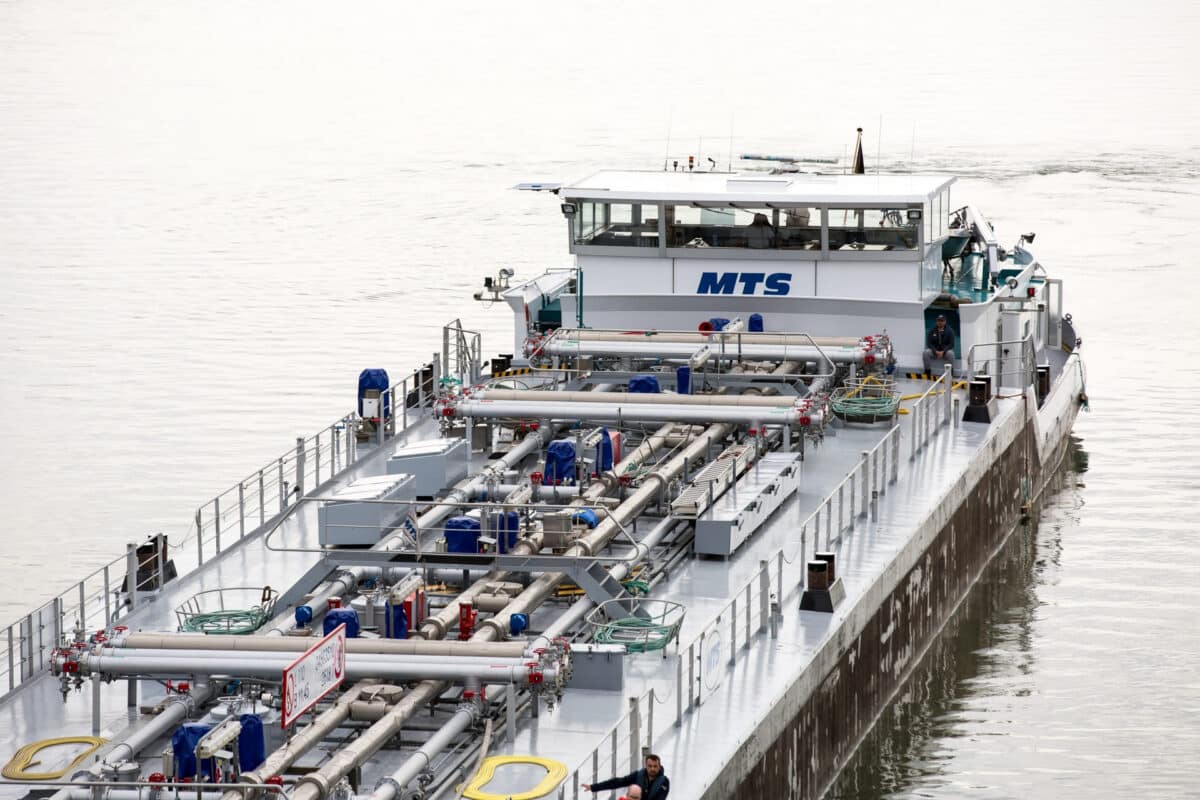
ARA Freight Market: Mid-Week Surge Bookends a Week of Two Halves


The ARA barge freight market delivered a week of striking contrasts, opening softly before surging dramatically mid-week and then retreating just as sharply into the close. A powerful mid-week revival in middle distillates activity drove volumes to their highest level in months, pushing freight rates upward across that segment. Light ends, however, told a different story throughout, continuing the softening trend carried over from the previous week, with demand remaining subdued and rates drifting lower across most sessions. By Friday, the market had returned to near-silence as operators settled their books ahead of the weekend and the upcoming public holiday period.


1. Freight Rates: Diverging Paths Across the Week

The week’s rate movements were shaped by a clear divergence between product segments, with middle distillates recovering strongly mid-week while light ends continued to soften. The day-by-day picture was as follows:

  • 20 April: Both product categories moved lower to open the week, continuing the downward trend from the previous Friday.
  • 21 April: Middle distillates edged marginally lower again across most routes, with Ghent routes holding flat. Light ends were unchanged, with operators reporting their fleets covered for the coming days and no urgency to fix additional business.
  • 22 April: A notable reversal. Middle distillates moved upward across all routes as operators capitalised on strong demand to secure higher levels. Light ends presented a more mixed picture, cross-harbour rates rose sharply, while other main ARA routes moved lower, resulting in offsetting adjustments.
  • 23 April: Middle distillates recorded only minor adjustments following the previous day’s broad gains, with rates broadly consolidating. Light ends remained unchanged due to insufficient liquidity, as few deals in that segment were concluded.
  • 24 April: All rates held flat across both product categories, with insufficient deal flow to drive any directional move. Most deals were concluded on a PJK, which does not indicate any fluctuations.

Takeaway: Middle distillates drove the week’s rate narrative, recovering meaningfully mid-week before consolidating. Light ends remained on the back foot throughout, with the absence of sustained demand keeping any recovery firmly out of reach.


2. Spot Activity: Surge Then Retreat

Volumes followed a dramatic arc across the week, peaking sharply mid-week before collapsing into the close. The session-by-session pattern was as follows:

  • 20 April: Activity rebounded from the previous Friday’s low, with light ends driving the bulk of the recovery. Barges moved mostly friction-free to terminals, with no waiting time issues reported.
  • 21 April: Volume climbed further, with overall activity described as calm but improving. Some middle distillate operators reported difficulty keeping their entire fleet occupied, with a number turning to contract work to fill capacity.
  • 22 April: The standout session of the week, reaching the highest volume recorded this month and the highest in nearly a month. Middle distillates dominated, with operators securing deals to cover their barges through the remainder of the week. Fewer operational issues at terminals also supported the step-up in activity.
  • 23 April: Volume surged further still, reaching the highest daily total since December Freighters encountered few problems securing employment, and no empty barges were reported in the distillates segment. Light ends, by contrast, remained largely absent from the day’s activity.
  • 24 April: Activity collapsed to the lowest daily volume of the month. Most operators had, already covered their requirements for the weekend and early the following week, leaving little appetite for additional spot fixing.

Takeaway: The mid-week and Thursday surge reflected operators front-loading their requirements ahead of the upcoming public holidays. The sharp Friday drop-off confirmed that once coverage was secured, spot demand evaporated quickly.


3. Product Dynamics: Distillates Lead, Light Ends Lag

Middle distillates

  • Opened the week on the back foot, with some operators reporting empty vessels, a sign of demand weakness not yet seen on the light ends side at that point.
  • Recovered strongly from Wednesday onwards, as charterers moved to cover requirements ahead of the upcoming Dutch public holidays, generating a concentrated burst of ULSD, gasoil, FAME, and HVO activity.
  • By Thursday, demand was strong enough for operators to secure employment for their fleets without difficulty, and no empty barges were reported in the segment.
  • Rates followed the activity trend, softening early in the week before recovering Wednesday, consolidating Thursday, and holding flat on Friday.

Light ends

  • Continued the softening trend carried over from the previous week, with demand described as generally lacking throughout.
  • Monday saw further rate declines extending the prior week’s downward move. Tuesday offered a brief pause with rates unchanged, before a mixed picture on Wednesday, cross-harbor rates rising while other routes dipped.
  • Thursday and Friday saw rates hold flat due to insufficient liquidity, masking the continued absence of meaningful spot demand in the segment.
  • Unlike middle distillates, light ends showed no evidence of pre-holiday front-loading activity.

Takeaway: The contrasting trajectories of the two segments reflect different underlying demand dynamics. Middle distillates benefited from a concentrated pre-holiday fixing rush, while light ends remained structurally subdued with no comparable catalyst to drive recovery.


Conclusion

The ARA barge freight market during 20–24 April was defined by a powerful but short-lived mid-week revival, driven almost entirely by middle distillates as charterers rushed to cover requirements ahead of the upcoming public holidays. Light ends remained largely sidelined throughout the period, with rates continuing to drift lower or hold flat in the absence of sustained demand. Friday’s sharp retreat to the month’s lowest volume level confirmed that the pre-holiday surge had largely exhausted near-term spot appetite. With Kings Day, Labor Day, and Liberation Day all falling within the next two weeks, market participation is set to reduce materially, and any meaningful rate direction is unlikely to emerge until normal trading conditions resume.

What’s next?

Are you ready to face your challenges head-on?

We now offer a FREE customized trial to our BargeINSIGHTS tool, an all-in-one platform for liquid bulk barge transport optimization.

With BargeINSIGHTS, you get instant insights into barge freight rates, bunker gas oil prices, water levels, vessel tracking, and barge availability—all in one place. No more time-consuming data collection; everything you need is at your fingertips.

Click here to schedule your demo and get access to BargeINSIGHTS for free!

Rhine Freight Market: Falling Water Levels Jolt Rates Mid-Week Before Market Settles


The Rhine barge freight market experienced a week of two distinct halves, bookended by near total inactivity at the start and close, but interrupted by a meaningful mid-week rate adjustment driven by rapidly falling water levels. Spot demand remained structurally suppressed throughout, with backwardation and competitive inland refinery pricing continuing to deter charterers from committing to additional barge imports. The decisive shift came on Wednesday, when the prospect of significantly reduced vessel intakes on the Upper Rhine prompted freighters to negotiate, and successfully secure, higher rates for most destinations. By the end of the week, the market had settled at its new, higher levels, with rates holding firm ahead of the upcoming public holiday period.


1. Freight Rates: Stable, Then Up, Then Stable Again

Rates were broadly unchanged for the first half of the week before a sharp upward revision on Wednesday, which then held through to the close. The day-by-day picture was as follows:

  • 20 April: All rates unchanged across all destinations. No deals or offers were registered, providing no impetus for any price movement in either direction.
  • 21 April: Rates again held flat, with only a marginal currency-driven adjustment to the Basel euro equivalent. A small number of deals were registered but not enough to drive any directional change.
  • 22 April: A decisive session. Activity picked up meaningfully, with freighters using the prospect of falling water levels to negotiate higher rates, largely successfully. Rates rose across most destinations, with Upper Rhine routes seeing the most significant upward adjustments.
  • 23 April: Rates largely consolidated at their new, higher levels. Frankfurt edged up marginally further, while most other destinations held flat.
  • 24 April: All rates held stable into the weekend close. Prices did not deviate from the previous session’s levels, with too few deals registered to move the market in either direction.

Takeaway: The week’s rate movement was entirely driven by the water level outlook rather than any improvement in underlying demand. Once the new levels were established on Wednesday, the market held firm, a sign that freighters retained pricing discipline even as spot activity remained thin.


2. Spot Activity: Bookended by Silence

Spot volumes were extremely low throughout the week, with the mid-week uptick driven by necessity rather than genuine demand recovery. The session-by-session picture was as follows:

  • 20 April: The quietest possible start, no deals or offers recorded at all. Freighters used the day to address scheduling disruptions carried over from the previous weekend. Terminal delays were reported at ARA terminals and at Gelsenkirchen.
  • 21 April: Barely any improvement, with only a handful of deals registered. Charterers continued to report no urgent need to commit to additional spot barges, citing adequate inland stock levels.
  • 22 April: The busiest session of the week, with a meaningful increase in deals concluded. Activity was driven by freighters rushing to fix cargoes ahead of anticipated intake restrictions, rather than by an organic uptick in import demand.
  • 23 April: Activity cooled again, with only a small number of deals registered. Operators reported limited inquiries and continued to rely on contract work to keep their fleets occupied. Terminal delays at Evos Amsterdam East and Chane Terminal Botlek added further operational friction.
  • 24 April: Spot business decreased further as most charterers had already covered their requirements for the coming days. Freighters similarly reported their fleets largely booked, leaving few barges available for prompt loading.

Takeaway: The mid-week activity uptick reflected defensive fixing ahead of intake constraints rather than genuine demand. The broader picture across the week was one of a market where spot business remains the exception rather than the rule.


3. Structural Drivers: Backwardation and Competing Supply Sources

Two persistent structural factors continued to suppress spot demand throughout the week, independently of the water level developments:

  • Despite sharp falls in Brent and gasoil prices the previous Friday, the gasoil market remained in backwardation, making stockbuilding unprofitable. Charterers therefore continued to limit barge imports to operational necessities only, with no financial incentive to move additional volumes.
  • Deals from German inland refineries, such as Karlsruhe, to inland depots were again reported during the week, highlighting that ARA-origin imports face meaningful competition from domestically sourced product.
  • Despite weak spot demand, the overall fleet utilization picture improved compared to the previous week. Fewer empty barges were reported, partly because falling water levels mean more vessels are needed to transport equivalent volumes, providing a degree of natural demand support even in a low-activity environment.

Takeaway: Until backwardation eases or the pricing advantage of inland refineries narrows, the structural ceiling on ARA barge spot demand is unlikely to lift materially.


4. Water Levels: The Week’s Dominant Theme

Falling water levels were the defining operational story of the week, shifting from a background concern to the primary driver of rate negotiations by Wednesday. The key developments were:

  • Maxau: Began the week at elevated but declining levels, with forecasts pointing to a continued drop through the weekend and into the following week. The anticipated level would meaningfully constrain vessel intakes for Upper Rhine and Swiss destinations.
  • Kaub: Also declining throughout the week, with forecasts suggesting a further drop to levels that would restrict intake capacity for vessels heading to upstream destinations. At such levels, reduced loading volumes become a near-certainty.
  • Lower Rhine: Measuring points such as Ruhrort remained at relatively higher levels throughout the week, meaning destinations including Duisburg and Dortmund remained largely unaffected by intake restrictions, a key reason why rate increases on Wednesday were concentrated on Upper Rhine routes.

Takeaway: The declining water level environment is a double-edged sword. It is supporting fleet utilisation and giving freighters pricing leverage on Upper Rhine routes, but it also introduces operational complexity and uncertainty around intake planning that will carry into the weeks ahead.


Conclusion

The Rhine barge freight market during 20–24 April was shaped by the intersection of persistent structural demand weakness and a sudden, water level-driven rate correction mid-week. Spot activity remained negligible for most of the period, with backwardation and competitive inland supply sources continuing to deter charterers from committing to additional imports. The decisive development was Wednesday’s rate increase across most Upper Rhine destinations, driven by freighters successfully leveraging the prospect of significantly reduced vessel intakes. That adjustment held through the remainder of the week, leaving the market in a notably firmer position than where it started. With several Dutch public holidays approaching and water levels set to continue declining, the combination of reduced market participation and tightening intake capacity is likely to keep the tone cautiously firm, even in the absence of any meaningful recovery in underlying demand.

What’s next?

Are you ready to face your challenges head-on?

We now offer a FREE customized trial to our BargeINSIGHTS tool, an all-in-one platform for liquid bulk barge transport optimization.

With BargeINSIGHTS, you get instant insights into barge freight rates, bunker gas oil prices, water levels, vessel tracking, and barge availability—all in one place. No more time-consuming data collection; everything you need is at your fingertips.

Click here to schedule your demo and get access to BargeINSIGHTS for free!
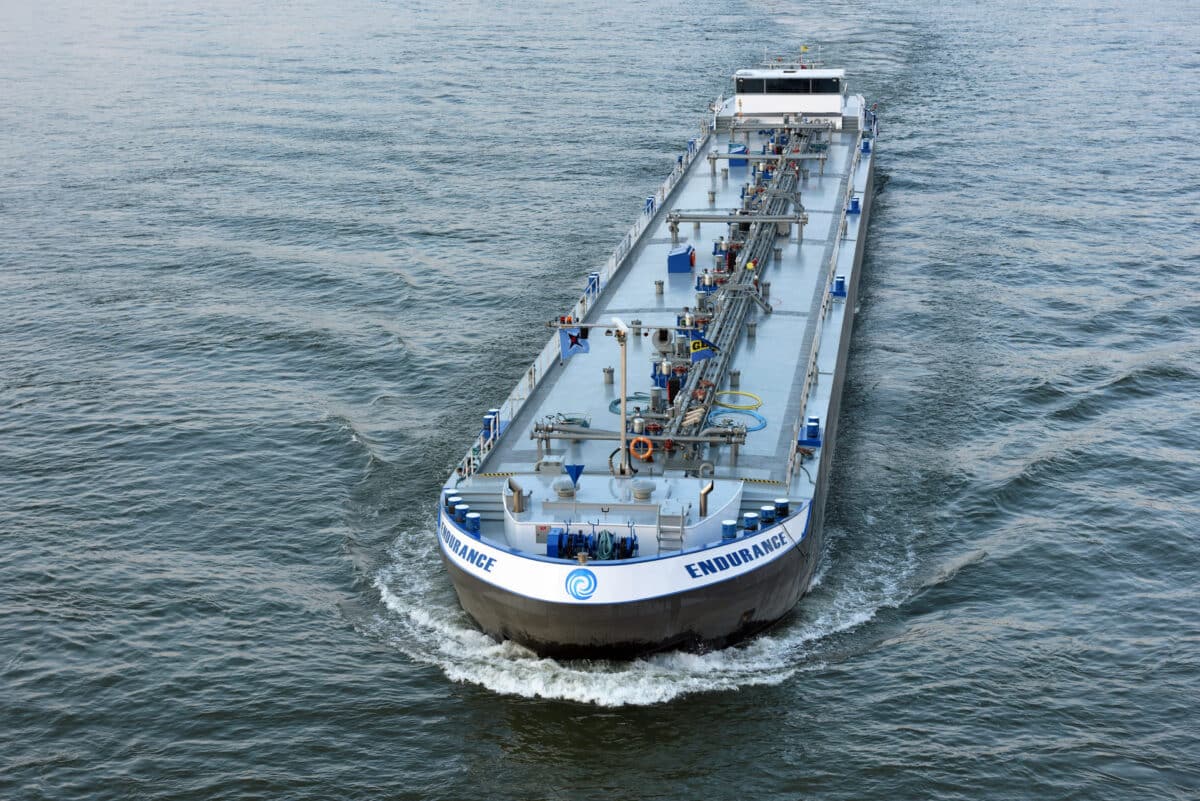
ARA Freight Market: Light Ends Soften as Week Closes on Subdued Note


The ARA barge freight market started the week with mixed signals before settling into a clear downward trend by the close of the period. The main driver of softness was the light ends segment, where excess vessel availability steadily eroded freight rates over successive sessions. Middle distillates, by contrast, proved resilient throughout the week, supported by low liquidity conditions that kept published rates anchored. As the week progressed, both volumes and sentiment declined, with Friday emerging as the quietest session of the period amid a notably bearish macro backdrop.


1. Freight Rates: Mixed Start, Gradual Decline

  • 14 April: The week opened with a relatively active session. Renewables such as FAME and HVO dominated the day’s fixtures, with middle distillates featuring to a lesser extent. Pricing was mixed across the board, deals at both higher and lower levels were registered, resulting in only minor rate adjustments. The overall tone was cautiously balanced, with neither side of the market exerting clear dominance.
  • 15 April: Activity eased slightly in what proved to be a notable session for light ends: no fixtures were registered in that segment, the first such occurrence in two months. Some barges, particularly in the light ends category, were reported as becoming available or already lying empty. Middle distillate deals were concluded predominantly at lower levels compared to the previous day, leading to a broad downward adjustment in published rates across most routes. Light-end rates remained unchanged in the absence of any price-forming transactions.
  • 16 April: Volume declined for a second consecutive session. In a notable reversal from the previous day, light ends returned as the primary driver of activity, while middle distillates saw limited new business. Despite the recovery in light-end fixture counts, excess vessel availability persisted across the ARA, forcing some operators to offer lower freight levels to secure employment. Light-end rates recorded a notable decline, while middle distillate rates held fully stable.
  • 17 April: Friday was the quietest session of the week. Light ends again accounted for the majority of the activity, with empty barges still being reported in both product categories. Adding to the cautious mood, crude oil prices fell sharply during the session, declining to levels not seen since early March. As demand to move product within the ARA remained weak and vessels were available for prompt loading, deals continued to be concluded at lower levels for light ends. Middle distillate rates remained stable, reflecting insufficient liquidity to drive any directional move.

Takeaway: Middle distillate rates held broadly stable across all four sessions, anchored by low liquidity. Light-end rates, by contrast, softened progressively from Wednesday through Friday as vessel oversupply and weak demand compounded across consecutive sessions.


2. Spot Activity: Volumes Decline Throughout the Week

  • Daily traded volumes followed a clear downward trajectory across the week.
  • Activity was highest at the start of the period, driven by renewables and some middle distillate interest.
  • As the week progressed, the number of fixtures contracted with each passing session, reaching its lowest point on Friday ahead of the weekend.
  • The broad decline in volumes was consistent with weak charterer urgency and a market where barge supply clearly outpaced demand.

Takeaway: The progressive volume decline signals a market where cargo demand failed to keep pace with barge availability, creating sustained downward pressure on rates as the week advanced.


3. Product Dynamics: Light Ends Under Pressure, Distillates Resilient

Middle distillates

  • Led activity on Tuesday, with renewables such as FAME and HVO, as well as ULSD and gasoil, all featuring prominently in the day’s fixtures.
  • Remained present through mid-week but with declining activity levels, and fixtures were frequently concluded on a PJK or lump-sum basis.
  • Recorded stronger increases later in the week, narrowing the gap with light ends.
  • The low liquidity flag was applied across most Flushing and Ghent routes throughout the week, keeping published rates unchanged and limiting price discovery.
  • Rates ended the week at broadly the same levels at which they started, reflecting a market in which insufficient deal flow prevented any directional movement.

Light ends

  • Tuesday (14 April): Light ends held flat for the day, with all published rates unchanged.
  • Wednesday (15 April): A complete absence of light-end fixtures left rates static, masking the underlying weakness building from barges reporting as empty and seeking employment.
  • Thursday (16 April): Light ends returned to the market but at weaker levels. Operators were required to offer more competitive freight to secure business, resulting in a notable downward adjustment across most routes.
  • Friday (17 April): Further softening was recorded across light-end routes as the trend from Thursday continued, with deals again concluded at lower levels amid persistent overcapacity and weak demand.

Takeaway: Light ends accumulated excess barge capacity over successive sessions, while middle distillate liquidity remained too thin to facilitate meaningful price discovery in either direction.


4. Operational Context: Oversupply and Oil Price Headwinds

  • Barge availability remained elevated throughout the week in both product segments, with empty vessels reported across the ARA and on Flushing and Ghent routes from mid-week onwards.
  • Demand for prompt tonnage was described as weak by operators, with competition for limited cargoes intensifying as the week progressed.
  • By Friday, overcapacity had extended into the middle distillates segment, though too few fixtures were concluded to register a change in published rates.
  • Crude oil prices fell sharply on Friday, reaching their lowest level in several weeks, adding a significant bearish macro undertone to the session.
  • A sustained decline in crude benchmarks risks a corresponding softening in refined product prices, which could further dampen charterer urgency and weigh on any near-term recovery in ARA barge freight rates.

Takeaway: The combination of structural vessel oversupply and an increasingly bearish macro environment creates a challenging backdrop for freight rate recovery heading into the following week.


Conclusion

The ARA barge freight market during 14–17 April was defined by a clear divergence between product segments and a sustained decline in traded activity through the week. Middle distillates remained anchored by low liquidity, holding published rates stable in the absence of sufficient deal flow. Light ends, however, experienced meaningful rate erosion as vessel availability continued to outpace demand across consecutive sessions. The week’s quietest session on Friday, set against a backdrop of sharply falling crude oil prices, casts a cautious outlook over the coming period.

What’s next?

Are you ready to face your challenges head-on?

We now offer a FREE customized trial to our BargeINSIGHTS tool, an all-in-one platform for liquid bulk barge transport optimization.

With BargeINSIGHTS, you get instant insights into barge freight rates, bunker gas oil prices, water levels, vessel tracking, and barge availability—all in one place. No more time-consuming data collection; everything you need is at your fingertips.

Click here to schedule your demo and get access to BargeINSIGHTS for free!
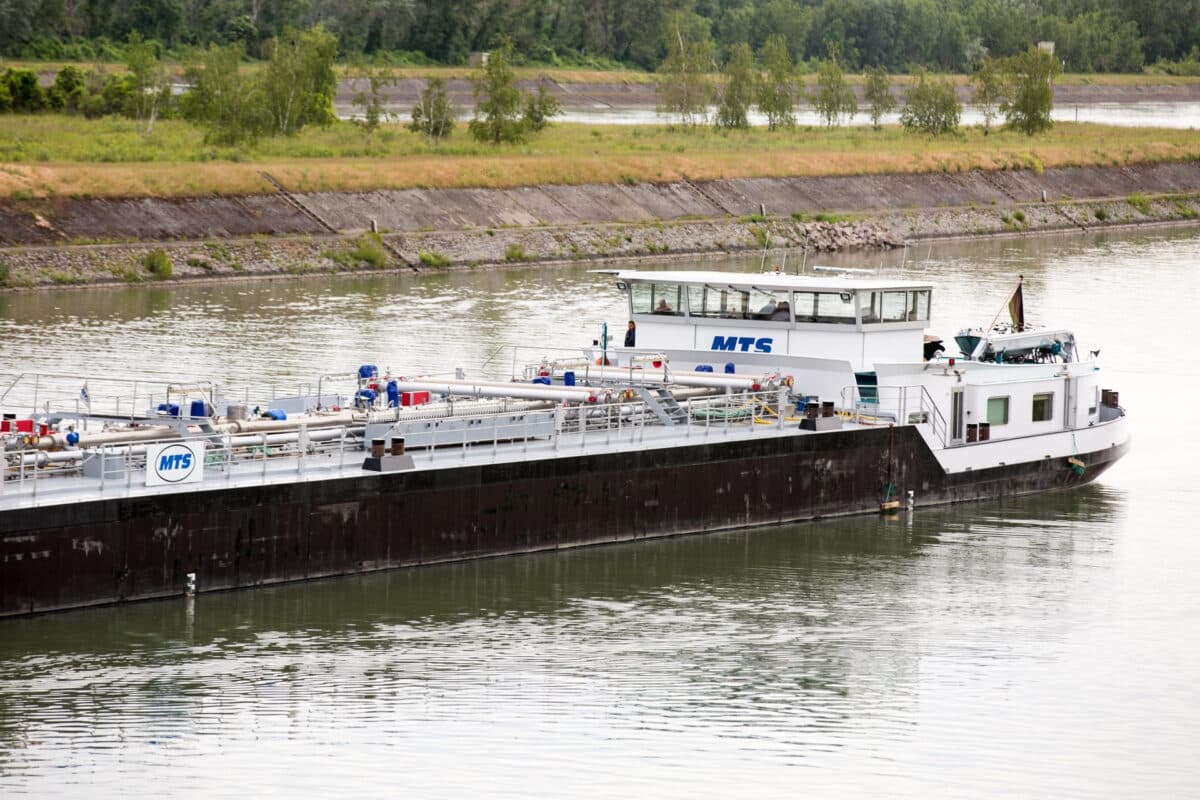
Rhine Freight Market: Stable Rates Mask Soft Demand as Week Ends in Silence


The Rhine barge freight market during 16–20 March was characterized by a calm but gradually tightening environment, where limited spot demand contrasted with emerging upward pressure on freight rates, particularly on the Upper Rhine. While activity remained subdued for most of the week, a combination of declining water levels and rising bunker costs began to shift pricing dynamics toward the end of the period.


1. Freight Rates: Quiet Start, Late-Week Upward Momentum

  • 16 March: The week opened in a very quiet market, with no deals reported and freight rates unchanged. Spot demand remained minimal, as traders avoided unnecessary movements amid volatile oil prices and backwardation. Contractual flows continued to support fleet utilization, preventing any downward pressure on rates.
  • 17 March: Activity increased slightly, though still at low levels. Despite weak spot demand, freight rates began to edge higher on Upper Rhine routes, supported by rising bunker prices and early signs of tightening intakes due to falling water levels. The broader market remained calm, with limited urgency among charterers.
  • 18 March: The market returned to a quieter tone, with only minimal deal activity. Freight rates were largely unchanged, although isolated adjustments were observed on longer-haul routes. Operators reported that most vessels were either on contract or temporarily out of the spot market for maintenance, limiting visible supply.
  • 19 March: Conditions remained stable and uneventful, with freight rates unchanged across most destinations. Despite rising oil prices and expectations of further water level declines, the absence of spot demand prevented any immediate repricing. The market appeared balanced, with few empty barges reported.
  • 20 March: The week ended with a notable uptick in activity and firmer pricing, marking the busiest session of the period. Multiple fixtures were concluded at higher levels, particularly on Upper Rhine routes. Declining water levels began to constrain intakes more visibly, while elevated product prices and backwardation continued to limit charterer urgency. The result was a slight upward adjustment in overall freight levels.

Takeaway: Freight rates followed a stable to gradually firmer then an upward adjustment trajectory, driven by cost and hydrological factors rather than demand growth.


2. Water Levels: Gradual Decline Reintroduces Constraints

Hydrology became increasingly relevant as the week progressed:

  • Maxau showed a steady downward trend, with forecasts indicating further declines into the following week.
  • Kaub also decreased, approaching levels where intake limitations begin to impact loading capacity.
  • While not yet critical, these developments reintroduced early-stage constraints on Upper Rhine logistics, supporting firmer pricing toward the end of the week.

Takeaway: This marked a subtle but important shift from previous weeks of comfortable water conditions.


3. Market Activity: Structurally Quiet but Operationally Supported

  • Spot activity remained consistently low throughout the week, with only a limited number of deals concluded on most days.
  • Charterers showed little urgency due to backwardation and high product prices, which discouraged discretionary movements.
  • Contractual employment continued to anchor fleet utilization, preventing oversupply despite weak spot demand.

Takeaway: Even on the busiest day, activity levels were modest in structural terms.


4. Operational Context: Costs and Contracts Shape Behavior

Operational dynamics played a key role:

  • Rising bunker prices, linked to geopolitical developments, increased voyage costs and supported higher freight levels.
  • Operators relied heavily on contract work to maintain utilization, reducing pressure to accept lower spot rates.
  • Some vessels were temporarily unavailable due to maintenance, slightly tightening effective supply.

Takeaway: Together, these factors shifted pricing power marginally back toward operators.


Conclusion

The Rhine barge freight market during 16–20 March demonstrated a gradual transition from stability to early-stage firmness. While spot demand remained subdued and charterer urgency limited, rising bunker costs and declining water levels began to reshape pricing dynamics, particularly on the Upper Rhine. A late week increase in activity confirmed this shift, with higher fixtures pushing freight rates upward despite an otherwise calm market environment. As water levels continue to trend lower and cost pressures persist, the Rhine market appears poised to move into a more structurally supported phase, even in the absence of strong demand growth.

What’s next?

Are you ready to face your challenges head-on?

We now offer a FREE customized trial to our BargeINSIGHTS tool, an all-in-one platform for liquid bulk barge transport optimization.

With BargeINSIGHTS, you get instant insights into barge freight rates, bunker gas oil prices, water levels, vessel tracking, and barge availability—all in one place. No more time-consuming data collection; everything you need is at your fingertips.

Click here to schedule your demo and get access to BargeINSIGHTS for free!