

ARA Freight Market: Higher Deal Count Fails to Halt Gradual Rate Softening


The ARA barge freight market during 26–30 January moved into a clear end-of-month consolidation phase. After the volatility and mid-January tightness seen earlier in the month, this week was characterized by moderating activity, easing freight sentiment, and a gradual unwinding of earlier rate support, particularly for middle distillates.

While operational delays continued to occupy operators, fresh demand thinned out, leaving the market increasingly driven by scheduling clean-up rather than new fixing interest.


1. Freight Rates: Stability Early, Followed by Late-Week Softening

  • 26 January: The week opened with largely stable freight rates. Activity was similar to the previous Friday, but charterer demand was described as limited, with most business focused on reorganizing delayed barges rather than booking new voyages. Minor technical adjustments were observed, but no clear directional move emerged.
  • 28 January: Midweek saw a pickup in trading volume, primarily driven by middle distillates. This supported continued firmness for distillate routes, while light-end freight remained broadly unchanged. Operators reported that schedules were tight into early the following week, limiting prompt availability despite relatively calm market conditions.
  • 29 January: Activity dropped sharply, falling to roughly half of the previous day’s volume. With barges already booked into mid-next week and little urgency from charterers, freight rates remained unchanged, reinforcing a sideways market tone.
  • 30 January: On the final trading day of the month, spot activity rebounded modestly as operators finalized schedules ahead of the weekend. However, middle distillate freight rates edged lower, reflecting improved barge availability and reduced competition for prompt cargoes. Light ends remained stable, with limited deal flow.

Takeaway: Freight rates followed a stable to firm and flat then to softer trajectory, with end-month dynamics weighing most heavily on middle distillates.


2. Spot Activity: Midweek Peak, Thin Finish

  • Activity started the week at moderate levels, largely driven by operational rearrangements.
  • 28 January marked the busiest session, with volumes supported by distillate demand and barges freeing up from discharge locations.
  • By 29 January, volumes fell sharply as fixing programs were largely complete.
  • 30 January saw a mild rebound, but overall activity remained subdued compared with mid-month levels.

Takeaway: This pattern highlighted the calendar-driven nature of the week, rather than a change in underlying demand.


3. Product Dynamics: Distillates Fade, Light Ends Hold Steady

Light ends

  • Activity remained low throughout the period.
  • Freight rates stayed broadly unchanged, with most deals concluded on a PJK or lump-sum basis, limiting price volatility.

Middle distillates

  • Supported midweek by increased volumes and tight operator schedules.
  • Lost momentum by Friday as availability improved and operators accepted lower levels to secure final end-month employment.

4. Operational Context: Delays Persist, But Pressure Eases

Operational challenges remained a consistent backdrop:

  • Ongoing terminal delays across ARA continued to complicate scheduling, with some operators reporting extended waiting times for delayed barges.
  • Despite this, overall barge availability improved toward the end of the week, particularly for middle distillates.
  • Heated barges for FAME were again noted as scarce, but this had limited impact on overall market pricing.


Conclusion

The ARA barge freight market during 26–30 January settled into a late-month holding pattern. After a brief midweek uplift in activity, demand faded quickly as January programs were finalized and charterers deferred new fixing into February. Freight rates reflected this transition, holding steady early in the week before softening slightly for middle distillates by Friday, while light ends remained largely unchanged. With operational pressures easing and barge availability improving, the market closed January balanced but cautious, awaiting clearer demand signals as February approaches.

What’s next?

Are you ready to face your challenges head-on?

We now offer a FREE customized trial to our BargeINSIGHTS tool, an all-in-one platform for liquid bulk barge transport optimization.

With BargeINSIGHTS, you get instant insights into barge freight rates, bunker gas oil prices, water levels, vessel tracking, and barge availability—all in one place. No more time-consuming data collection; everything you need is at your fingertips.

Click here to schedule your demo and get access to BargeINSIGHTS for free!
Rhine Freight Market: Improving Water Levels Shift the Balance Toward Softer Rates


The Rhine barge freight market during 2–6 February entered a clear transition phase, as improving water levels gradually eased the logistical pressure that had dominated much of January. While activity levels fluctuated throughout the week, the overall tone shifted from hydrology-driven firmness toward softer freight sentiment, particularly on Middle and Upper Rhine routes.

Charterers increasingly adopted a wait-and-see approach, anticipating higher intakes in the weeks ahead, while operators focused on contractual employment amid subdued spot demand.


1. Freight Rates: Early Stability Followed by Broad Softening

  • Early week (2 February): The market opened quietly, with freight rates largely unchanged across all destinations. Spot activity was minimal as charterers prioritized administrative month-start tasks and barge operators focused on rescheduling vessels delayed over the weekend. Limited deals were concluded mainly on a PJK basis, resulting in a sideways market.
  • Midweek (3–4 February): Activity picked up modestly, but pricing became more mixed. While some minor upward adjustments were seen on selected Lower Rhine routes, Middle and Upper Rhine destinations began to edge lower, reflecting improving water level expectations and limited prompt demand. Midweek sessions recorded several downward adjustments, confirming a softening trend.
  • Late week (5–6 February): Despite a higher number of concluded deals, freight rates declined further across most routes, particularly upstream. The increased deal count did not translate into stronger pricing, as charterers continued to show caution and operators accepted lower levels to secure employment. Only isolated routes registered marginal upward moves, insufficient to alter the broader downward direction.

Takeaway: Freight rates moved from stable to mixed and then softened, as improving hydrology eased earlier capacity constraints.


2. Water Levels: Gradual Improvement Changes Market Psychology

Hydrological developments were central to the shift in sentiment:

  • Maxau remained comfortably above critical thresholds and was forecast to stay relatively stable, supporting expectations of higher intakes on Upper Rhine voyages.
  • Kaub showed short-term volatility but with forecasts indicating potential recovery in the near term.
  • The prospect of a larger incoming wave later in February encouraged charterers to delay fixing, reducing urgency in the spot market.

Takeaway: As intake restrictions eased, operators lost some of the pricing power seen in January.


3. Market Activity: More Deals, Less Urgency

  • Activity was very limited at the start of the week, with only sporadic spot enquiries.
  • Midweek saw a modest recovery in deal count, driven by routine logistical movements rather than fresh demand.
  • By Friday, deal numbers increased further, but this reflected pricing acceptance rather than demand strength, underscoring a softer market environment.

Takeaway: Overall, activity improved in quantity but weakened in pricing influence.


4. Operational Context: Weather and Delays Remain a Factor

Operational conditions continued to shape trading behavior:

  • Ice and cold weather in northern and eastern Germany disrupted traffic in certain regions, limiting flexibility on some inland routes.
  • Terminal waiting times remained elevated, keeping barges occupied despite low spot demand.
  • Some operators increasingly preferred contractual work over spot exposure, reinforcing the subdued spot market tone.

Conclusion

The Rhine barge freight market during 2–6 February marked a turning point from January’s hydrology-driven tightness toward a more balanced, and increasingly softer, environment. Improving water levels reduced intake constraints and weakened freight sentiment, even as deal counts recovered later in the week. Charterers remained cautious, anticipating further hydrological improvement, while operators adjusted pricing to secure employment amid limited, prompt demand. As February progresses, the Rhine market appears poised to shift from logistics-led pricing toward a phase where demand visibility will play a more decisive role.

What’s next?

Are you ready to face your challenges head-on?

We now offer a FREE customized trial to our BargeINSIGHTS tool, an all-in-one platform for liquid bulk barge transport optimization.

With BargeINSIGHTS, you get instant insights into barge freight rates, bunker gas oil prices, water levels, vessel tracking, and barge availability—all in one place. No more time-consuming data collection; everything you need is at your fingertips.

Click here to schedule your demo and get access to BargeINSIGHTS for free!
ARA Freight Market: End-Month Calm as January Demand Clears and Rates Drift Lower


The ARA barge freight market during 26–30 January moved into a clear end-of-month consolidation phase. After the volatility and mid-January tightness seen earlier in the month, this week was characterized by moderating activity, easing freight sentiment, and a gradual unwinding of earlier rate support, particularly for middle distillates.

While operational delays continued to occupy operators, fresh demand thinned out, leaving the market increasingly driven by scheduling clean-up rather than new fixing interest.


1. Freight Rates: Stability Early, Followed by Late-Week Softening

  • 26 January: The week opened with largely stable freight rates. Activity was similar to the previous Friday, but charterer demand was described as limited, with most business focused on reorganizing delayed barges rather than booking new voyages. Minor technical adjustments were observed, but no clear directional move emerged.
  • 28 January: Midweek saw a pickup in trading volume, primarily driven by middle distillates. This supported continued firmness for distillate routes, while light-end freight remained broadly unchanged. Operators reported that schedules were tight into early the following week, limiting prompt availability despite relatively calm market conditions.
  • 29 January: Activity dropped sharply, falling to roughly half of the previous day’s volume. With barges already booked into mid-next week and little urgency from charterers, freight rates remained unchanged, reinforcing a sideways market tone.
  • 30 January: On the final trading day of the month, spot activity rebounded modestly as operators finalized schedules ahead of the weekend. However, middle distillate freight rates edged lower, reflecting improved barge availability and reduced competition for prompt cargoes. Light ends remained stable, with limited deal flow.

Takeaway: Freight rates followed a stable to firm and flat then to softer trajectory, with end-month dynamics weighing most heavily on middle distillates.


2. Spot Activity: Midweek Peak, Thin Finish

  • Activity started the week at moderate levels, largely driven by operational rearrangements.
  • 28 January marked the busiest session, with volumes supported by distillate demand and barges freeing up from discharge locations.
  • By 29 January, volumes fell sharply as fixing programs were largely complete.
  • 30 January saw a mild rebound, but overall activity remained subdued compared with mid-month levels.

Takeaway: This pattern highlighted the calendar-driven nature of the week, rather than a change in underlying demand.


3. Product Dynamics: Distillates Fade, Light Ends Hold Steady

Light ends

  • Activity remained low throughout the period.
  • Freight rates stayed broadly unchanged, with most deals concluded on a PJK or lump-sum basis, limiting price volatility.

Middle distillates

  • Supported midweek by increased volumes and tight operator schedules.
  • Lost momentum by Friday as availability improved and operators accepted lower levels to secure final end-month employment.

4. Operational Context: Delays Persist, But Pressure Eases

Operational challenges remained a consistent backdrop:

  • Ongoing terminal delays across ARA continued to complicate scheduling, with some operators reporting extended waiting times for delayed barges.
  • Despite this, overall barge availability improved toward the end of the week, particularly for middle distillates.
  • Heated barges for FAME were again noted as scarce, but this had limited impact on overall market pricing.


Conclusion

The ARA barge freight market during 26–30 January settled into a late-month holding pattern. After a brief midweek uplift in activity, demand faded quickly as January programs were finalized and charterers deferred new fixing into February. Freight rates reflected this transition, holding steady early in the week before softening slightly for middle distillates by Friday, while light ends remained largely unchanged. With operational pressures easing and barge availability improving, the market closed January balanced but cautious, awaiting clearer demand signals as February approaches.

What’s next?

Are you ready to face your challenges head-on?

We now offer a FREE customized trial to our BargeINSIGHTS tool, an all-in-one platform for liquid bulk barge transport optimization.

With BargeINSIGHTS, you get instant insights into barge freight rates, bunker gas oil prices, water levels, vessel tracking, and barge availability—all in one place. No more time-consuming data collection; everything you need is at your fingertips.

Click here to schedule your demo and get access to BargeINSIGHTS for free!
Rhine Freight Market: Activity Fades Toward Month-End as Water Levels Improve


The Rhine barge freight market during 26–30 January transitioned from a calm and operationally constrained start into an increasingly quiet, sideways market as the week progressed. While earlier January periods were dominated by falling water levels and intake restrictions, this week marked a shift in hydrological conditions, with improving water levels easing pressure on barge loadability, particularly toward the end of the week.

As a result, freight rates largely stabilized, and market activity declined sharply as January contract volumes were finalized and charterers postponed new fixing into February.


1. Freight Rates: Stable Across the Board, With Localized Adjustments

  • Early week: Freight rates opened the week unchanged, despite low deal counts. Ongoing terminal delays and full barge schedules limited spot fixing opportunities, keeping pricing steady rather than softer. Market participants noted that while some improvement in water levels was expected, uncertainty around longer-term forecasts discouraged aggressive repricing.
  • Midweek: With water levels improving, particularly upstream, intake possibilities increased, allowing some operators to offer slightly more flexible loading terms. This resulted in minor downward adjustments for Upper Rhine destinations, while Lower and Middle Rhine routes remained broadly unchanged.
  • End of week: Trading activity dropped to a minimum, with virtually no upstream spot deals concluded. Despite this lack of liquidity, freight rates remained sideways, reflecting a market that had already cleared its January demand and was awaiting a new direction in early February.

Takeaway: Freight rates moved from firm stability to sideways consolidation, as hydrological pressure eased and demand faded.


2. Water Levels: Improvement Brings Relief but Also Hesitation

Water levels showed a clear improving trend during the week:

  • Maxau surprised to the upside, remaining higher than forecast early in the week and easing concerns around Upper Rhine loadability.
  • Kaub gradually recovered, allowing higher intakes and reducing the urgency that characterized earlier weeks.
  • Forward forecasts suggested continued variability, preventing a decisive shift in sentiment.

Takeaway: While improved water levels removed upward pressure on freight rates, they also encouraged charterers to delay fixing, anticipating potentially softer conditions ahead.


3. Market Activity: Strongly Influenced by Calendar Effects

  • Spot activity was very limited at the start of the week, constrained by terminal congestion, weather-related delays, and already full schedules.
  • As the end of the month approached, activity declined further, with most January volumes already traded.
  • On 30 January, upstream spot activity effectively stalled, with operators focused on operational execution rather than new business.

Takeaway: The week highlighted how calendar positioning can suppress activity even when logistical conditions improve.


4. Operational Context: Delays Give Way to Scheduling Focus

Operationally, the market shifted gears:

  • Early-week delays, linked to cold weather, staff shortages, and terminal congestion, continued to affect barge turnaround times.
  • By mid-to-late week, these pressures eased, allowing operators to normalize schedules.
  • With fewer new enquiries, attention turned to managing existing voyages and preparing for February demand.

Conclusion

The Rhine barge freight market during 26–30 January entered a consolidation phase after weeks of hydrology-driven tightness. Improving water levels eased intake restrictions and removed upward pressure on freight rates, while end-of-month dynamics and completed contract volumes sharply reduced spot activity. Despite the lack of liquidity, rates held steady, reflecting balanced expectations rather than weakness. As the market moves into February, attention is likely to shift from water level risk toward demand visibility, with the next directional move dependent on whether improved hydrological conditions translate into renewed fixing interest.

What’s next?

Are you ready to face your challenges head-on?

We now offer a FREE customized trial to our BargeINSIGHTS tool, an all-in-one platform for liquid bulk barge transport optimization.

With BargeINSIGHTS, you get instant insights into barge freight rates, bunker gas oil prices, water levels, vessel tracking, and barge availability—all in one place. No more time-consuming data collection; everything you need is at your fingertips.

Click here to schedule your demo and get access to BargeINSIGHTS for free!

January 2026: A Volatile Start to the Year as Geopolitics Collide with Oversupply Risks


January 2026 opened with sharply contrasting market signals. While 2025 ended under the weight of oversupply concerns and falling prices, the new year quickly introduced renewed volatility driven by geopolitical risk premiums, winter demand dynamics, and tightening near-term crude balances. Across crude, products, and storage economics, January revealed a market caught between structural surplus expectations for 2026 and short-term disruptions that continue to support prices. For tank terminals, the month reinforced the importance of flexibility in an environment where sentiment can shift rapidly.


1. Crude Markets: Strong Monthly Rally Masks Structural Weakness

Brent crude staged a notable recovery during January, rising from around $61/bbl at the start of the month to $70.71/bbl by the end, marking its strongest monthly gain since January 2022. This rally was largely risk-driven, supported by escalating tensions between the US and Iran, rising military presence in the Middle East, and fears of disruption through the Strait of Hormuz, a key route for roughly 20% of global crude flows.

Despite this sharp move higher, underlying fundamentals remain fragile. Oversupply expectations for 2026 persist, with OPEC+ production increases still looming and global supply forecast to outpace demand once geopolitical risk premiums ease. This duality was reflected in the Brent forward curve, which stayed firmly in backwardation, but with spreads that are increasingly sensitive to sentiment rather than physical tightness.

Takeaway: The crude rally increased throughput incentives and short-term activity but did not materially change the longer-term outlook for storage demand.


2. Forward Curves: Backwardation Deepens on Risk, Not Fundamentals

January forward curves steepened sharply following the rise in spot prices. Middle distillates and crude showed stronger backwardation across the front of the curve, driven primarily by geopolitical uncertainty rather than tightening physical balances.

Key observations include:

  • Gasoil and jet fuel curves steepened as markets assessed the impact of sanctions on Russian product flows and potential supply disruptions.
  • Gasoline (RBOB) remained in contango across most tenors, reflecting seasonal demand softness and expectations of higher exports later in the year.
  • Fuel oil contango weakened, particularly in ARA, as lower export activity and reduced arbitrage opportunities led to declining stock levels.

Takeaway: Curve steepening increased prompt trading activity but continues to limit structural storage opportunities.


3. Storage Economics: Negative Across the Board, With Few Exceptions

Break-even (BE) storage rates throughout January remained predominantly negative, confirming that storage economics are still unattractive for most products.

Key BE signals:

  • LS gasoil and jet fuel: deeply negative across all tenors, reflecting strong backwardation.
  • Gasoline (RBOB/EBOB): short-term BE rates briefly turned positive, but longer tenors remained negative.
  • Fuel oil (HSFO/LSFO): hovered close to zero, representing the least negative segment but still insufficient to support large-scale storage plays.

Negative BE values indicate that forward prices do not compensate for storage costs, even under improved financing assumptions. Compared to late 2025, January showed marginal improvement, but not enough to materially change tank utilization strategies.

Takeaway: Storage remains largely throughput-driven, with limited incentive for long-term stockholding.


4. Product Cracks: Broad Weakness Despite Higher Crude Prices

Product crack spreads came under pressure during January as crude prices outpaced product markets. This resulted in a broad weakening of refinery margins, particularly in Northwest Europe.

Key developments include:

  • Diesel and gasoil cracks declined further on ample supply and fading inland demand.
  • Gasoline cracks weakened despite higher blending activity, as local demand remained subdued.
  • Jet fuel cracks stayed relatively elevated but showed signs of topping out.
  • Fuel oil cracks remained negative, though slightly less pressured than earlier months.

European refinery margins deteriorated, with Brent cracking margins moving toward breakeven and hydro skimming margins firmly negative. This reduced refinery run incentives and contributed to calmer product flows later in the month.

Takeaway: Softer cracks translated into more predictable flows and fewer abrupt inventory swings.


5. Global Stocks: Mixed Trends, ARA Remains Well Supplied

Global oil stock data for January highlights diverging regional trends:

  • US Gulf Coast: light ends and middle distillates trended higher, supported by mild winter demand and strong production.
  • ARA: overall stocks remained rather comfortable, with light ends stable, middle distillates slightly declining, and heavy products broadly flat.
  • Singapore: heavy and light-end stocks rose, pointing to weaker regional demand.
  • Fujairah: stocks declined across several product groups, reflecting tighter barge scheduling and reduced inflows.

From an ARA standpoint, inventory levels did not indicate stress. Instead, stocks remained within historical ranges, reinforcing the view that supply availability is currently adequate despite elevated prices.

Takeaway: Stock stability supports continued hub relevance, but without triggering storage-driven congestion.


Conclusion

January 2026 demonstrated how quickly market sentiment can shift when geopolitical risks collide with structurally oversupplied fundamentals. While crude prices rallied sharply and backwardation intensified, these moves were largely driven by risk premiums rather than tightening physical balances. Storage economics remained negative across most products, refinery margins weakened, and ARA stock levels stayed broadly comfortable. For tank terminals, January reinforced a familiar theme: operational focus remains firmly on throughput and flexibility rather than long-term storage plays. As the year progresses, the key question will be whether geopolitical tensions continue to support prices, or whether underlying oversupply ultimately reasserts itself and reshapes market dynamics later in 2026.


What’s next?

Are you ready to face your challenges head-on?

We now offer a FREE customized trial to our BargeINSIGHTS tool, an all-in-one platform for liquid bulk barge transport optimization.

With BargeINSIGHTS, you get instant insights into barge freight rates, bunker gas oil prices, water levels, vessel tracking, and barge availability—all in one place. No more time-consuming data collection; everything you need is at your fingertips.

Click here to schedule your demo and get access to BargeINSIGHTS for free!
ARA Freight Market: Light Ends Lead Midweek Surge as Barge Availability Tightens


The ARA barge freight market experienced a distinctly dynamic week from 19 to 23 January, characterized by alternating momentum and a clear divergence between product groups. While the week opened calmly, midweek saw a sharp acceleration in activity, driven primarily by light ends demand and temporary tightening in barge availability. By Friday, the market had stabilized again, with rates holding firm after absorbing the surge in volumes.

Overall, the week illustrated a market that remains highly responsive to short-term availability and terminal logistics, rather than underpinned by sustained demand growth.


1. Freight Rates: Light Ends Strengthen, Distillates Largely Stable

  • 19 January: The week began on a measured and orderly note. Middle distillate freight rates remained broadly stable, with most deals concluded on a PJK basis. In contrast, light ends already showed early signs of strength, supported by modestly higher fixing levels and active enquiries.
  • 20 January: Freight rates adjusted selectively. Middle distillates edged slightly lower on some routes as availability improved, while light ends retained their firmer tone, widening the gap between the two product groups.
  • 21 January: The market reached its most active point of the week. Spot volumes surged past the psychological level of 100 kton, and freight rates increased for both product groups, with light ends leading the move. Temporary scarcity of suitable barges allowed operators to push rates higher, while some offers were rejected due to full schedules.
  • 22 January: Following the previous day’s surge, activity dropped sharply. Despite lower volumes, light-end rates remained supported, as many operators were already booked into the following week. Middle distillates saw limited movement, reinforcing a sideways trend.
  • 23 January: The week closed with moderately improved activity and broadly unchanged freight rates. With most new deals concluded on a PJK basis and barge availability constrained until mid-next week, pricing stabilized across all routes.

Takeaway: Freight rates followed a stable to divergent and firm sideways trajectory, with light ends clearly setting the tone.


2. Spot Activity: Sharp Midweek Peak, Rapid Cooldown

  • Activity started the week at solid but unspectacular levels.
  • A significant midweek spike occurred on 21 January, driven by light ends demand, blending activity, and ongoing terminal delays.
  • Volumes fell back sharply on 22 January before recovering modestly on Friday.

Takeaway: This pattern highlights the event-driven nature of the ARA spot market, where short-lived disruptions can trigger outsized reactions.


3. Product Dynamics: Gap Between Light Ends and Distillates Widens

Light ends

  • Consistently outperformed middle distillates throughout the week.
  • Benefited from export-related blending activity and terminal delays, particularly in Amsterdam.
  • Encountered periods of barge scarcity midweek, enabling higher pricing.

Middle distillates

  • Remained comparatively stable.
  • Activity increased midweek but did not translate into sustained upward rate pressure.
  • Many fixtures were concluded on PJK or lump-sum basis, muting price volatility.

4. Operational Context: Delays and Scheduling Constraints Drive Pricing

Operational factors played a decisive role:

  • Persistent terminal delays at locations including Amsterdam and Botlek disrupted planning and reduced flexibility.
  • A large share of the fleet became fully scheduled into the following week, limiting spot availability even as activity dipped.
  • Operators prioritized schedule integrity over aggressive pricing once midweek demand was absorbed.


Conclusion

The ARA barge freight market during 19–23 January was shaped by short-term tightening rather than structural change. After a calm start, a sharp midweek surge, driven primarily by light ends demand and temporary barge scarcity, pushed freight rates higher and briefly tightened the market. Once this demand was absorbed, activity cooled quickly, but pricing remained supported due to constrained availability and full forward schedules. The week ultimately closed in balance, with light ends maintaining a premium over middle distillates and the ARA market once again demonstrating its sensitivity to operational disruption rather than sustained demand shifts.

What’s next?

Are you ready to face your challenges head-on?

We now offer a FREE customized trial to our BargeINSIGHTS tool, an all-in-one platform for liquid bulk barge transport optimization.

With BargeINSIGHTS, you get instant insights into barge freight rates, bunker gas oil prices, water levels, vessel tracking, and barge availability—all in one place. No more time-consuming data collection; everything you need is at your fingertips.

Click here to schedule your demo and get access to BargeINSIGHTS for free!
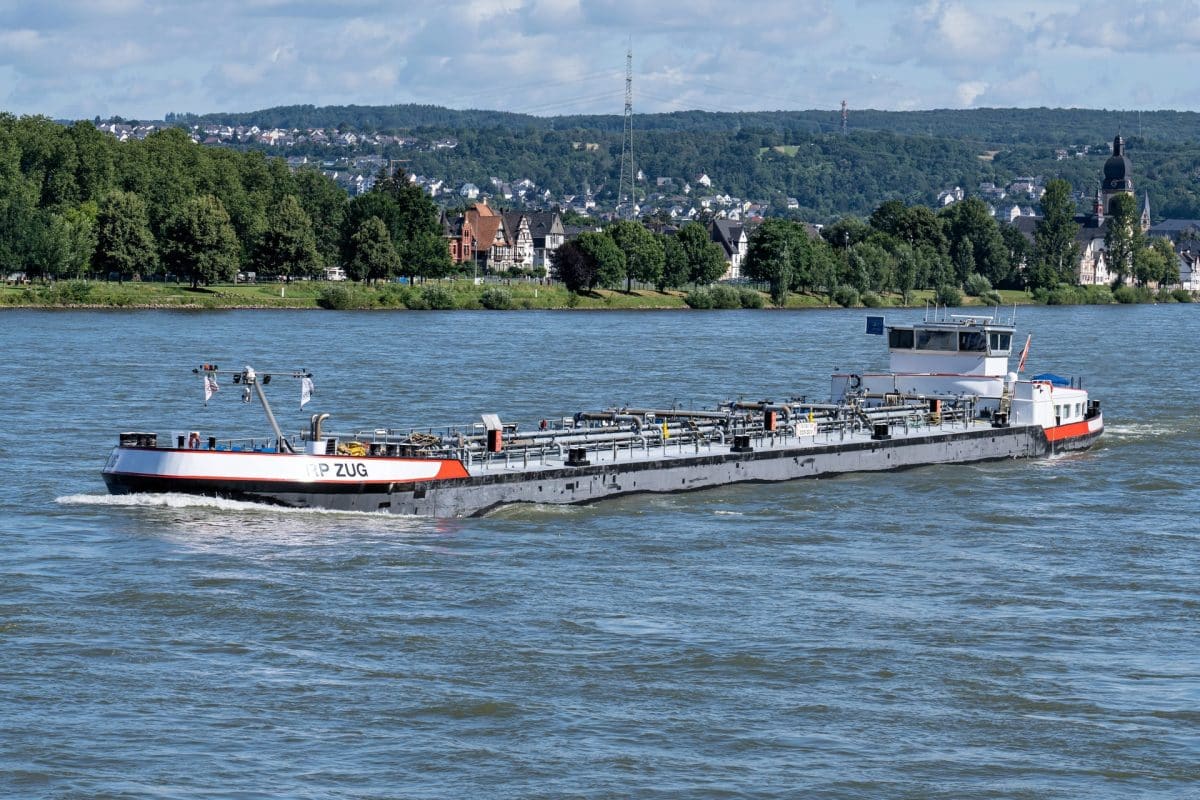
Rhine Freight Market: Hydrology-Driven Firmness Peaks Midweek Before Market Pauses


The Rhine barge freight market during 19–23 January displayed a clear two-phase pattern: an active and increasingly firm start driven by falling water levels, followed by a pronounced slowdown as charterers stepped back and operators shifted focus to keeping the fleet running rather than new fixing. Throughout the week, restricted intakes on the Middle and Upper Rhine remained the dominant driver of freight sentiment, outweighing fluctuations in demand.


1. Freight Rates: Early Firming Gives Way to Sideways Movement

  • 19 January: The week opened with rising activity and firming freight sentiment, particularly for Upper Rhine destinations. Falling water levels translated into lower intakes, pushing operators to seek higher compensation for reduced cargo sizes. Charterers showed less appetite for prompt Upper Rhine movements as rates climbed, reinforcing the hydrology-led nature of the move.
  • 20 January: Freight rates increased further across Middle and Upper Rhine routes, supported by stronger late-day interest leading to a widening pricing gap between Swiss destinations and other locations. Operators increasingly prioritized longer-haul voyages upstream, while German and French routes saw comparatively less spot activity.
  • 21 January: Despite a slight slowdown in charterer enquiries, rates continued to edge higher on most routes, as ongoing delays and further intake restrictions tightened effective capacity. Scheduling difficulties, caused by terminal congestion along the Rhine and in ARA, kept operators busy and supported firmer pricing.
  • 22 January: Freight rates strengthened again on Upper Rhine routes, even as charterers became more hesitant and preferred to wait for forecasted higher water levels later in the following week. Backwardation in gasoil markets discouraged stockpiling, but intake restrictions continued to outweigh softer demand.
  • 23 January: The market cooled markedly. With most weekly volumes already covered and many barges fully booked into the following week, freight rates moved sideways, pausing after several days of incremental gains. Expectations of rising water levels contributed to a wait-and-see attitude.

Takeaway: Freight rates followed a firm to firmer then a sudden pause trajectory, driven almost entirely by water level constraints rather than demand growth.


2. Water Levels: Persistent Pressure, Hopes of Relief

Water levels shaped every trading decision during the week:

  • Kaub and Maxau trended steadily lower, further restricting intakes for 110-metre barges and keeping loadings well below normal levels for this time of the year.
  • By Friday, forecasts pointed to a potential uptick in water levels in the following week, prompting some charterers to delay fixing and easing immediate rate pressure.

Takeaway: This evolving outlook explains why the market firmed early, then stalled.


3. Market Activity: Busy Start, Quiet Finish

  • Activity was robust at the beginning of the week, with numerous renominations and operational adjustments caused by earlier delays in ARA and along the Rhine.
  • Midweek participation remained healthy but increasingly selective, as higher freight levels discouraged discretionary movements.
  • By 23 January, spot activity dropped sharply, reflecting a market that had largely completed its fixing program for the days to come.

4. Operational Context: Delays and Planning Complexity

Operational factors amplified the impact of low water levels:

  • Delays at terminals in Antwerp, Amsterdam, Bottrop, and along the Rhine complicated voyage planning and extended turnaround times.
  • Operators spent much of the week managing schedules and delayed barges, reducing focus on chasing new spot business.
  • Some market participants increasingly favored inland loading and downstream/domestic trips to limit exposure to congestion and intake risk.

Conclusion

The Rhine barge freight market during 19–23 January was a textbook example of a hydrology-driven tightening phase. Falling water levels on the Middle and Upper Rhine restricted intakes and steadily pushed freight rates higher through midweek, even as demand softened and charterers grew cautious. Once most weekly volumes were secured and forecasts hinted at improving river conditions, activity dropped sharply, and rates stabilized. The market closed the week firm but paused, with the next directional move likely to depend less on demand and more on whether the anticipated water level recovery materializes.

What’s next?

Are you ready to face your challenges head-on?

We now offer a FREE customized trial to our BargeINSIGHTS tool, an all-in-one platform for liquid bulk barge transport optimization.

With BargeINSIGHTS, you get instant insights into barge freight rates, bunker gas oil prices, water levels, vessel tracking, and barge availability—all in one place. No more time-consuming data collection; everything you need is at your fingertips.

Click here to schedule your demo and get access to BargeINSIGHTS for free!
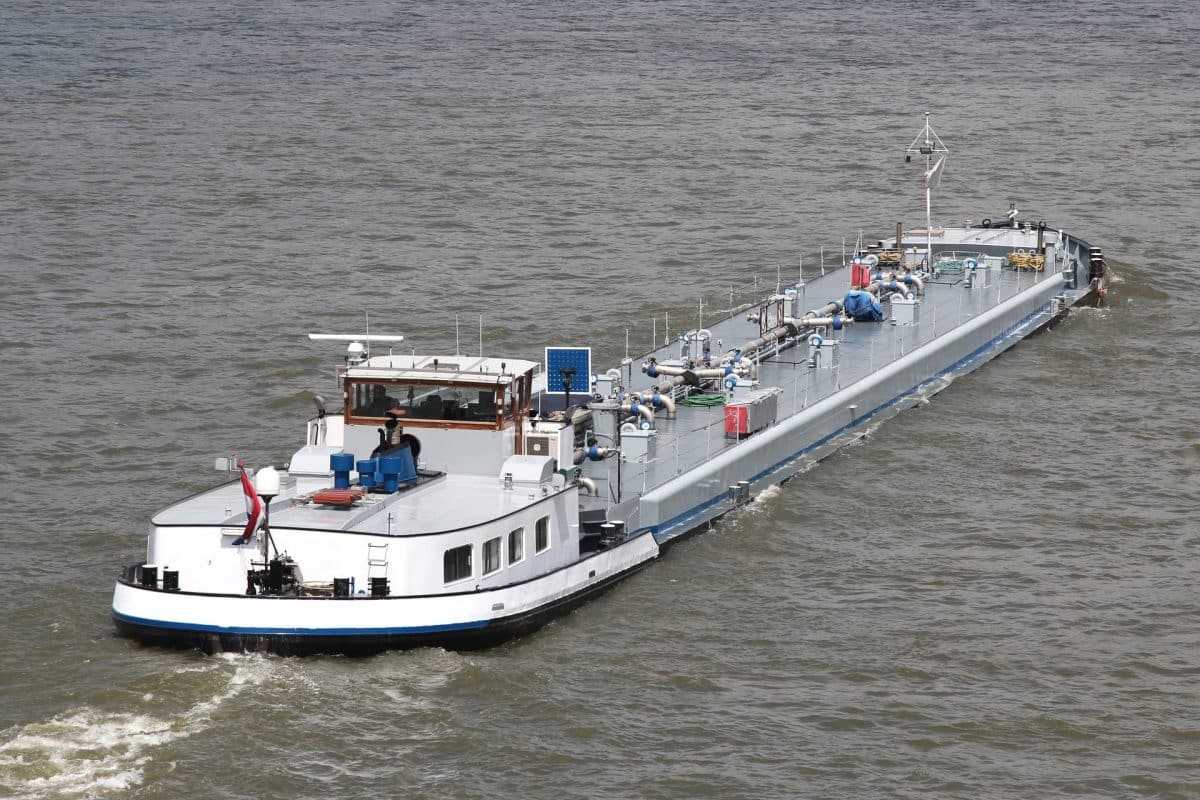
ARA Freight Market: Mid-January Activity Surge Brings Short-Lived Firmness Before Stabilization


The ARA barge freight market during 12–16 January transitioned from a cautious start into one of the most active weeks of the young year, before settling back into a more balanced state by Friday. Strong midweek volumes, driven by ICE-related positioning and renewed distillate flows, briefly tightened barge availability and lifted freight sentiment. However, this support proved temporary, as improved vessel positioning and the conclusion of urgent business brought rates back into line by the end of the week.


1. Freight Rates: Early Softness, Midweek Firming, Late-Week Balance

  • 12 January: The week opened on a soft note, with middle-distillate freight rates edging lower amid low spot liquidity and widespread terminal delays. Light ends saw little activity and insufficient liquidity to influence pricing meaningfully.
  • 13 January: Activity picked up sharply, and middle-distillate rates increased across nearly all ARA, Flushing, and Ghent routes. ICE gasoil expiry stimulated distillate trading, while light ends remained thinly traded, limiting price impact for that segment.
  • 14 January: The market remained active, and freight rates firmed further for middle distillates, supported by strong volumes and tighter near-term availability. Light ends were more active in volume but largely fixed on a PJK basis, resulting in stable published levels.
  • 15 January: Spot volumes surged to the highest level of the week, marking the first three-digit daily total of the year. Light ends showed signs of strengthening, while middle-distillate rates held broadly stable as most urgent demand had already been absorbed.
  • 16 January: The week ended quietly. Activity halved compared to the previous day, and freight rates stabilized across most routes, with only minor technical adjustments linked to parcel sizes and deal structure rather than market direction.

Takeaway: Freight rates followed a soft to firm then to flat pattern, with midweek tightness proving transitory.


2. Spot Activity: Strong Midweek, Calm Finish

  • Volumes were below average on 12 January, reflecting delayed start-of-week engagement.
  • 13–15 January saw a powerful rebound, with daily volumes rising sharply and peaking above the psychological 100-kton mark on Thursday.
  • By 16 January, activity dropped significantly as operators focused on weekend scheduling rather than new fixing.

Takeaway: This pattern underscores how calendar effects and ICE positioning, rather than sustained demand growth, drove the midweek surge.


3. Product Dynamics: Distillates Drive the Market, Light Ends Follow

Middle distillates

  • Led the midweek rally in both volume and pricing.
  • Benefited from ICE-related trading and tighter availability early in the week.
  • Stabilized once urgent demand was cleared.

Light ends

  • Initially quiet, then increasingly active later in the week.
  • Pricing responded more cautiously, with many deals concluded on PJK or lump-sum basis.
  • Showed modest strengthening on Thursday before flattening again.

4. Operational Context: Delays, Renominations, and Absorption of Supply

Operational factors played a supporting role:

  • Terminal delays at Amsterdam Eurotank, Standic Dordrecht, and Vesta Flushing early in the week caused renominations and temporarily reduced flexibility.
  • By midweek, operators reported limited remaining capacity, especially for prompt distillate movements.
  • As the week progressed, improved vessel positioning absorbed the earlier tightness, restoring balance by Friday.


Conclusion

The ARA barge freight market during 12–16 January showcased a short but pronounced mid-January tightening phase, driven by ICE-related distillate activity and a sharp rise in spot volumes. Freight rates firmed accordingly, particularly for middle distillates, before stabilizing as urgent demand was satisfied and vessel availability improved. By week’s end, the market had returned to equilibrium, with rates reflecting operational normalization rather than structural tightness, suggesting that any further movement will depend on sustained demand rather than calendar-driven surges.

What’s next?

Are you ready to face your challenges head-on?

We now offer a FREE customized trial to our BargeINSIGHTS tool, an all-in-one platform for liquid bulk barge transport optimization.

With BargeINSIGHTS, you get instant insights into barge freight rates, bunker gas oil prices, water levels, vessel tracking, and barge availability—all in one place. No more time-consuming data collection; everything you need is at your fingertips.

Click here to schedule your demo and get access to BargeINSIGHTS for free!
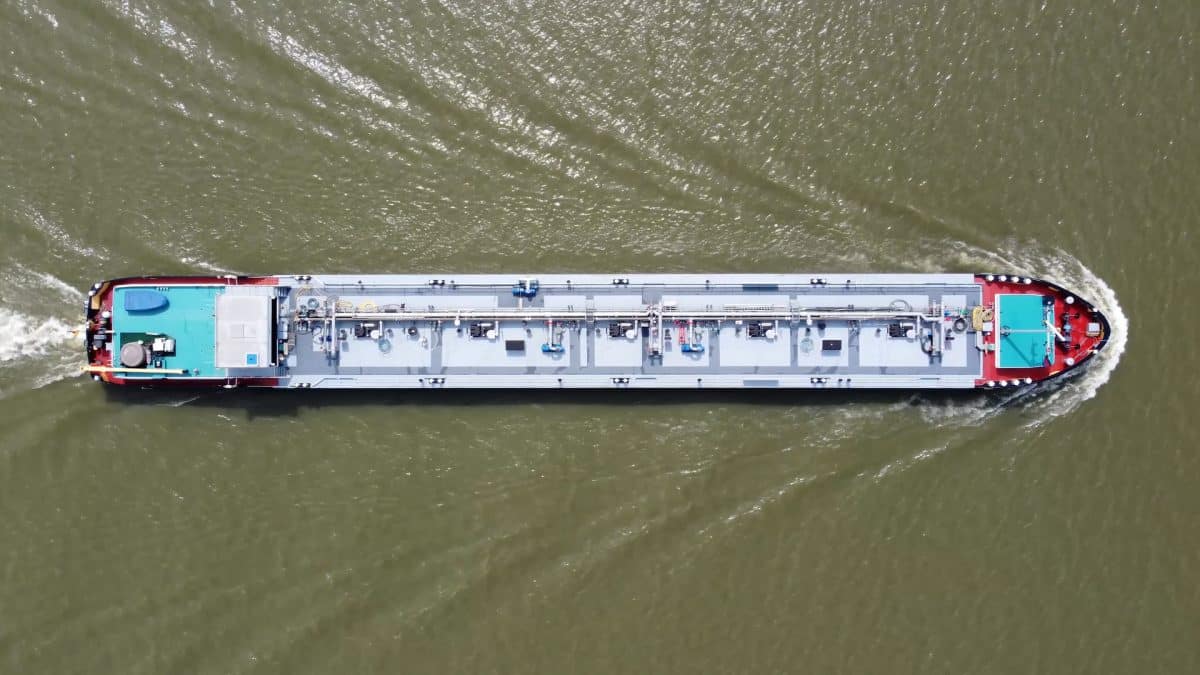
Rhine Freight Market: Persistent Low Water Levels Drive Gradual Rate Increases


The Rhine barge freight market during 12–16 January continued to be dominated by hydrological constraints, with persistently low water levels shaping both operational decisions and freight sentiment. While overall activity fluctuated through the week, the structural tightening caused by reduced intakes led to incremental freight rate increases, particularly for Middle and Upper Rhine destinations.

The week illustrated a market that is not demand-led, but logistics-led, where pricing strength stems from capacity constraints rather than cargo urgency.


1. Freight Rates: Stepwise Increases as Intake Restrictions Deepen

  • 12 January: Freight rates were mostly stable. Spot activity was healthy, but charterers remained cautious, waiting for clarity on water levels. With intakes already restricted, rates held firm.
  • 13–14 January: As water levels were forecast to drop further, Upper Rhine routes saw rate increases. Lower Rhine destinations stayed mostly unchanged. Operators successfully negotiated higher rates to offset reduced intake volumes.
  • 15–16 January: Spot activity slowed, but rates firmed further, particularly on Middle Rhine and Basel routes. Reduced weekend and forward loadings drove higher pricing, even as deal numbers fell.

Takeaway: Freight rates rose gradually, driven by intake limitations rather than demand.


2. Water Levels: Structural Constraint Remains in Place

Hydrological conditions remained the central market driver:

  • Kaub stayed around the mid-150 cm range for most of the week, limiting intake volumes and forcing nominations well below full barge capacity.
  • Maxau trended lower throughout the week and was forecast to drop below key psychological thresholds in the following days, adding further uncertainty for Upper Rhine logistics.
  • Forecasts showed little to no precipitation, reinforcing expectations of continued restrictions into the following week.

Takeaway:  Intakes were commonly reduced to 1,000–1,200 tons, significantly affecting voyage economics.


3. Market Activity: Uneven Participation, Fewer Deals Late Week

  • Early in the week, activity was stronger as charterers adjusted to post-holiday logistics.
  • Midweek activity remained steady, driven by necessity rather than discretionary flows.
  • By Thursday and Friday, deal numbers dropped sharply as many barges were already scheduled.

Takeaway: Even with fewer deals, freight sentiment stayed firm due to tight effective capacity.


4. Operational Context: Tight Scheduling and Risk-Priced Freight

Operationally, the market reflected a cautious but firm stance:

  • Limited barge availability reflected scheduled fleets rather than a lack of vessels.
  • Operators priced freight to manage revenue risk from restricted intakes and longer turnaround times.
  • Forward loadings indicated expectations of continued firmness if water levels remained low.

Conclusion

From 12–16 January, the Rhine barge market showed that hydrology, not demand, drives freight dynamics. Low water levels restricted barge intakes, gradually tightening effective capacity and supporting higher freight rates. Spot activity became more selective late in the week, while operators continued to price in logistical risk. With little immediate relief in forecasts, the market remained structurally tight upstream, setting the stage for a firm start to the second half of January.

What’s next?

Are you ready to face your challenges head-on?

We now offer a FREE customized trial to our BargeINSIGHTS tool, an all-in-one platform for liquid bulk barge transport optimization.

With BargeINSIGHTS, you get instant insights into barge freight rates, bunker gas oil prices, water levels, vessel tracking, and barge availability—all in one place. No more time-consuming data collection; everything you need is at your fingertips.

Click here to schedule your demo and get access to BargeINSIGHTS for free!
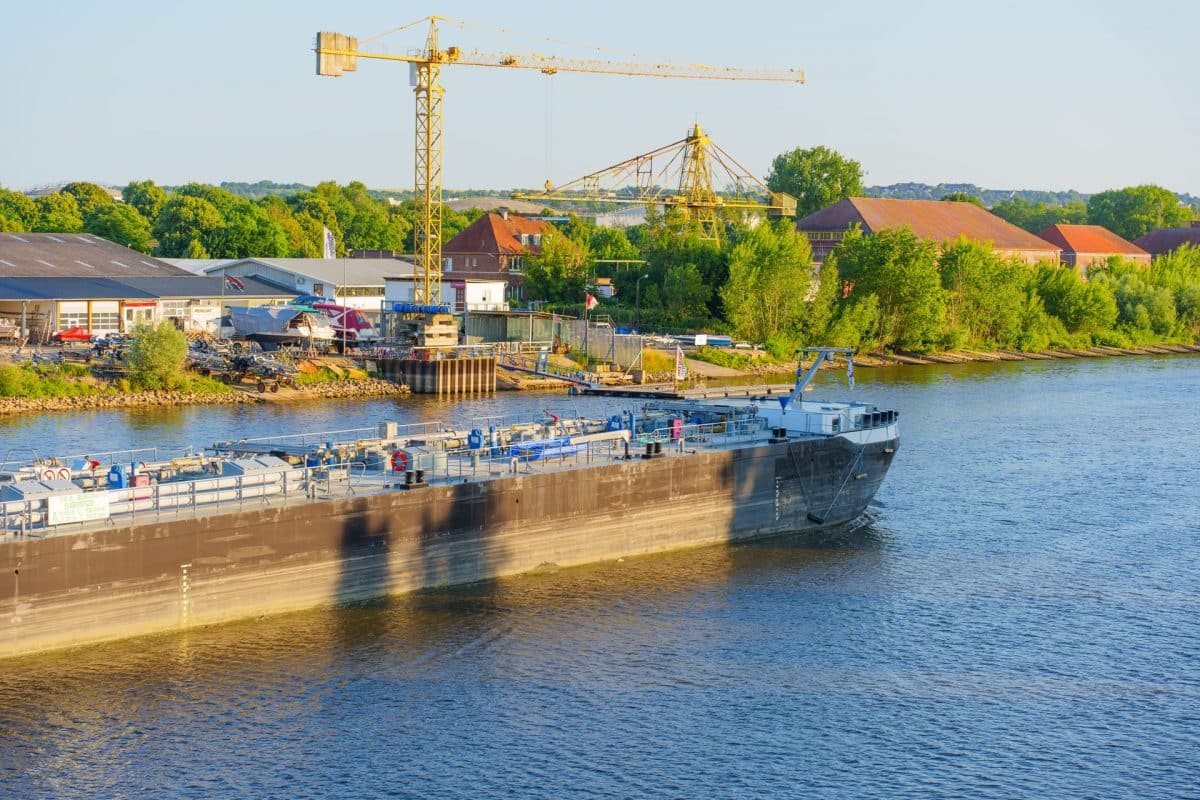
ARA Freight Market: Early-January Rebalancing Brings Volatility Before Stabilization


The ARA barge freight market during 5–9 January reflected a classic post-holiday rebalancing phase, with fluctuating activity levels, alternating rate pressure, and a gradual move toward equilibrium by the end of the week. After an initially soft reopening, midweek activity accelerated sharply before easing again as barge availability and demand found better alignment.

Overall, the market transitioned from oversupplied and price-sensitive conditions toward a more balanced state, particularly for middle distillates.


1. Freight Rates: Early Softness, Midweek Divergence, Late Stabilization

  • 5 January: The market reopened quietly. Freight rates showed small mixed adjustments, with minor upward and downward movements reflecting low liquidity and cautious fixing behavior. Most business was concluded on a PJK B/L basis, signaling unclear direction.
  • 6 January: Weak demand and growing barge availability led to broad rate softening across both middle distillates and light ends. Operators accepted lower levels to keep vessels employed, despite ongoing terminal delays and rising demand for heated barges.
  • 7 January: Market sentiment improved markedly. Spot volumes surged, and the balance between barge supply and demand was widely described as well-matched.
  • 8 January: Activity remained solid but began to cool. With many barges already booked, deals were concluded at slightly lower average levels, resulting in small downward corrections across both product groups.
  • 9 January: The week closed on a stable note. Freight rates were largely unchanged, with only marginal adjustments for light ends, while middle distillates held steady. The market finished the week calm and orderly, with no signs of immediate imbalance.

Takeaway: Freight rates moved from a larger gap between distillates and light ends, to a narrow gap, reflecting the market’s process of recalibrating after the holidays.


2. Spot Activity: Strong Midweek Rebound

  • Activity was modest on 5–6 January, as charterers cautiously re-entered the market.
  • 7 January marked a turning point, with volumes nearly tripling compared to the previous day, driven by renewed fixing interest and a more even supply-demand balance
  • Volumes remained healthy on 8–9 January, though slightly lower as many barges were already fixed and charterers completed their immediate requirements

Takeaway: The volume pattern underscored that logistics normalization, rather than consumption growth, was driving early-January activity.


3. Product Dynamics: Light Ends More Reactive Than Distillates

Middle distillates

  • Displayed relative stability by the end of the week.
  • Briefly softened midweek as availability improved.
  • Benefited from balanced barge supply once the initial January surge passed.

Light ends

  • Displayed different directions throughout the week, declining early in the week before rebounding strongly on 7 January.
  • Ended the week with small corrective moves as supply caught up with demand.

Takeaway: This divergence reinforced the pattern as seen earlier of light ends reacting faster to short-term shifts in availability.


4. Operational Context: Availability Improves, Constraints Ease

Operationally, the week was shaped by:

  • Terminal delays early in the period (Standic, Eurotank Amsterdam, Vopak Vlaardingen, Botlek), which temporarily constrained flexibility
  • Rising availability of non-heated barges, while heated barges remained scarce, occasionally commanding premiums.
  • By week’s end, fewer empty barges were reported, signaling a well-absorbed fleet


Conclusion

The ARA barge freight market during 5–9 January underwent a rapid but orderly post-holiday adjustment. Initial softness driven by excess availability gave way to a midweek surge in activity, before the market settled into a more balanced configuration by Friday. Freight rates reflected this evolution, with early declines, midweek divergence between product groups, and eventual stabilization. As operational disruptions eased and barge supply aligned more closely with demand, the ARA market closed the week steady and positioned for a more structurally driven phase in the second half of January.

What’s next?

Are you ready to face your challenges head-on?

We now offer a FREE customized trial to our BargeINSIGHTS tool, an all-in-one platform for liquid bulk barge transport optimization.

With BargeINSIGHTS, you get instant insights into barge freight rates, bunker gas oil prices, water levels, vessel tracking, and barge availability—all in one place. No more time-consuming data collection; everything you need is at your fingertips.

Click here to schedule your demo and get access to BargeINSIGHTS for free!