
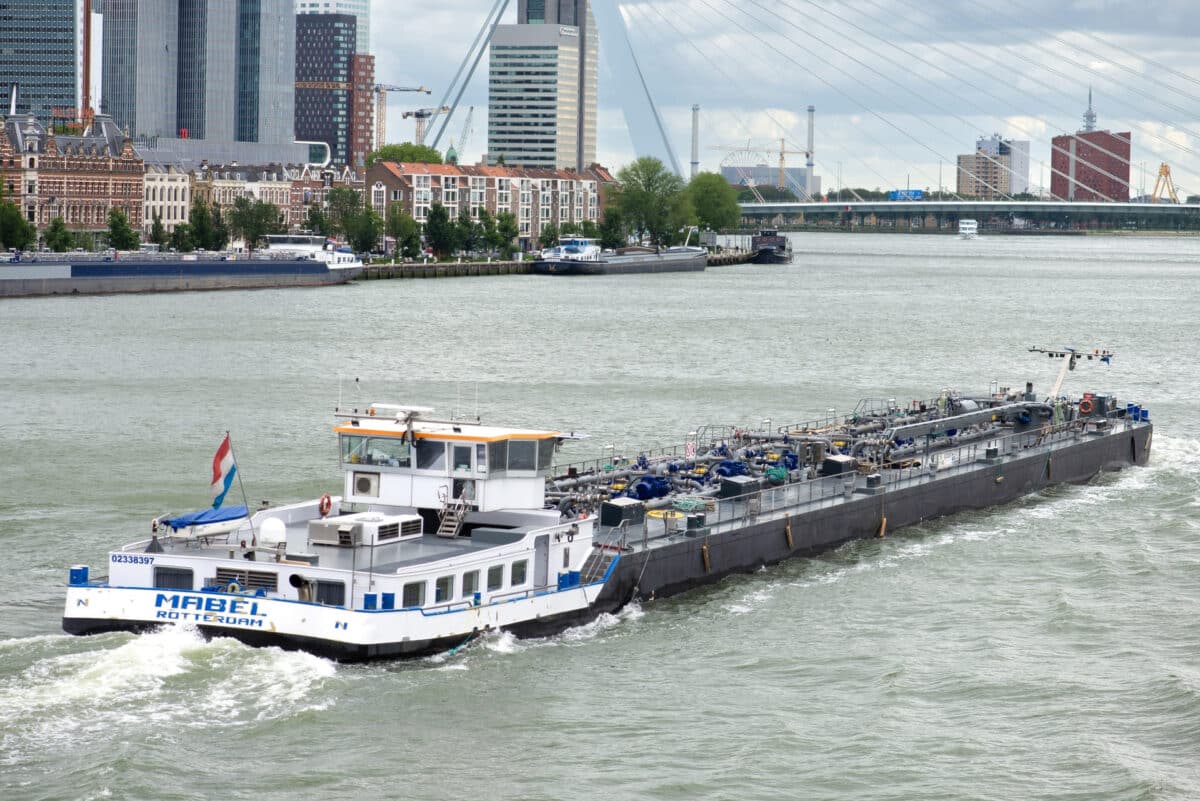
ARA Freight Market: Holiday Liquidity Spike Followed by Abrupt Year-End Standstill


The ARA barge freight market experienced a brief but intense burst of activity at the start of the Christmas week, followed by an almost complete collapse in liquidity as the holiday period took hold. While demand peaked sharply on Monday as charterers finalized year-end programs, the momentum proved short-lived. By Christmas Eve, the market was effectively closed, with minimal spot activity and freight rates stabilizing after midweek softness.


1. Freight Rates: Early Support Gives Way to Broad Softening

  • 22 December: The market opened with strong upward pressure on activity, driven by a surge in demand for middle distillates. Freight rates for light ends increased, while middle distillates remained broadly stable, reflecting a tight balance between strong demand and already well-booked fleets. The day marked the highest trading volume of the year, underlining the urgency to secure barges before the holidays
  • 23 December: The tone shifted noticeably. Trading activity dropped sharply as the pre-holiday rush faded, and freight rates moved lower across nearly all routes. Despite fewer barges being available for prompt loading, the absence of fresh demand led to downward pressure on both middle distillates and light ends.
  • 24 December: Christmas Eve trading was extremely limited, with only a handful of residual fixtures concluded. Freight rates remained unchanged, effectively locking in the weaker levels established the day before. Market sentiment was calm but inert, with both charterers and operators stepping away from the spot market.

Takeaway: The week followed a classic year-end pattern: an early surge driven by urgency, followed by rapid disengagement and rate stabilization.


2. Spot Activity: One Final Surge Before the Market Shuts Down

Trading activity was a defining feature of the week:

  • Activity peaked dramatically on 22 December, as charterers completed last outstanding movements and renominated delayed barges.
  • By 23 December, volumes had fallen sharply as most market participants declared themselves covered.
  • On 24 December, spot trading dropped to near-minimum levels, reflecting a market that was operationally open but commercially inactive.

Takeaway: This sharp volume contraction underscores how brief increases in demand, rather than structural demand drove late-December activity.


3. Product Trends: Distillates Lead, Light Ends Fade

  • Middle distillates dominated activity throughout the period, particularly on 22 December, as fuel-related flows took priority ahead of year-end.
  • Light ends played a secondary role, with fewer fixtures and declining freight sentiment once the initial surge passed.
  • By Christmas Eve, neither product group showed meaningful momentum, confirming the market’s seasonal pause.

4. Operational Context: Well-Booked Fleets, But No Pricing Power

Operationally, the market displayed an unusual combination:

  • Fleets were largely booked due to the intense activity earlier in the week.
  • Yet, despite reduced prompt availability, freight rates softened, as demand evaporated faster than supply tightened.
  • Many remaining deals were concluded on lump-sum or PJK B/L basis, limiting their influence on published freight levels.

Takeaway: This dynamic highlights how demand timing, not vessel scarcity, dictated pricing.


Conclusion

The ARA barge freight market during 22–24 December encapsulated the transition from year-end urgency to holiday standstill. An exceptional surge in activity at the start of the week, driven by last-minute chartering and widespread renominations, briefly supported freight sentiment, particularly for light ends. However, once these requirements were covered, demand fell away abruptly, pulling freight rates lower and freezing market activity by Christmas Eve. The period closed with fleets largely positioned, prices stabilized, and the ARA market firmly entering its seasonal holiday pause, leaving any meaningful directional movement to early January.

What’s next?

Are you ready to face your challenges head-on?

We now offer a FREE customized trial to our BargeINSIGHTS tool, an all-in-one platform for liquid bulk barge transport optimization.

With BargeINSIGHTS, you get instant insights into barge freight rates, bunker gas oil prices, water levels, vessel tracking, and barge availability—all in one place. No more time-consuming data collection; everything you need is at your fingertips.

Click here to schedule your demo and get access to BargeINSIGHTS for free!
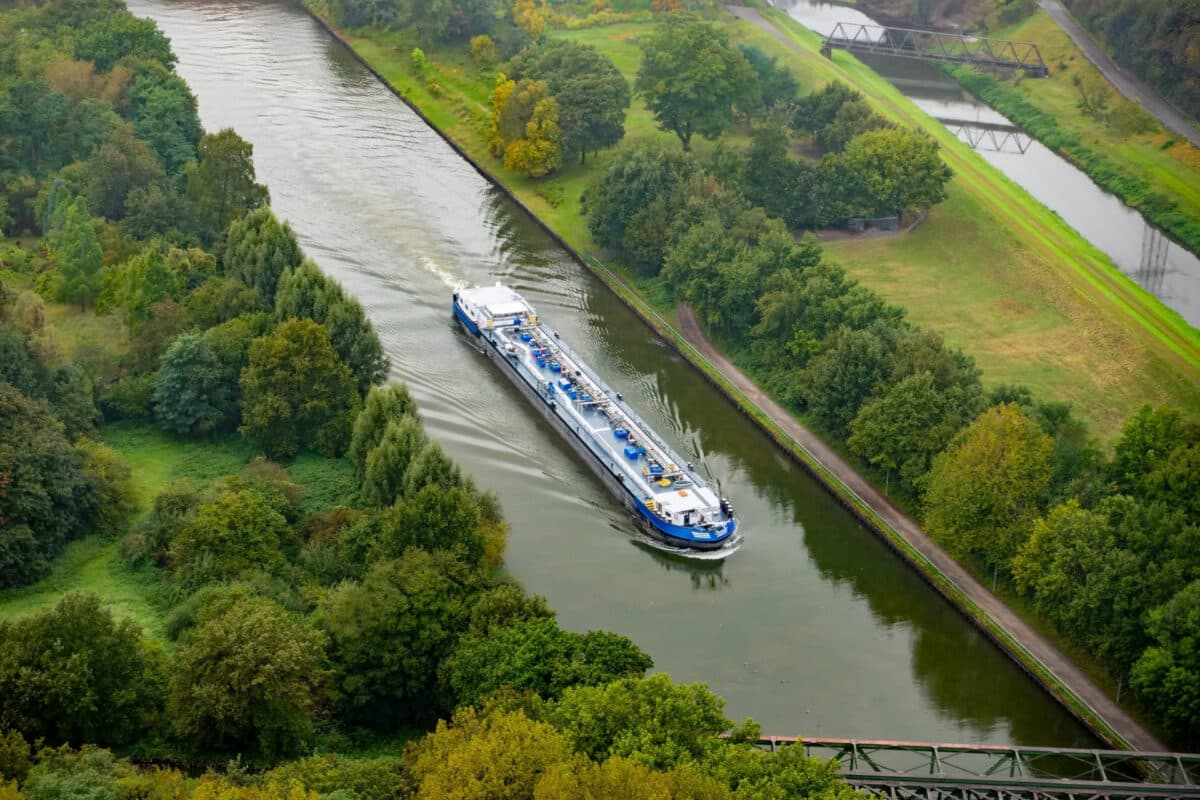
Rhine Freight Market: Holiday Slowdown Meets Falling Water Levels


The final trading days before Christmas brought a distinctly mixed tone to the Rhine barge market. While overall activity slowed sharply as most chartering programs for 2025 concluded, declining water levels reintroduced upward pressure on freight rates, particularly for Upper Rhine destinations. The result was a quiet but structurally firmer market, driven more by logistical constraints than by demand.


1. Freight Rates: Limited Activity, Selective Firming

  • 22 December: The week opened with renewed upward pressure on Upper Rhine routes. Falling water levels reduced effective intake volumes, prompting higher-priced fixtures for prompt business and even stronger discussions for early January loadings. Despite this, overall sentiment was mixed, as some participants described the day as calm due to the approaching holidays.
  • 23 December: Activity dropped sharply, with only a handful of deals concluded. Nevertheless, freight rates edged higher again on several Upper Rhine destinations, as operators adjusted pricing to reflect further intake restrictions. Lower Rhine routes remained broadly unchanged, highlighting a clear upper and lower Rhine divide.
  • 24 December: Christmas Eve trading was extremely limited. With many desks unattended, market participants struggled to conclude business. Small rate adjustments were still observed, reflecting ongoing concerns about restricted loading volumes rather than fresh demand. Freight sentiment remained firm upstream despite the lack of liquidity.

Takeaway: Even as trading volumes collapsed ahead of Christmas, freight rates remained supported by hydrological constraints, especially on the Upper Rhine.


2. Water Levels: The Dominant Market Driver

Across all three days, falling water levels were the central theme:

  • Kaub levels declined steadily, moving toward ranges that significantly restrict 110-meter barge intakes.
  • Maxau levels also trended lower, reinforcing planning uncertainty for Upper Rhine voyages.
  • Forecasts offered little immediate relief, meaning reduced intake volumes were expected to persist into the post-holiday period.

Takeaway: This hydrological backdrop explains why freight rates could firm even as spot demand evaporated.


3. Market Activity: Minimal as Year-End Fixing Concludes

  • By 22 December, many charterers had already covered their remaining 2025 requirements.
  • On 23 and 24 December, activity fell to near-minimum levels, with only a few residual fixtures concluded.
  • Operators actively sought additional employment, but weak demand limited opportunities.

Takeaway: In effect, the market was functionally closed yet still reacting to structural constraints.


4. Operational Context: Planning Challenges Overrule Demand

Operationally, the market faced several compounding issues:

  • Weekend and pre-holiday delays in ARA earlier in the week continued to affect vessel positioning.
  • Falling water levels complicated intake planning and scheduling.
  • Holiday closures at inland depots further reduced flexibility.

Takeaway: As a result, freight movements reflected ongoing contractual trips, not short-term spot business.


Conclusion

The Rhine barge freight market during 22–24 December demonstrated how logistics, rather than demand, can dictate pricing dynamics. While trading activity fell to seasonal lows as the holidays approached, declining water levels tightened effective supply and supported firmer freight sentiment on Upper Rhine routes. With intake restrictions expected to persist and early January business already being discussed at higher levels, the market closed the year quiet but structurally tight upstream underscoring that even during the holiday lull, hydrology remains a decisive force in Rhine freight markets.

What’s next?

Are you ready to face your challenges head-on?

We now offer a FREE customized trial to our BargeINSIGHTS tool, an all-in-one platform for liquid bulk barge transport optimization.

With BargeINSIGHTS, you get instant insights into barge freight rates, bunker gas oil prices, water levels, vessel tracking, and barge availability—all in one place. No more time-consuming data collection; everything you need is at your fingertips.

Click here to schedule your demo and get access to BargeINSIGHTS for free!
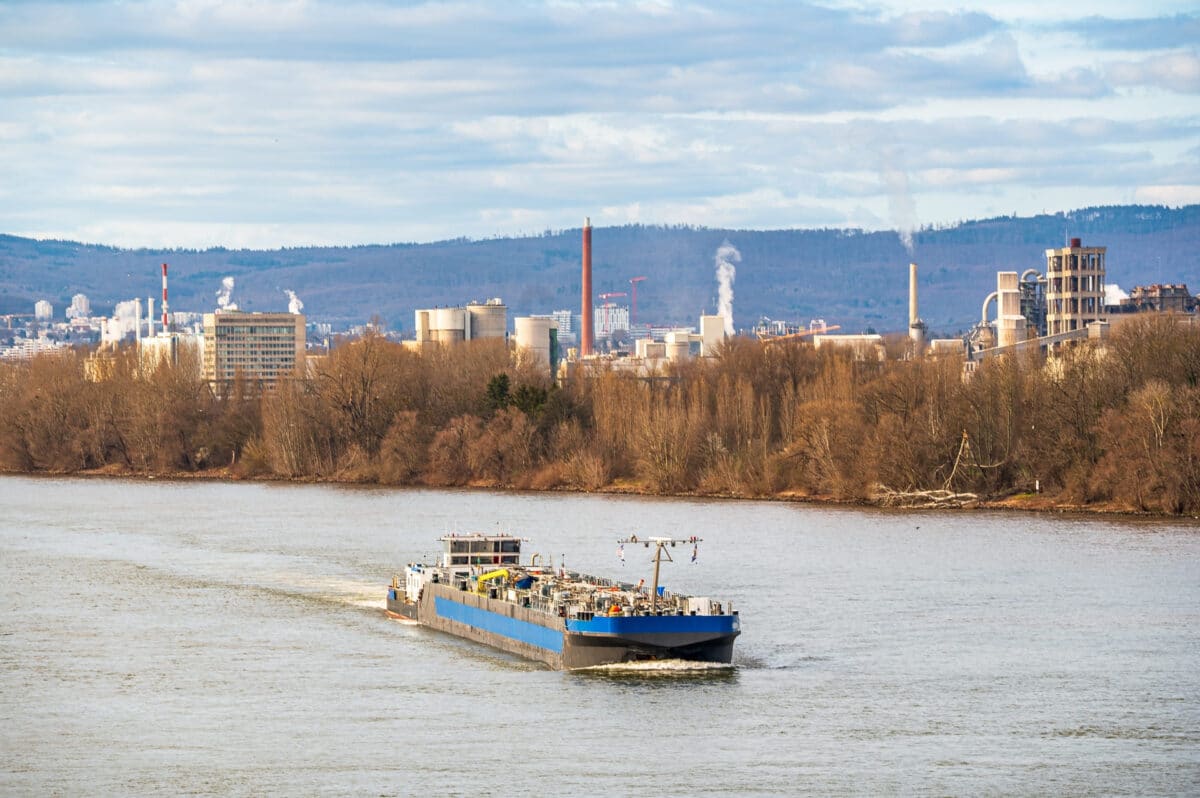
ARA Freight Market: Pre-Holiday Tightness Drives Volumes, Rates Remain Volatile


The ARA barge freight market in the week of 15–19 December shifted noticeably compared with earlier December. While overall December sentiment has been soft, this particular week was defined by pre-holiday urgency, strong spot volumes, and rapidly changing barge availability. Freight rates moved in both directions during the week: early softness gave way to midweek tightening, particularly for middle distillates, before easing again on Friday as pricing resistance emerged.


1. Freight Rates: Volatile Week With Midweek Support for Distillates

  • 15 December: The week started calmly. Middle distillate rates remained stable, while light ends increased, supported by higher-priced deals and limited prompt availability for that segment. Operational delays at Sea-Tank Antwerp and EVOS Amsterdam continued to complicate scheduling.
  • 16 December: Despite a surge in activity, middle distillate rates decreased slightly, as many deals were closed just below prior levels. Light ends were mostly stable, with a large share of business done on PJK B/L or lump-sum basis.
  • 17 December: A clear tightening emerged. Middle distillate rates increased across several routes, as barge availability tightened sharply and operators reported rejecting new requests. Light ends stayed broadly unchanged.
  • 18 December: Light-end rates strengthened, while middle distillates held steady. Operators highlighted full fleets through mid-next week and increasing difficulty securing open tonnage ahead of the holidays.
  • 19 December: The week ended with middle distillate rates easing, while light ends remained stable. Although volumes stayed high, some resistance to further rate increases emerged, particularly on Rotterdam–Amsterdam and Antwerp–Amsterdam routes.

Takeaway: Freight rates showed two-way volatility: midweek tightening driven by barge scarcity, followed by slight easing once pricing resistance appeared.


2. Spot Volumes: Consistently High on Pre-Holiday Urgency

Trading activity was a defining feature of the week:

  • 15 December: 61 ktons, a normal start, with much of the day spent renominating delayed barges.
  • 16 December: 133 ktons, one of the highest volumes of the year, as charterers rushed to move product before Christmas.
  • 17 December: 106 ktons, activity remained elevated, with strong demand for prompt positions.
  • 18 December: 77 ktons, a slight dip, but still an active session by December standards.
  • 19 December: 110 ktons, a strong finish as charterers secured last available barges ahead of the weekend.

Takeaway: Average daily volume exceeded 90 ktons, more than double early-December levels, highlighting significant pre-holiday front-loading.


3. Product Trends: Distillates Lead the Rush

Middle Distillates

  • Dominated volumes on 16 and 19 December.
  • Benefited most from tightening barge availability midweek.
  • Rates rose briefly on 17 December before easing again on Friday as deals cleared at slightly lower levels.

Light Ends

  • Activity was more uneven.
  • Rates increased on 15 and 18 December but lacked sustained momentum.
  • Many light-end deals were closed on PJK B/L or lump-sum basis, limiting their impact on published freight rates.

Takeaway: Middle distillates were the primary driver of market tightness; light ends played a secondary, opportunistic role.


4. Operational Conditions: Barge Availability Tightens, Then Normalizes

  • Early week: Delays at Sea-Tank 300 and EVOS Amsterdam East/West forced renominations and reduced prompt availability.
  • Midweek: Operators reported very few empty barges, with several rejecting new enquiries due to full schedules (16–17 December).
  • End of week: Availability remained tight, but pricing resistance emerged as charterers completed holiday coverage and operators looked ahead to quieter year-end days.

Takeaway: Logistical tightness was real but temporary—driven by timing rather than structural shortage.


4. Operational Conditions: Barge Availability Tightens, Then Normalizes

Looking beyond 19 December:

  • Freight rates might soften again once holiday coverage is complete.
  • Spot volumes are likely to fall sharply in the final weeks of December.
  • Any renewed tightness would depend on unexpected operational disruptions rather than demand.


Conclusion

The ARA barge freight market in the week of 8–12 December remained fundamentally soft, despite ending with a striking rebound in spot volumes. For most of the week, excess barge availability and muted demand pushed freight rates lower across both product groups, with ICE expiry reinforcing insignificant effect on the spot market. The late-week surge reflected positioning ahead of the holidays and operators’ desire to avoid idle tonnage, rather than a structural improvement in demand. While light ends briefly outperformed and narrowed the pricing gap with middle distillates, the broader picture remains one of oversupply, fragile sentiment, and short-lived bursts of activity as the market moves deeper into the year-end slowdown.

What’s next?

Are you ready to face your challenges head-on?

We now offer a FREE customized trial to our BargeINSIGHTS tool, an all-in-one platform for liquid bulk barge transport optimization.

With BargeINSIGHTS, you get instant insights into barge freight rates, bunker gas oil prices, water levels, vessel tracking, and barge availability—all in one place. No more time-consuming data collection; everything you need is at your fingertips.

Click here to schedule your demo and get access to BargeINSIGHTS for free!

Rhine Freight Market: Falling Water Levels Trigger Late-Week Rate Firming Ahead of the Holidays


The Rhine barge market experienced a notable shift in tone during the week of 15–19 December, transitioning from a relatively calm start into a firmer environment toward the end of the period. While overall activity fluctuated, the defining theme was declining water levels, which progressively restricted barge intakes on Upper Rhine routes and reintroduced logistical pressure into an otherwise seasonally soft market.

As charterers and barge operators moved to finalize positions ahead of the Christmas period, freight rates on Upper Rhine destinations moved upward, contrasting with the more stable conditions seen on the Lower Rhine.


1. Freight Rates: Upper Rhine Firms as Intakes Tighten

  • Early week (15 December): Freight rates remained largely stable, despite relatively active trading at the start of the week. Delays at several loading locations reduced immediate barge availability, but pricing stayed broadly in line with prior fixtures as market participants assessed water level forecasts.
  • Midweek (16–17 December): As water levels continued to fall, Upper Rhine routes began to firm, reflecting reduced intake possibilities and growing uncertainty around loadable volumes. This tightening effect was most pronounced on longer-haul destinations, while Lower Rhine routes remained unchanged.
  • End of week (18–19 December): Freight rates on Upper Rhine destinations strengthened further, supported by a combination of restricted barge intakes, lingering pre-holiday demand, and charterers seeking to secure prompt tonnage before year-end.
  • Lower Rhine routes, by contrast, stayed broadly stable, since the decreasing water levels do not affect these destinations.

Takeaway: The week ended with a two-speed Rhine market: firmer pricing upstream, stability downstream.


2. Water Levels: The Dominant Market Driver

Water levels declined steadily throughout the week, becoming the primary catalyst for market movement:

  • Falling levels limited the loadable capacity of barges heading toward the Upper Rhine.
  • Operators increasingly reduced intakes to manage draft restrictions.
  • Forecasts offered little prospect of near-term recovery, reinforcing caution in scheduling.

Takeaway: Unlike earlier December periods, where water levels were supportive, this week marked a clear return of hydrology-driven pricing dynamics, particularly upstream.


3. Market Activity: Uneven but Timed Around Year-End Needs

Spot activity varied notably day-to-day:

  • The week opened with relatively strong engagement, as charterers looked to move volumes before the holiday slowdown.
  • Activity softened midweek, as some demand was absorbed and others waited for clearer visibility on river conditions.
  • The market closed on a stronger note, with renewed fixing interest linked to holiday positioning and tightening logistics.

Takeaway: Importantly, while demand was present, it was not uniformly felt across the market, with some operators reporting full schedules and others experiencing quieter books.


4. Operational Context: Fewer Barges, Tighter Planning

Operationally, the Rhine market remained orderly:

  • No major new terminal disruptions were reported.
  • Earlier loading delays continued to affect vessel positioning.
  • Declining water levels became the main planning constraint, forcing both charterers and operators to adjust expectations on cargo size and routing.

Takeaway: As a result, pricing increases were logistics-driven rather than demand-led, a key distinction for interpreting the late-week firmness.


Conclusion

The Rhine barge market during 15–19 December illustrated how quickly conditions can shift when hydrology becomes restrictive. After a stable start, falling water levels introduced intake limitations on Upper Rhine routes, prompting a clear firming in freight rates as the week progressed. While overall demand remained uneven and seasonally influenced, year-end positioning and logistical constraints combined to support higher pricing upstream, even as Lower Rhine routes stayed flat. With water levels forecast to remain under pressure and holiday scheduling nearing completion, the market closed the week firmer, but driven by operational realities rather than a structural demand rebound.

What’s next?

Are you ready to face your challenges head-on?

We now offer a FREE customized trial to our BargeINSIGHTS tool, an all-in-one platform for liquid bulk barge transport optimization.

With BargeINSIGHTS, you get instant insights into barge freight rates, bunker gas oil prices, water levels, vessel tracking, and barge availability—all in one place. No more time-consuming data collection; everything you need is at your fingertips.

Click here to schedule your demo and get access to BargeINSIGHTS for free!
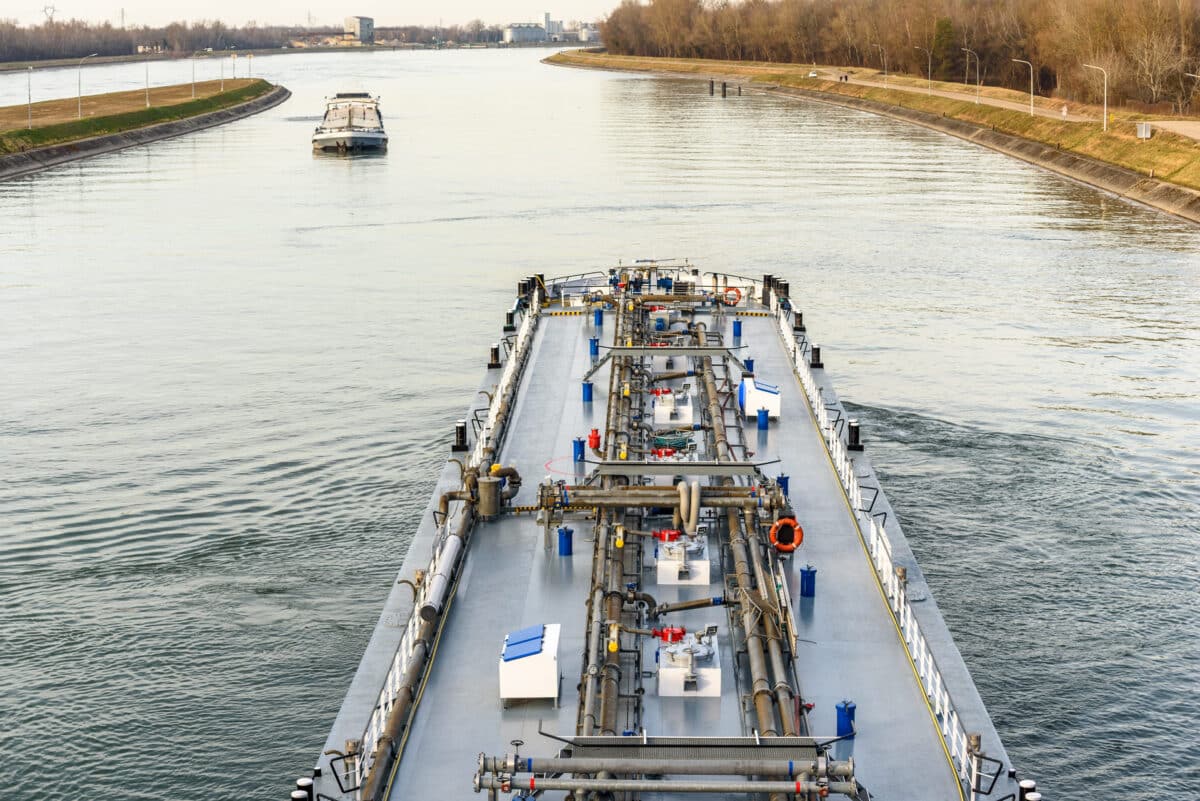
ARA Freight Market: Weak Start, ICE-Driven Pressure, and a Late-Week Volume Surge


The ARA barge freight market during 8–12 December was characterised by a calm start, persistent downward pressure on freight rates, and a sharp rebound in activity at the end of the week. While demand remained structurally weak for most of the period, leaving many barges idle, the week closed with the highest traded volume since September, as both operators and charterers moved to secure positions ahead of the holiday slowdown and the ICE gasoil expiry.


1. Freight Rates: Steady Declines Across All Routes

  • 8 December: The week opened quietly, with middle distillate rates edging lower across nearly all routes, while light ends remained broadly unchanged. Operators reported underwhelming demand and empty barges lingering in ARA, keeping pressure on pricing.
  • 9 December: Activity improved, but middle distillate freight softened further, while light ends stayed flat. Despite higher volumes, operators stressed that demand was still insufficient to absorb excess barge supply.
  • 10 December: The market cooled again. Light ends declined across all routes, while middle distillates remained steady. For the first time in two weeks, light-end volumes exceeded distillates, reflecting shifting demand patterns rather than genuine tightening.
  • 11 December: With the ICE gasoil contract expiring, spot activity dropped sharply and freight rates declined almost universally. Operators highlighted intense competition among empty barges and very limited prompt demand.
  • 12 December: The week ended with a clear change in tone. Light ends strengthened, while middle distillates softened slightly. The pricing gap between the two product groups narrowed as charterers rushed to fix volumes ahead of the holidays and operators tried to keep barges employed over the weekend.

Takeaway: Freight rates trended lower overall, but Friday’s session showed that light ends can still rebound quickly when volume spikes and positioning needs dominate.


2. Spot Volumes: From Subdued Trading to the Busiest Day Since September

Spot activity fluctuated dramatically through the week:

  • 8 December: Volumes reached around mid-50 ktons, reflecting a calm but workable start to the week.
  • 9 December: Activity strengthened to nearly 85 ktons, although operators noted this did not translate into satisfying all barges due to oversupply.
  • 10 December: Volumes dropped to just under 50 ktons, as trading cooled midweek and uncertainty ahead of ICE expiry set in.
  • 11 December: Activity fell further to around 37 ktons, one of the quietest sessions of the month, with many barges unable to find prompt employment.
  • 12 December: A sharp turnaround, with volumes surging to over 130 ktons, the highest since September. Both charterers and operators accelerated bookings ahead of the holiday period.

Takeaway: The ARA market showed extreme volume volatility, with a weak midweek followed by a powerful end-of-week surge.


3. Product Trends: Light Ends Take the Lead at Week’s End

Middle Distillates

  • Gradual softening from Monday through Thursday, driven by oversupply and lack of urgency.
  • ICE gasoil expiry did not trigger immediate support and instead coincided with lower activity on 11 December.
  • Ended the week slightly weaker despite the volume spike.

Light Ends

  • Stable early in the week, then declined midweek as empty barges accumulated.
  • On 12 December, light ends outperformed distillates in both volume and pricing, benefiting from last-minute positioning and lower product prices stimulating movements.

Takeaway: Light ends regained relative strength at the end of the week, temporarily narrowing the gap with middle distillates.


4. Operational Context: Oversupply Persists Despite High Activity

  • Throughout the week, operators consistently reported empty barges in ARA, even on days with stronger volumes (8, 9, and 12 December).
  • Delays at specific terminals (Seatank and EVOS Amsterdam) were mentioned early in the week but gradually eased and did not materially tighten supply.
  • On Friday, many operators accepted lower or flat pricing simply to keep barges employed over the weekend and into the following week.

Takeaway: Operationally, the market remained long on tonnage, limiting the sustainability of any late-week strength.


Conclusion

The ARA barge freight market in the week of 8–12 December remained fundamentally soft, despite ending with a striking rebound in spot volumes. For most of the week, excess barge availability and muted demand pushed freight rates lower across both product groups, with ICE expiry reinforcing insignificant effect on the spot market. The late-week surge reflected positioning ahead of the holidays and operators’ desire to avoid idle tonnage, rather than a structural improvement in demand. While light ends briefly outperformed and narrowed the pricing gap with middle distillates, the broader picture remains one of oversupply, fragile sentiment, and short-lived bursts of activity as the market moves deeper into the year-end slowdown.

What’s next?

Are you ready to face your challenges head-on?

We now offer a FREE customized trial to our BargeINSIGHTS tool, an all-in-one platform for liquid bulk barge transport optimization.

With BargeINSIGHTS, you get instant insights into barge freight rates, bunker gas oil prices, water levels, vessel tracking, and barge availability—all in one place. No more time-consuming data collection; everything you need is at your fingertips.

Click here to schedule your demo and get access to BargeINSIGHTS for free!
Rhine Freight Market: Flat Rates Persist as Charterers Remain Cautious


The Rhine barge freight market in the week of 8–12 December remained stable but subdued, with freight rates largely unchanged and spot activity fluctuating at modest levels. Despite occasional pick-ups in activity toward the end of the week, charterers showed little urgency to secure prompt tonnage, while ample water levels allowed full barge intakes and prevented any tightening in logistics.


1. Freight Rates: Minimal Movement Throughout the Week

Freight rates across the Rhine corridor stayed mostly unchanged, with only isolated downward adjustments on Upper Rhine routes midweek:

  • 8–9 December: All routes held fully stable, as limited spot interest and sufficient barge availability kept prices anchored at previous levels.
  • 10 December: A small downtick was recorded for Cologne, Frankfurt, and Karlsruhe, while other destinations remained unchanged. Operators cited strong competition among barges and lack of prompt demand.
  • 11 December: Rates for Karlsruhe and Strasbourg slipped further, while Lower Rhine destinations remained stable. ICE gasoil expiry and lower product prices weighed on sentiment.
  • 12 December: All routes ended the week unchanged, confirming a flat closing session despite slightly improved activity.

Takeaway: Freight rates remained broadly flat, with only brief, modest softening on Upper Rhine routes that failed to gain momentum.


2. Water Levels: Ample Depth Supports Full Intakes

Water levels across the Rhine were consistently high enough to allow full loading capacity:

  • Maxau peaked near 590 cm early in the week before gradually easing toward 480–520 cm, still well above restriction thresholds.
  • Kaub ranged between 194 and 281 cm, with forecasts pointing to stable or rising levels, enabling full intakes for all destinations.
  • Other pegels such as Cologne and Ruhrort also remained comfortably navigable..

Takeaway: Hydrological conditions removed any upward pressure on freight rates.


3. Market Activity: Uneven but Generally Modest

Spot market activity varied day to day:

  • 8 December: Only three deals, as operators first dealt with weekend delays and charterers delayed new bookings.
  • 9–10 December: Activity improved slightly, with six deals per day, though demand remained described as “calm”.
  • 11 December: Activity slowed again to four deals, coinciding with ICE gasoil expiry and lower product prices.
  • 12 December: The week closed with six deals, as some barges were fixed for the coming week.

Takeaway: Trading remained patchy and insufficient to move the market directionally as it remained mostly stable.


4. Market Drivers: Year-End Caution and Limited Incentives

Several recurring themes shaped the week:

  • Charterers remained cautious, often stating they were sufficiently stocked for this year and in no rush to move additional product.
  • ICE gasoil expiry on 11 December had limited effect in the market.
  • High barge competition persisted, particularly for prompt dates, limiting operators’ pricing power.
  • Biofuel-related delays were reported early in the week but eased and did not materially affect freight dynamics.

Takeaway: Structural caution and oversupply outweighed any short-term activity spikes.


Conclusion

Overall, the Rhine barge freight market during 8–12 December remained firmly in a holding pattern. Freight rates stayed largely unchanged, supported neither by demand nor constrained by water levels. While spot activity showed occasional signs of life, particularly toward the end of the week, charterers continued to act cautiously, citing sufficient inventories and little incentive to commit early. With hydrological conditions favourable and barge availability ample, the market closed the week stable but soft, reinforcing expectations of a quiet run-up to the year-end period.

What’s next?

Are you ready to face your challenges head-on?

We now offer a FREE customized trial to our BargeINSIGHTS tool, an all-in-one platform for liquid bulk barge transport optimization.

With BargeINSIGHTS, you get instant insights into barge freight rates, bunker gas oil prices, water levels, vessel tracking, and barge availability—all in one place. No more time-consuming data collection; everything you need is at your fingertips.

Click here to schedule your demo and get access to BargeINSIGHTS for free!
ARA Freight Market: Persistent Softness as Demand Thins and Barges Accumulate


The opening week of December brought another clear step down in ARA barge freight sentiment, with both middle distillates and light ends under pressure. Demand remained modest throughout the period, and by the end of the week, several operators openly reported multiple idle barges, heightening competition and pushing freight levels lower.

The week was defined by low volumes, growing barge oversupply, and an early onset of the traditional December slowdown, as market participants increasingly opted to delay product movements into the new year.


1. Freight Rates: Steady Declines Across All Routes

  • Rates fall as market starts December calmly. Middle distillates recorded declines across nearly every corridor (–€0.02 to –€0.06). Light ends were stable due to very limited activity. Operators reported empty barges and weak appetite from charterers.
  • Demand weakened further, with some operators offering lower prices simply to secure employment. Both distillates and light ends saw broad declines across ARA and Ghent routes. Market sentiment turned notably negative as the holidays approached.
  • Rates dropped across all product groups and all PJK routes for a second consecutive session by the middle of the week. Both middle distillates and light ends fell by roughly €0.02–€0.12 depending on route and product. Operators cited abundant barge availability and soft demand as key drivers.
  • Light ends continued to fall at a steeper pace compared to middle distillates as empty barges accumulated in ARA. Middle distillates also decreased but more gradually. Despite this, total traded volume surged (82 kton), the highest of the week.
  • End-week softening as oversupply becomes obvious. Rates for middle distillates fell another €0.05 across major ARA routes. Light ends decreased again, but less dramatically than earlier in the week. Multiple operators reported barges going idle for the weekend, a sign of mounting supply pressure.

Takeaway: Freight rates weakened throughout the week, with middle distillates drifting steadily downward and light ends experiencing sharp mid-week declines, only stabilizing slightly on Friday.


2. Spot Volumes: Quiet Start, Midweek Uptick, Silent Finish

  • 1 December: 39.5 ktons. Quiet start to the week with limited chartering interest.
  • 2 December: 34.0 ktons. Lower activity, with multiple barges open for prompt loading.
  • 3 December: 50.4 ktons. Slight uptick, but traders remained in no hurry to move product.
  • 4 December: 82.2 ktons. Strongest day of the week, though the tone still felt “calm” to operators.
  • 5 December: 31.2 ktons. Very quiet finish, with some freighters unable to secure weekend work.

Takeaway: Despite a midweek spike, overall liquidity was thin, with the week concluding near monthly lows.


3. Product Trends: Light Ends Under Pressure, Distillates Gradually Easing

Light Ends

  • Experienced consistent downward pressure all week.
  • Weak blending interest, limited export pull, and plentiful empty barges kept this segment the softest in the ARA system.
  • Declines were steepest on 3–4 December.

Middle Distillates

  • Rates dropped more gradually but still trended decisively lower each day.
  • Demand remained modest, and operators often lowered bids to avoid idle time.
  • By 5 December, MD freight had returned to levels last seen in early autumn.

Takeaway: Both product groups softened, but light ends weakened materially faster due to swelling barge supply.


4. Operational Factors: Abundant Barges, Fewer Cargoes

Across the week, several operational themes emerged:

  • Oversupply of barges grew more apparent each day of the week.
  • Traders holding back ahead of the holidays reduced prompt chartering.
  • Operators increasingly accepted lower bids to avoid idle time.
  • Terminal delays were not a major factor this week, logistics were fluid resulting in quick loading and discharging.

Takeaway: Market weakness was driven not by congestion but by insufficient cargoes and too many open barges.


5. Outlook: A Soft December Expected

  • Near-term conditions point toward continued softness, with ample tonnage, thinning year-end demand, and little operational disruption.
  • Freight rates likely to remain soft-to-weaker in the first half of December.
  • Any rebounds would require either a demand pulse (e.g., distillate restocking) or weather-related interruptions—neither of which appeared in the period reviewed.

Conclusion

The ARA barge freight market in the week of 1–5 December continued its gradual slide into a softer winter pattern. Both middle distillates and light ends faced declining freight rates amid low demand, growing barge availability, and a general lack of urgency among charterers. While a midweek rise in traded volumes briefly lifted activity, it did nothing to tighten the underlying supply–demand balance, and by Friday several barges were expected to remain idle over the weekend. The result is a market characterized by persistent freight erosion and structural oversupply, setting a subdued tone as the industry moves deeper into December.

What’s next?

Are you ready to face your challenges head-on?

We now offer a FREE customized trial to our BargeINSIGHTS tool, an all-in-one platform for liquid bulk barge transport optimization.

With BargeINSIGHTS, you get instant insights into barge freight rates, bunker gas oil prices, water levels, vessel tracking, and barge availability—all in one place. No more time-consuming data collection; everything you need is at your fingertips.

Click here to schedule your demo and get access to BargeINSIGHTS for free!
Rhine Freight Market: Stable Rates, Weak Activity, and End-Year Hesitation


The Rhine barge market entered December with flat freight rates, low spot activity, and a general lack of urgency on both the charterer and operator sides. Despite fluctuating water levels, intakes remained high enough across the river system to avoid any logistical pressure. Trading sentiment remained shaped by year-end trading decisions, backwardation in the ICE gasoil contract, and abundant barge availability.


1. Freight Rates: A Fully Flat Week With One Micro-Adjustment

1 December had slight mixed adjustments

  • Basel rose marginally (+€0.53), while Karlsruhe slipped slightly (–€0.25).
  • All other routes remained unchanged.
  • A total of nine deals were concluded as the week opened with stronger activity than the week before.

2 December’s minor, offsetting rate changes

  • Cologne fell (–€0.25), Karlsruhe rose (+€0.25).
  • Other routes held steady.
  • Twelve deals were reported, but operators noted fewer requests overall and suggested shifting tonnage toward ARA if weak demand persisted.

3 December has fully unchanged rates

  • All routes held flat.
  • Six deals, but operators highlighted that some barges were fully booked while others remained available—an uneven supply pattern typical for early December.

4 December remains the same

  • Only two deals, as both charterers and operators had already secured their week’s needs.
  • Water levels were falling at Kaub but rising at Maxau; intakes remained unaffected.

5 December had fully unchanged except Basel (–€0.05)

  • No deals reported, marking an extremely quiet end to the week.
  • Operators reported being covered through mid-next week; charterers relied on COA voyages for remaining requirements.

Takeaway: Aside from tiny, isolated adjustments, Rhine freight rates remained flat for the entire week, reflecting minimal spot activity and balanced but unmotivated market conditions.


2. Water Levels: High, Navigable, and Not Influencing Rates

Across the week, water levels at Kaub and Maxau provided ample depth for full 110m barge intakes:

  • 1 December: Maxau forecast to fall from 526 cm to ~490 cm, Kaub from 236 cm to ~218 cm—still sufficient for 2,000–2,300-ton intakes.
  • 5 December: Maxau 495 → 575 cm, Kaub 210 → 192 cm; still no meaningful intake restrictions.

Takeaway: Hydrology played no supportive role where water remained high, stable, and non-restrictive.


3. Market Activity: Moderate Start, Then a Slide Into Silence

Spot activity eased steadily throughout the week:

  • 1 December: 9 deals, the most active day of the period.
  • 2 December: 12 deals with strong pacing, though operators noted lower enquiry levels than in previous weeks.
  • 3 December: 6 deals as spot interest begins to cool.
  • 4 December: 2 deals as the market slows sharply and both sides declare schedules covered.
  • 5 December: 0 deals, marking a completely inactive session.

Takeaway: The Rhine market moved from mildly active to nearly frozen, typical for early December when traders avoid prompt imports.


4. Market Drivers: Year-End Caution and Backwardation Dominate

  • Gasoil backwardation remains a brake. Backwardation widened slightly on 5 December, discouraging charterers from buying ahead.
  • Uneven but sufficient barge availability. Some barges were fully booked on 3 December, while others were idle around 1–2 December, but overall supply exceeded demand.
  • Low urgency from charterers. Charterers repeatedly stated they had already fixed sufficient barges by 4 December, limiting spot business.
  • End-year budget behavior. Traders avoided new December imports, preferring to shift cargoes into January for inventory reasons.

Takeaway: Market fundamentals offered no catalyst for freight uplift.


Conclusion

The Rhine barge freight market during 1–5 December was characterized by exceptionally low activity, uniformly flat freight rates, and no meaningful shifts in supply–demand balance. High water levels ensured full loading conditions throughout the corridor, but this operational advantage was offset by weak charterer interest and persistent backwardation in gasoil, which discouraged early-month purchasing. After a mildly active start to the week, spot trading collapsed entirely by Friday, leaving most operators covered through mid-next week and several barges sitting idle. With no clear driver for renewed demand, the Rhine market ended the week stalled in a soft, directionless equilibrium.

What’s next?

Are you ready to face your challenges head-on?

We now offer a FREE customized trial to our BargeINSIGHTS tool, an all-in-one platform for liquid bulk barge transport optimization.

With BargeINSIGHTS, you get instant insights into barge freight rates, bunker gas oil prices, water levels, vessel tracking, and barge availability—all in one place. No more time-consuming data collection; everything you need is at your fingertips.

Click here to schedule your demo and get access to BargeINSIGHTS for free!

November 2025: Stabilising Markets, Softer Margins, and First Signs of Forward Curve Shifts


November marked a period of stabilisation in crude and some product markets after several months of heightened volatility. While geopolitical uncertainties remained present, the month was characterised by a modest recovery in crude prices, and subtle but important shifts in forward structures. However, local middle distillate product markets were much more volatile pushed by uncertainty over product availability and both prices and margins were on a rollercoaster, easing at the end of the month. For the ARA hub and global tank terminal operators, November provided a bit clearer signal of where markets may be heading into early 2026, with oversupply risks gradually becoming more visible.


1. Crude Prices Recover Slightly but Remain Under Pressure

Brent crude traded around $63–65/bbl through the month, ending at $63.34. This represented a mild recovery from earlier lows but still placed November on track for a small monthly loss.

Market sentiment was driven by:

  • Hopes surrounding renewed peace negotiations in Ukraine
  • Expectations that the Fed may cut interest rates in December
  • OPEC+ signaling it will pause production increases into Q1 2026 due to concerns about oversupply

Despite these developments, the Brent forward curve remained in backwardation, though spreads narrowed slightly compared to October, a sign that the balance between supply and demand is slowly shifting.

Strategic takeaway: Crude market behavior indicates a more balanced, but still fragile, fundamental landscape. Terminals should prepare for potential changes in cargo origins and destination patterns if oversupply grows in 2026.


2. Forward Curves Show Some Softening, Fuel Oil Moves Closer to Contango

Forward curve data shows notable changes versus previous months:

  • Middle distillate forward curves saw steep declines at the front end as supply concerns eased after negotiations on peace in Ukraine, but not before rising on tighter supplies.
  • RBOB gasoline displayed seasonal contango, typical for winter periods.
  • LSFO swaps moved into a small contango, though still shallow.

These curve shapes confirm that storage arbitrage opportunities remain out of reach, especially for diesel and jet fuel.

Strategic takeaway: Although forward markets remain backwinded, the small contango emerging in fuel oil could be an early signal of structural shifts in 2026. Terminals should monitor this closely for early re-emerging storage demand.


3. Storage Economics: Still Negative, Though Marginally Less Severe

All break-even (BE) storage rates in November remained negative, confirming that storage is still uneconomical. Key BE rates included:

  • Gasoil M1–M3: –€7.36/cbm
  • Kerosene M1–M3: –€7.69/cbm
  • EBOB gasoline M1–M3: –€6.00/cbm
  • LSFO M1–M3: –€1.28/cbm (least negative)

Negative BE values mean that future prices do not cover the cost of storing product, even at theoretical zero storage cost.

Importantly, the trend shows a slight easing in negative values, especially for fuel oil and longer-dated gasoline structures suggesting that the most severe backwardation may have passed.

Strategic takeaway: September and October represented the deepest backwardation of the year. November’s data signals a slow return toward more normalised market conditions, though still far from profitable contango.


4. Product Cracks: Broad Weakness Across the Barrel

Product crack spreads in the ARA region moved sharply lower through after a peak in November:

  • Gasoil cracks: –19.5% week-on-week
  • Diesel cracks: –24.3%
  • Jet-kero cracks: –14.3%
  • Gasoline cracks: down modestly on higher product availability
  • Naphtha: the exception, rising 27% due to petrochemical restocking

Refinery margins weakened but remained workable:

  • Brent cracking margins NWE: ~$13/bbl
  • Hydroskimming margins slipped back into negative territory

These moves reflect a market shifting away from the extreme tightness seen in early autumn, as supply from the US, Middle East and Europe normalised after maintenance cycles.

Strategic takeaway: Lower cracks and stable inventories suggest calmer market conditions for terminals, with more predictable throughput and fewer abrupt flow shifts.


5. Global Oil Stocks: Mild Builds in Several Hubs

Page 11 data shows that global stock trends remained broadly stable, with slight builds in some regions:

  • USGC: Light ends and middle distillates remain within historical ranges; middle distillates trend positive
  • ARA:
    • Light ends: stable around 1.8–1.9 Mcbm, slight downward trend
    • Middle distillates: averaging 3.6 Mcbm, mild negative trend
    • Heavy products: slight build
  • Singapore: Middle distillates declined modestly, heavy stocks grew
  • Fujairah: Stocks increased across the board, driven by resumed refinery output and moderate bunker demand

Strategic takeaway: The soft but steady stock builds, especially in Fujairah and the USGC, show that supply availability is no longer the primary concern. This reinforces why product cracks fell sharply in November.


Conclusion

November marked a clear transition in global oil markets as the extreme tightness seen in early autumn eased and fundamentals began to stabilise. Softer middle distillate cracks, a flattening of forward curves, and slightly improving break-even storage rates all point toward a market gradually moving away from stress and closer to balance. While storage economics remain firmly negative, the trend is less severe than in prior months, and subtle shifts such as the emerging contango in fuel oil suggest that the foundations for potential storage opportunities in 2026 are slowly forming. For tank terminals, the operational focus therefore remains on managing steady throughput rather than contango-driven storage, but November’s developments indicate that the market cycle may be approaching a turning point. Terminals that maintain flexibility and close customer alignment will be best positioned as oversupply risks build and trading strategies evolve in the new year.


What’s next?

Are you ready to face your challenges head-on?

We now offer a FREE customized trial to our BargeINSIGHTS tool, an all-in-one platform for liquid bulk barge transport optimization.

With BargeINSIGHTS, you get instant insights into barge freight rates, bunker gas oil prices, water levels, vessel tracking, and barge availability—all in one place. No more time-consuming data collection; everything you need is at your fingertips.

Click here to schedule your demo and get access to BargeINSIGHTS for free!
ARA Freight Market: Volatile Week Ends Quietly as Rates Drift Lower


The ARA clean petroleum product (CPP) barge market saw a mixed and often contradictory week between 24 and 28 November. While midweek trading surged to one of the highest daily volumes since August, freight rate sentiment nevertheless softened, especially for light ends. Middle distillates briefly gained support midweek but ultimately trended sideways to lower by Friday.

Operational conditions were dominated by persistent terminal delays, intermittent strike disruptions in Belgium, and uneven demand between distillates and light ends, all contributing to a market that was active in pockets yet directionally weak overall.


1. Freight Rates: Firm Start, Softer Middle, Flat Finish

  • Freight rates rose modestly, especially for middle distillates, with ARA Cross Harbor up roughly €0.28, and strong deals on routes such as Flushing–Antwerp and Antwerp–Amsterdam. Light ends remained flat due to very few concluded deals.
  • Rates fell sharply across middle distillates (–€0.08 to –€0.23) and light ends (–€0.03 to –€0.08). Operators noted only minimal impact from the Antwerp strike on inland vessels, and demand was described as “not particularly strong,” especially for light ends.
  • Distillate rates rebounded on most ARA and Ghent routes (+€0.07 to +€0.09), while light-end rates remained unchanged. Some operators reported waiting times depending on sea-going vessel queues, especially prior to Albert Canal reopening.
  • Despite one of the busiest days since August, both distillate and light-end freight rates posted a clear downtick, reflecting sufficient barge availability throughout the region. Operators highlighted plentiful vessels and limited rate support despite heavy trading.
  • A very quiet session with minimal deals, keeping freight rates unchanged across all routes. Only Botlek and Antwerp showed ongoing operational delays; otherwise, no new congestion issues surfaced.

Takeaway: A week marked by up and down flat price patterns ultimately ended with rates lower than where they started, driven by light-end weakness and broad liquidity on the supply side.


2. Spot Volumes: Highly Uneven, With a Big Midweek Spike

  • 24 November: Weakest session of the month with 34.3 ktons, impacted by FAME loading delays in Antwerp and staff strikes slowing operations.
  • 25 November: Activity recovered to 63.1 ktons, supported by interest for early next-week flows.
  • 26 November: A strong day with 72 ktons, helped by improved clarity around delays and canal reopening.
  • 27 November: A major spike to 118 ktons, one of the highest trading days since August, driven by new-month preparations and strong consumer-side demand.
  • 28 November: Activity collapsed to 26.5 ktons, one of the quietest days in months, as charterers retreated ahead of the weekend.

Takeaway: The market’s volume displayed a weak start, strong middle, and abrupt drop at the end, highlighting the instability of underlying demand.


3. Product Trends: Distillates Steady but Light Ends Remain Under Pressure

Middle Distillates

  • Supported by occasional bursts of demand (notably 24, 26, and 27 November).
  • Rate recovery midweek failed to hold through week’s end.
  • Delays in FAME loading/discharging continued to distort capacity planning early in the week.

Light Ends

  • Clear, consistent rate pressure all week, highlighted by minimal deal activity on 24–26 November.
  • There were operators repeatedly reporting “calm” conditions and sufficient supply.
  • Further price declines on 25 and 27 November and more empty LE barges in the system.
  • Short-term upticks were absent, even on high-volume days like 27 November.

Takeaway: Distillates showed resilience, light ends reflected structural oversupply and muted blending demand.


4. Operational Factors: Delays Ease Slowly, Strikes Add Noise

Operational friction remained central but did not escalate:

  • Antwerp strike: Limited impact on inland barges but caused some waiting times for vessels mixed with sea-going vessel queues (25–26 November). There was a minimal disruption by 27 November.
  • Terminal delays: Early-week bottlenecks for FAME (Antwerp, CTB, Vesta Flushing) gradually improved by 26–27 November.
  • Albert Canal closure: Caused temporary rerouting challenges on 26 November before reopening at 18:00.

Takeaway: Although operational issues remained, none were severe enough to meaningfully tighten the market.


5. Market Outlook: Slight Downward Bias into Early December

  • Light ends expected to remain soft, with oversupply and weak blending demand continuing.
  • Distillates likely to remain stable to slightly weaker, as midweek strength appears to have been volume-driven rather than structural.
  • Adequate barge availability and improving terminal fluidity point toward a flat-to-soft market for early December.

Conclusion

The ARA barge market during 24–28 November was defined by high volatility in activity but an overall softening in freight sentiment. Despite a midweek surge in trading, reaching the highest volumes since summer, the increase in demand did not translate into rate support, as the region continued to experience ample barge availability and weak fundamentals, particularly for light ends. Operational disruptions such as strikes and terminal delays created daily noise but did not materially affect market balance. By Friday, freight levels across both distillates and light ends had settled into a stable but slightly lower range, leaving the market heading into December with more supply than demand and limited upward catalysts.

What’s next?

Are you ready to face your challenges head-on?

We now offer a FREE customized trial to our BargeINSIGHTS tool, an all-in-one platform for liquid bulk barge transport optimization.

With BargeINSIGHTS, you get instant insights into barge freight rates, bunker gas oil prices, water levels, vessel tracking, and barge availability—all in one place. No more time-consuming data collection; everything you need is at your fingertips.

Click here to schedule your demo and get access to BargeINSIGHTS for free!